1,126 articles · 35,214 footnotes · 449 works consulted
Made by Emre-E. Yavuz
Your entry point to Turkic history
An encyclopedia of the ancient and medieval Turkic peoples, their culture and their neighbours, from the Xiongnu to the Göktürks and from the Uyghurs to the Khazars. Its articles cite the sources they rest on. The Atlas grows with regular updates and stays free forever.
Start here
Not sure where to begin? Take the first reading path, or read one of these two articles.
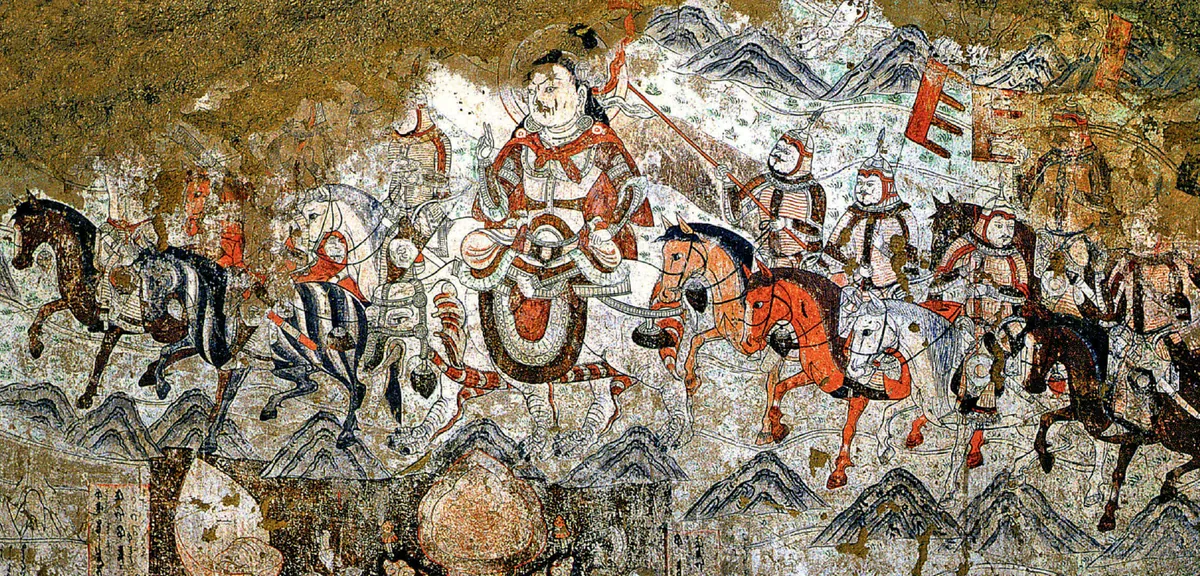
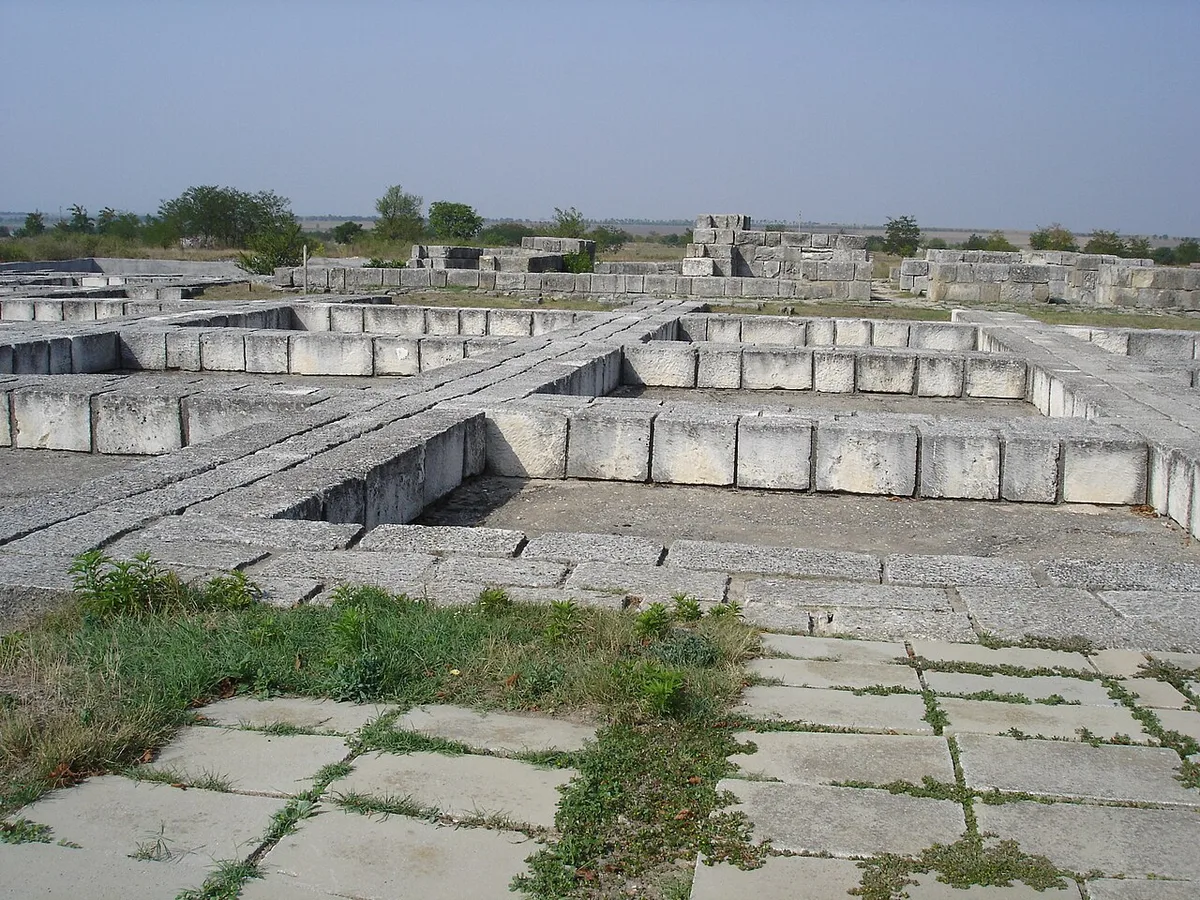
End of the Khazar state as a power. In 965 the Rus of Kiev, with Oghuz allies, overran Atil and probably Sarkel. The end of the khaganate is usually set in 969, and the causes are debated.
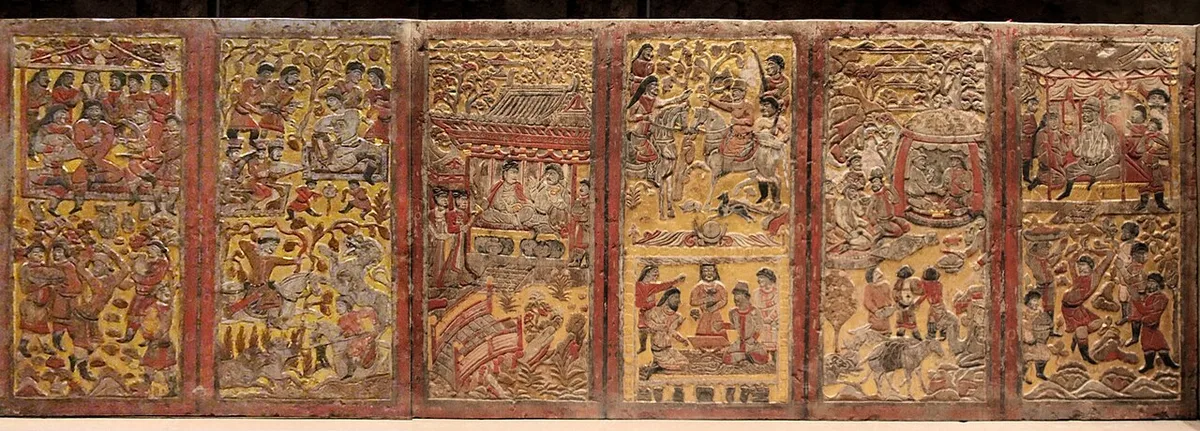
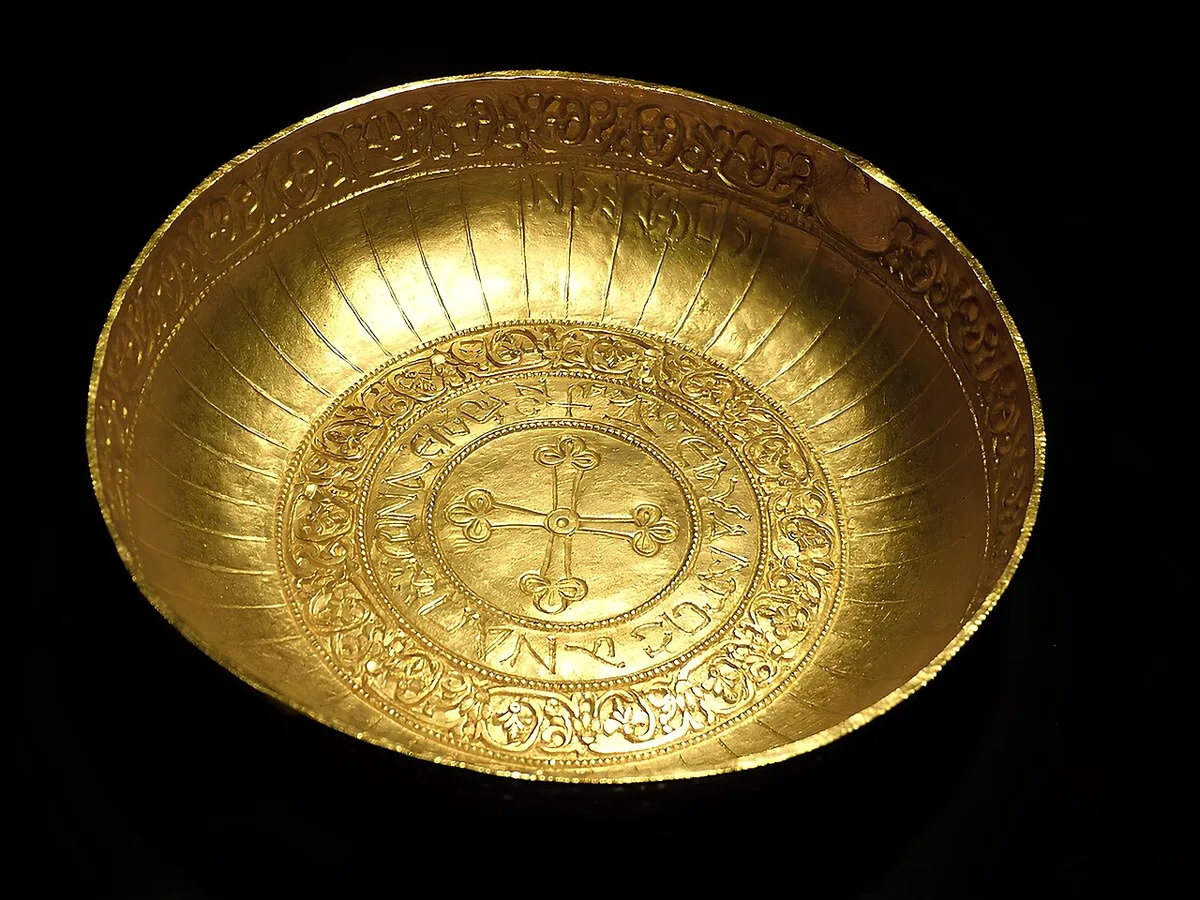
Anonymous Hebrew letter of the tenth century from the Cairo Genizah, by a Khazar Jew. It tells the conversion differently and reports a war with the Rus and Byzantium. Its reliability is disputed.
No prior knowledge needed. Six paths tell the story in order, each step with a map or a picture and three things to remember. After the first, here are the next three.
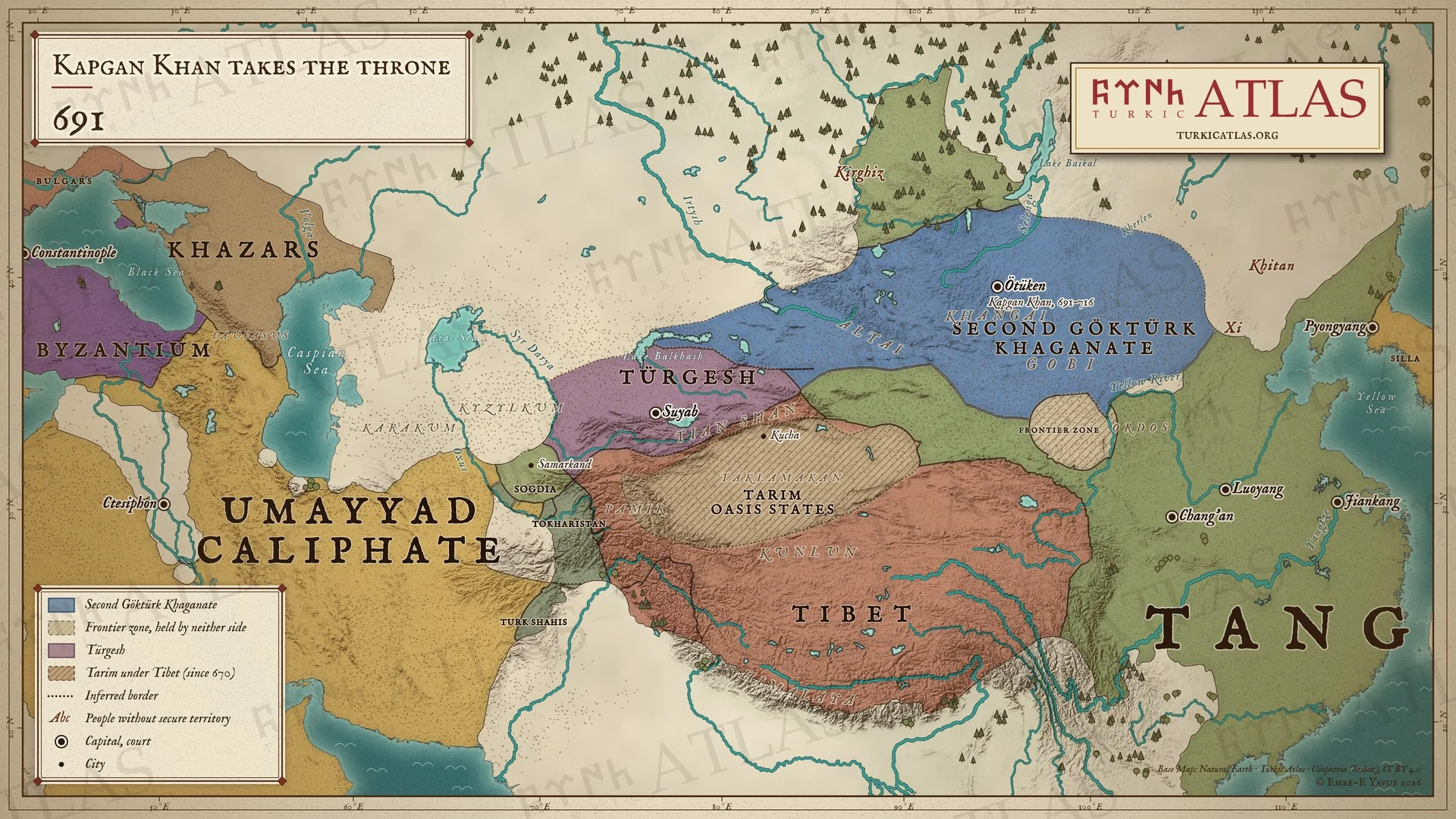
The realms of the eastern steppe from the Rouran to the Kirghiz on the first lane; below them the western Göktürks, the Türgesh and the Karluks, and the Khazars on the third lane; every band, and every name in the line beneath, opens the realm's article. A band opens the realm; the year pages set the steppe, China, Persia and Byzantium side by side. Begin with 552 →
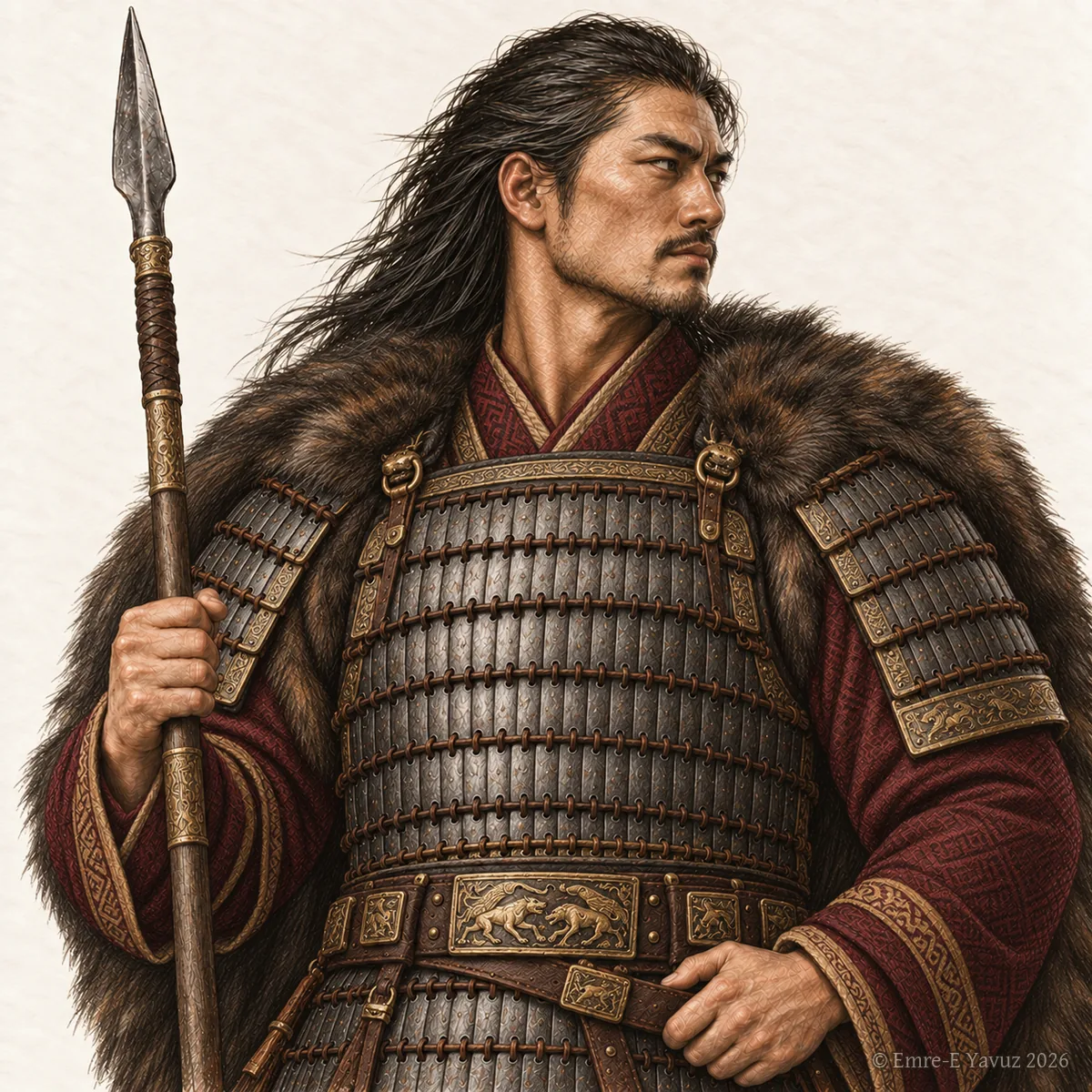
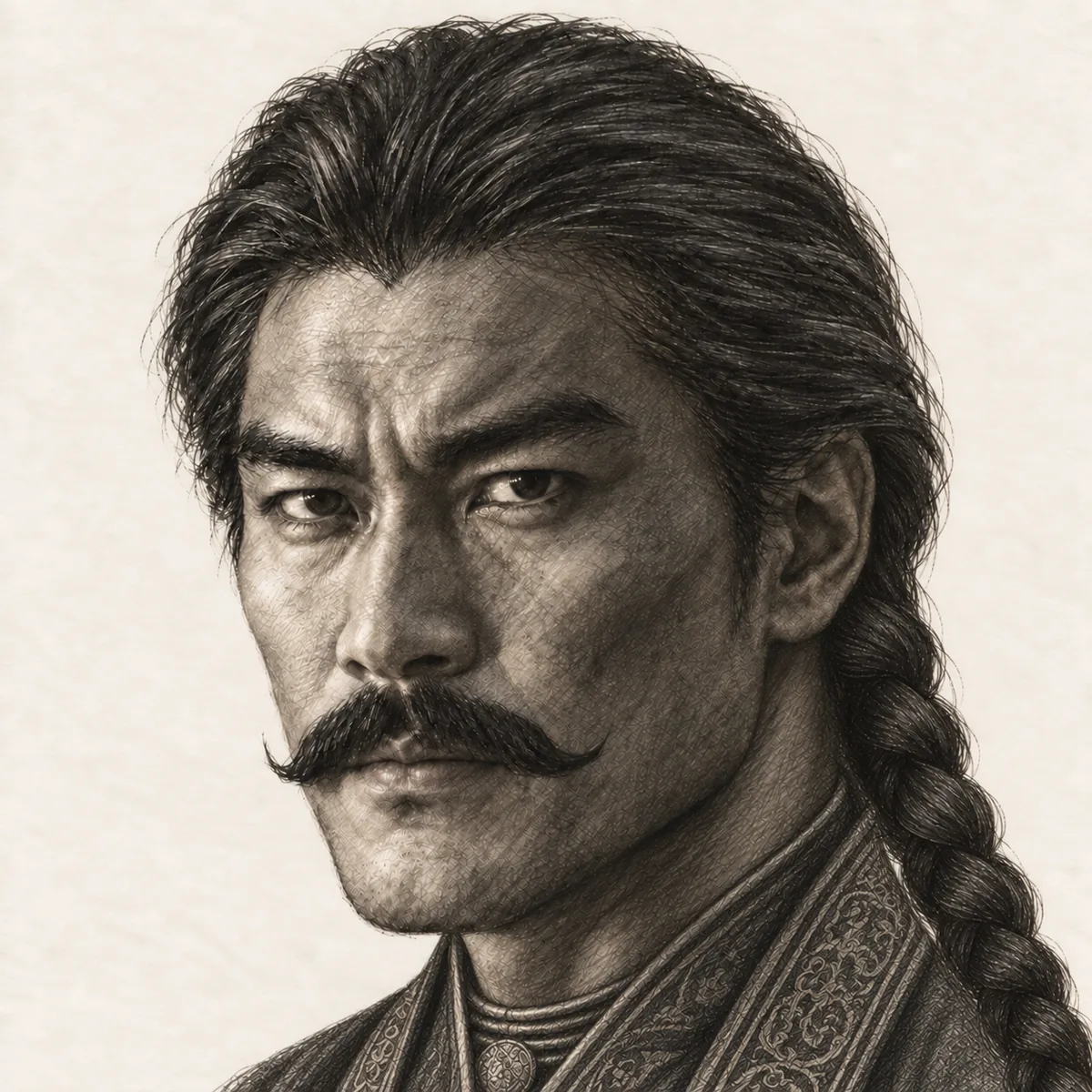
Bumin was a member of the Turkic Ashina clan, and he became the leader who broke the subjection of his people to the Rouran Khaganate. In 552 he assumed the title of khan over a new realm in the eastern steppe. He died within months of that victory. The sources therefore preserve almost entirely the record of the decade before it: a raid into Chinese territory, an embassy from the Western Wei, an unlikely victory over the Tiele, a refused marriage with the Rouran and, finally, the Göktürk War of Independence.
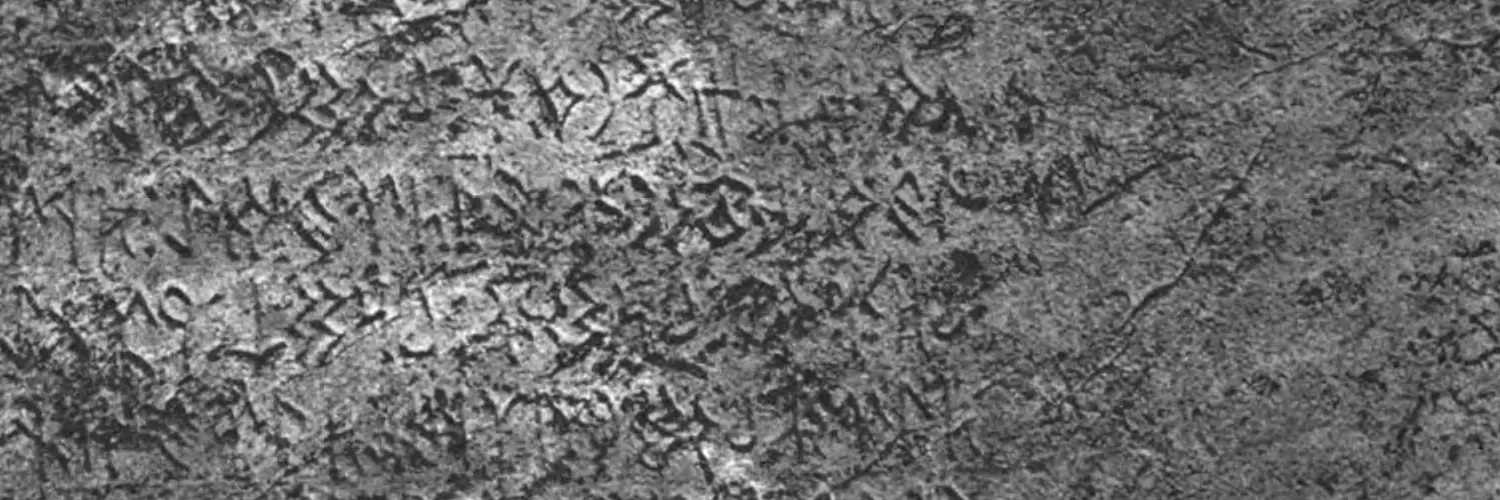
The sources are accordingly one-sided. Almost everything known about him comes from the perspective of states that had an interest in portraying him and his people as hostile barbarians. Even so, several Old Turkic sources name him. The Kül Tegin and Bilge Khan inscriptions in the Orkhon valley, written nearly two centuries later, open their historical part with Bumin and his younger brother Istemi as the first rulers of the Göktürks. They give Istemi the same title as Bumin. There the two are honoured as the men whom Tengri, the god of the Göktürks, set up to free the Ashina clan from foreign rule and, with it, to bring freedom to the Göktürks of the Altai.
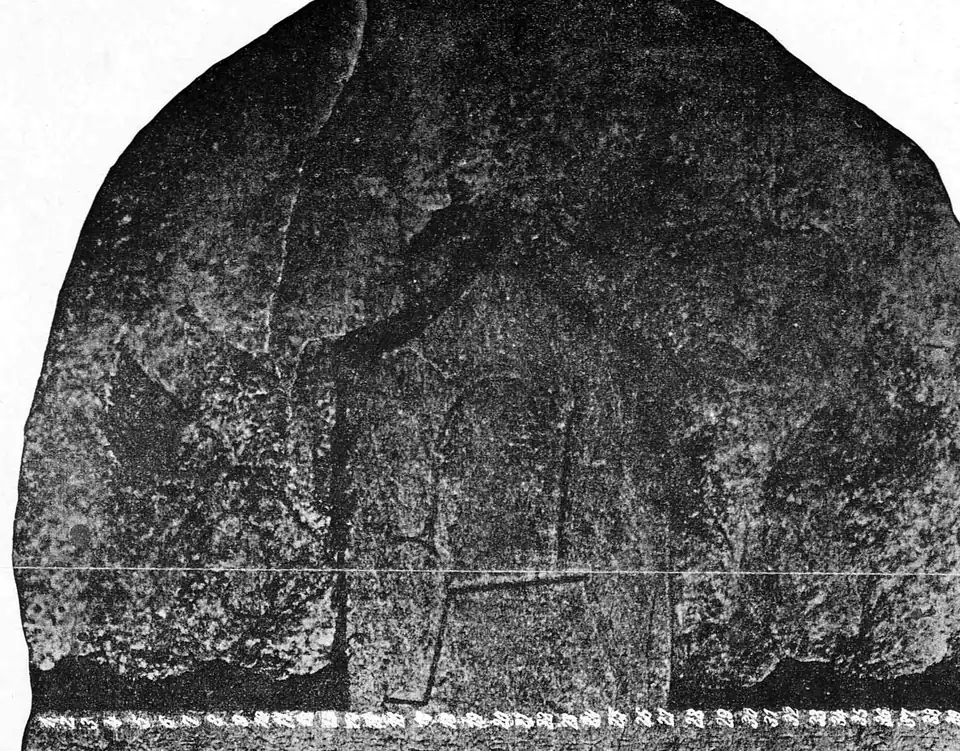
A good twenty years after the Orkhon stones, Bumin's name stands on stone once more, in the Tariat inscription of the Uyghur Khaganate. The Uyghurs had overthrown the Göktürks in 744. The stone opens with the earlier rulers of the steppe, and Bumin is among them. The founder of the Uyghur order began his own stone with the founder of the Göktürk order. This may be a claim to succession and not a claim of conquest.
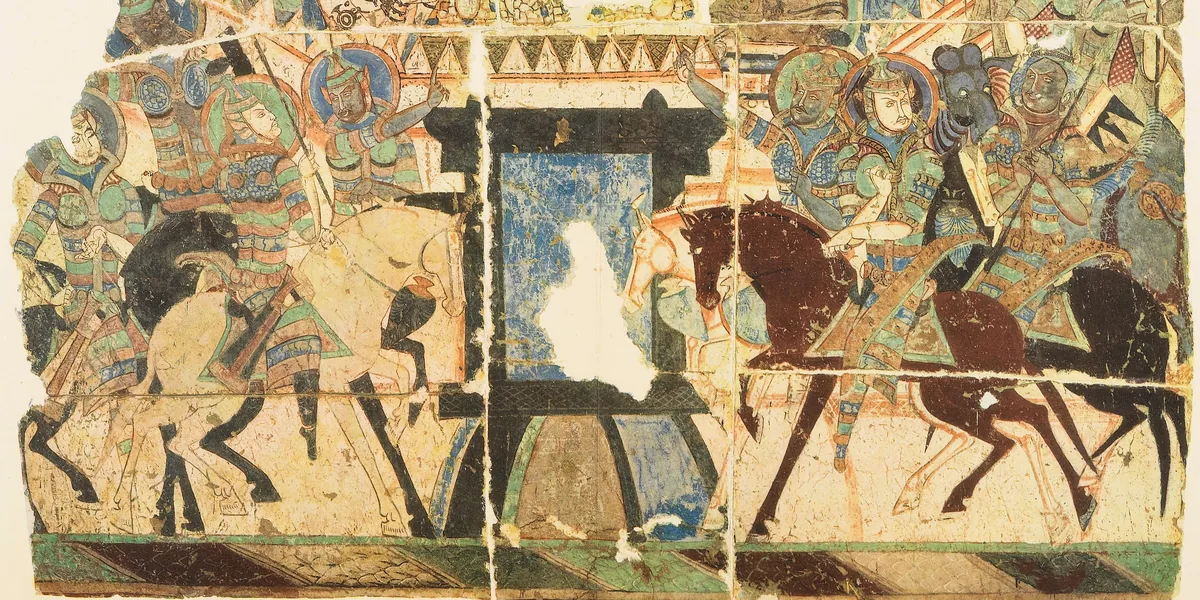
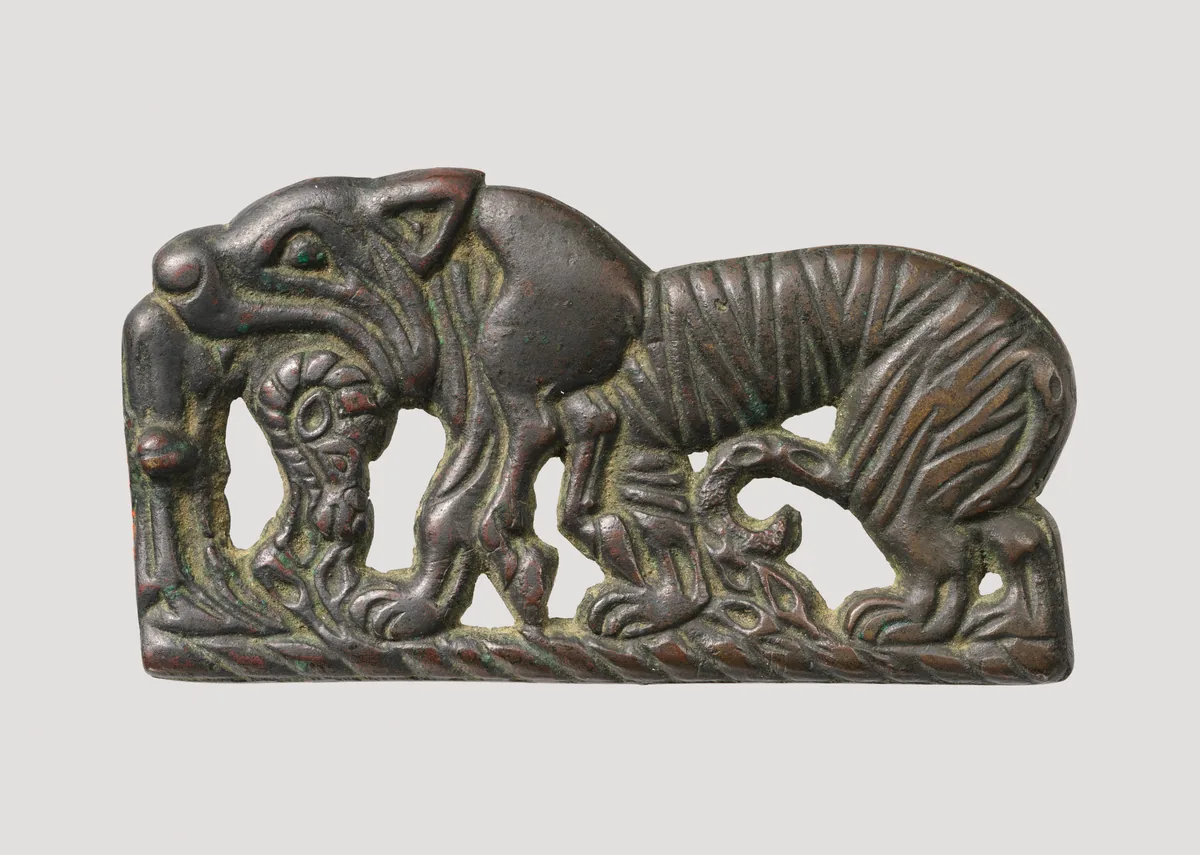
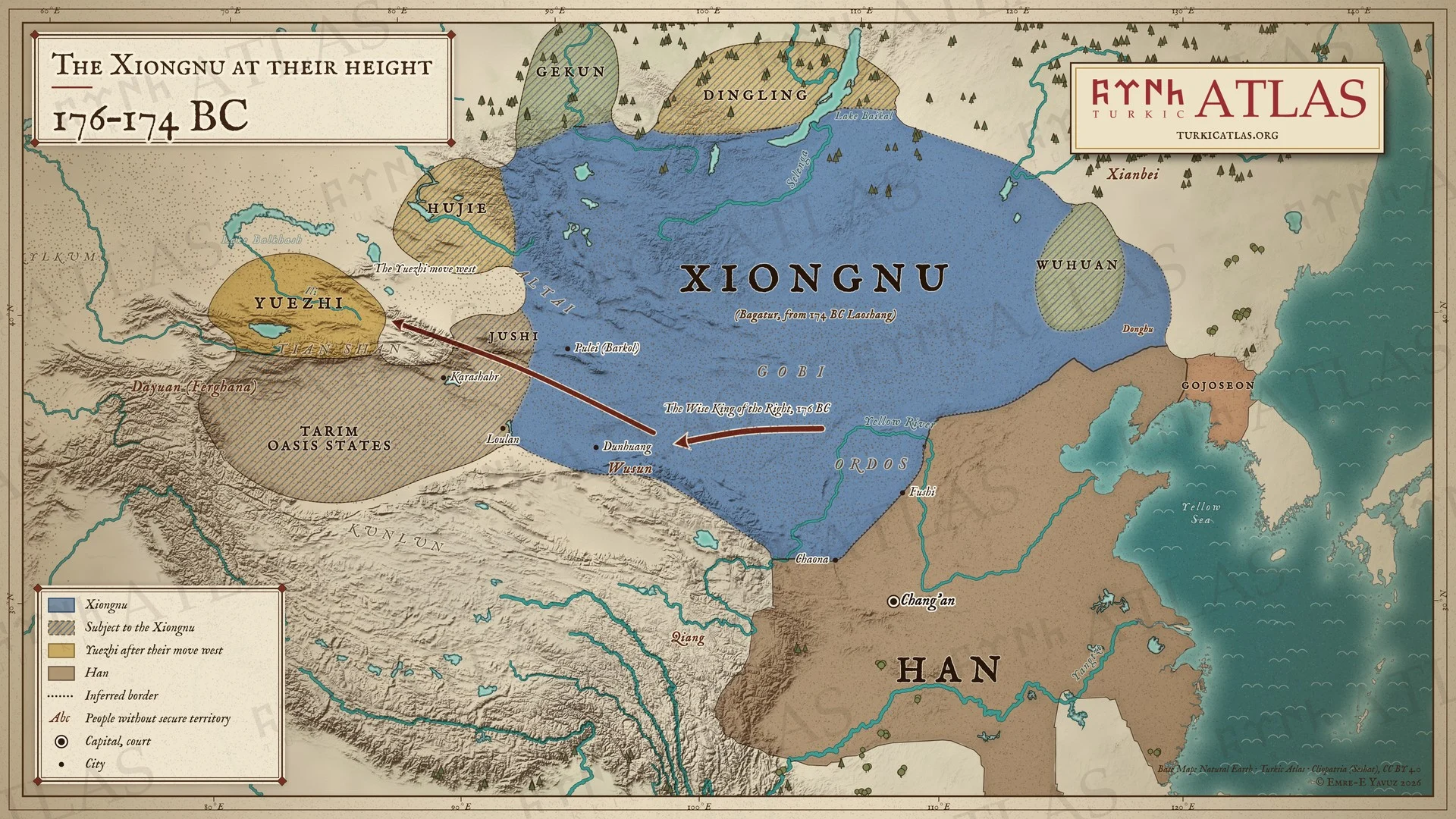
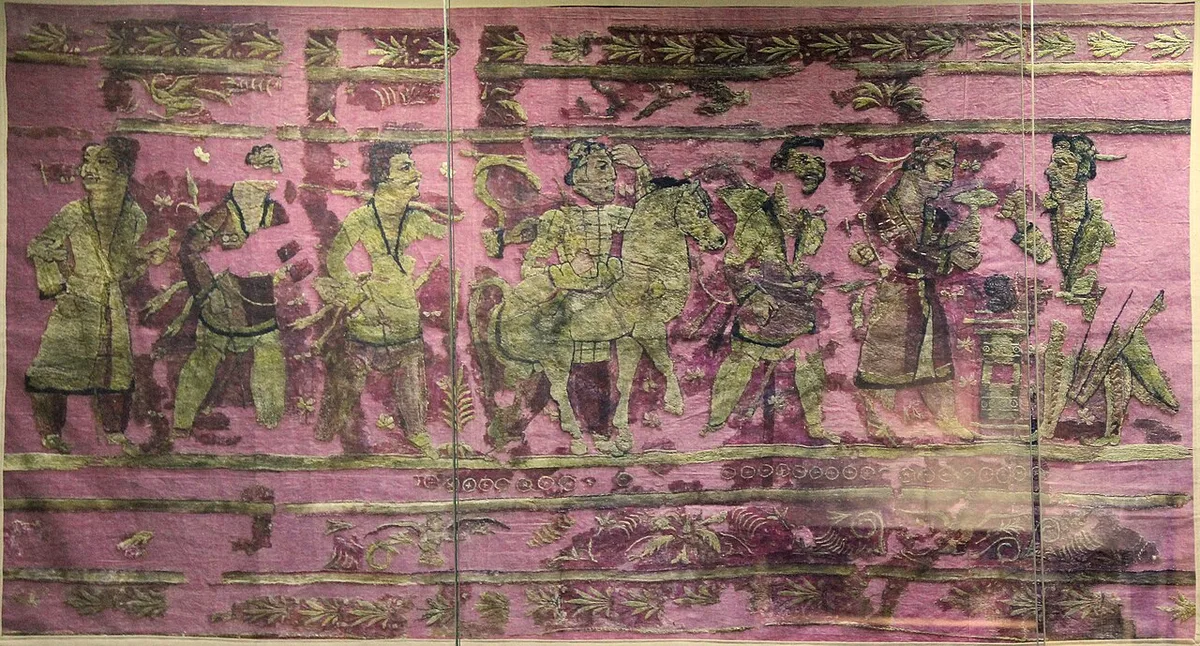

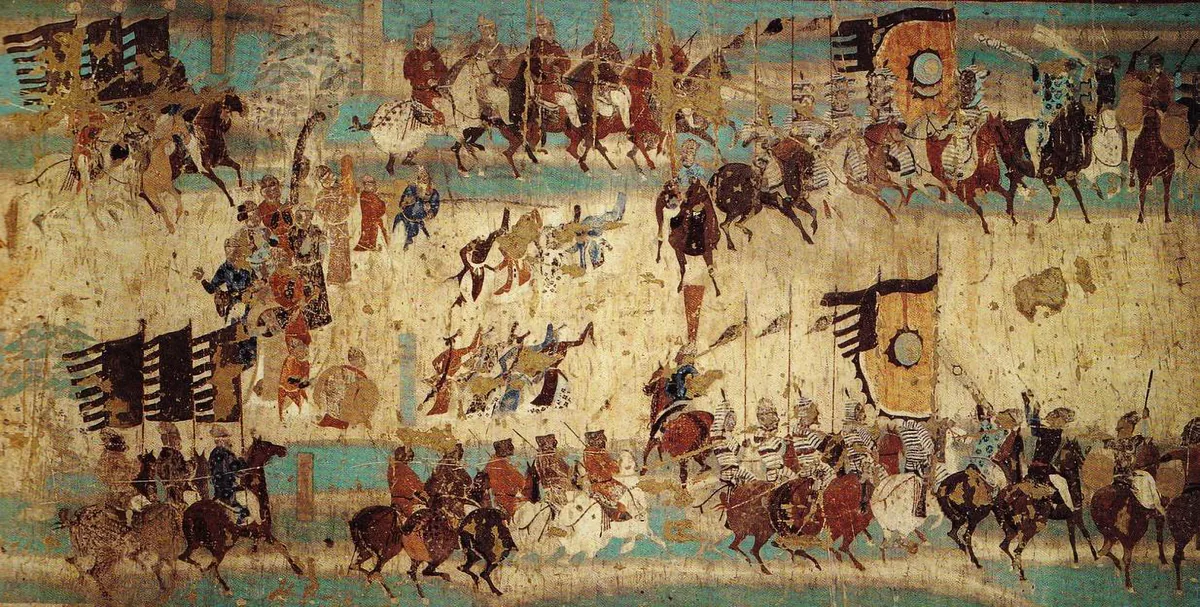
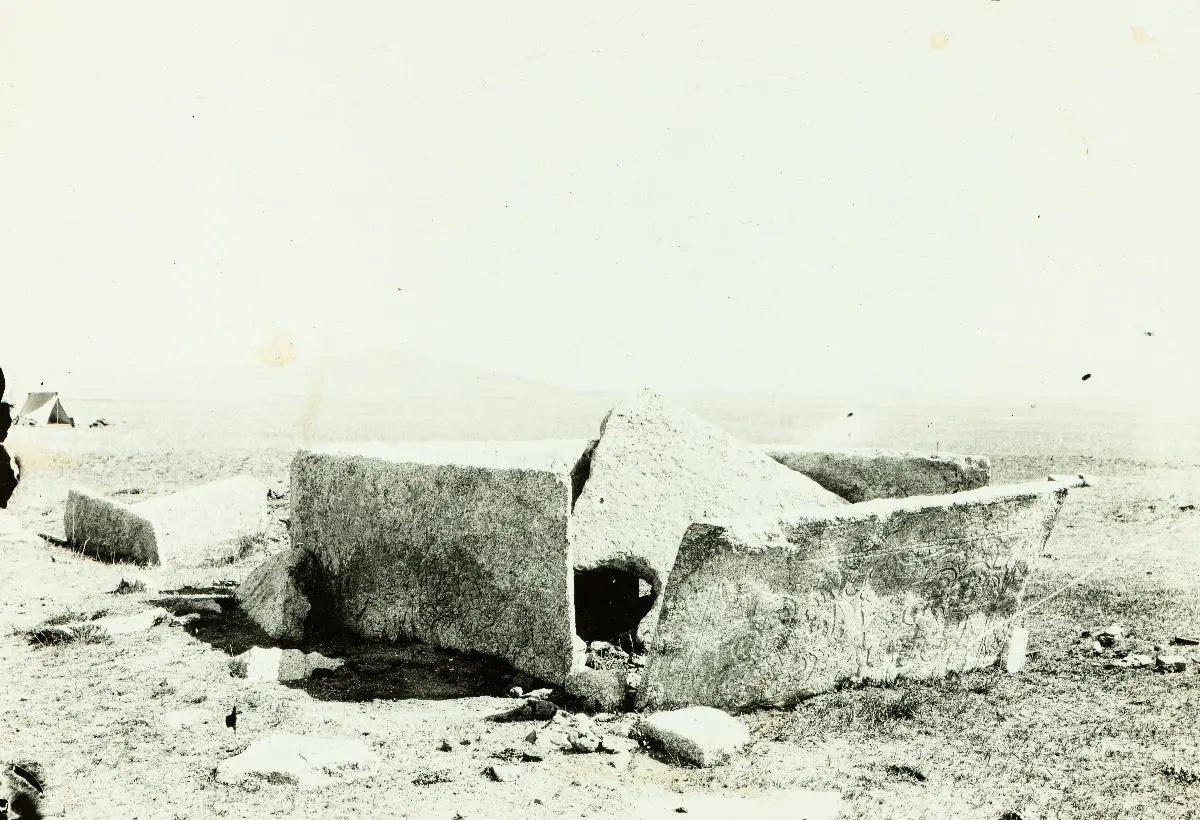
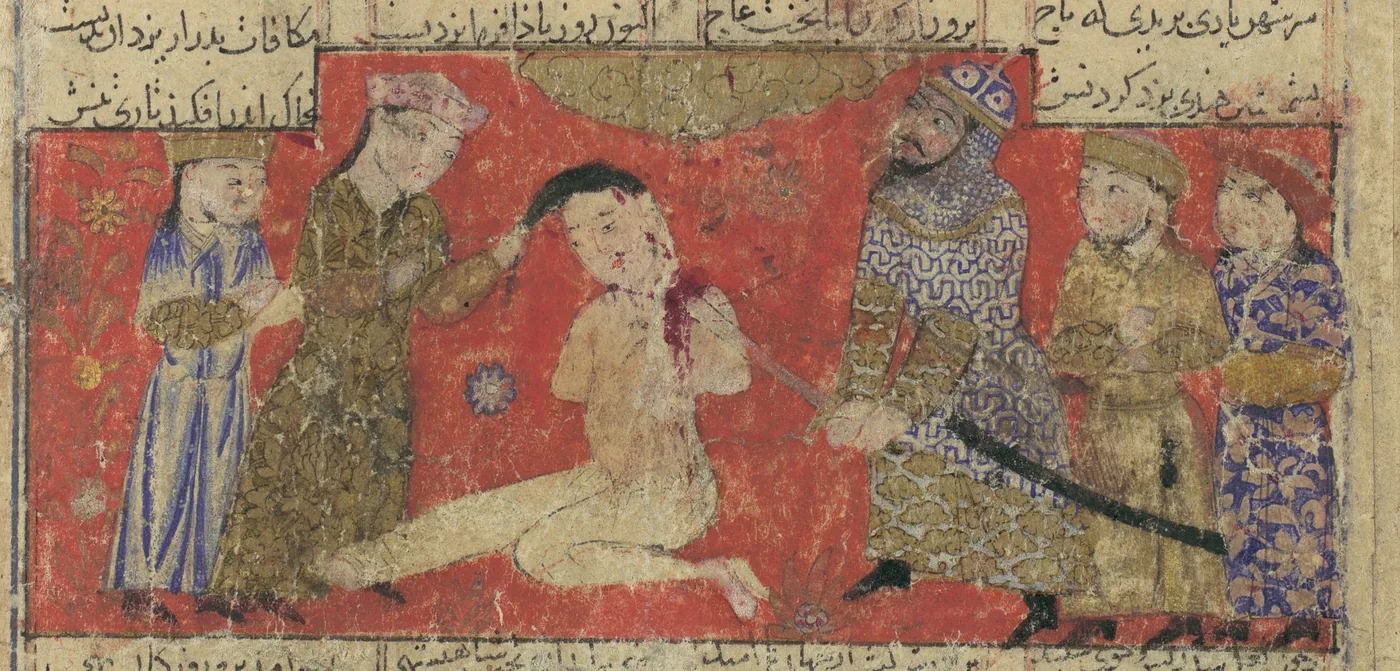
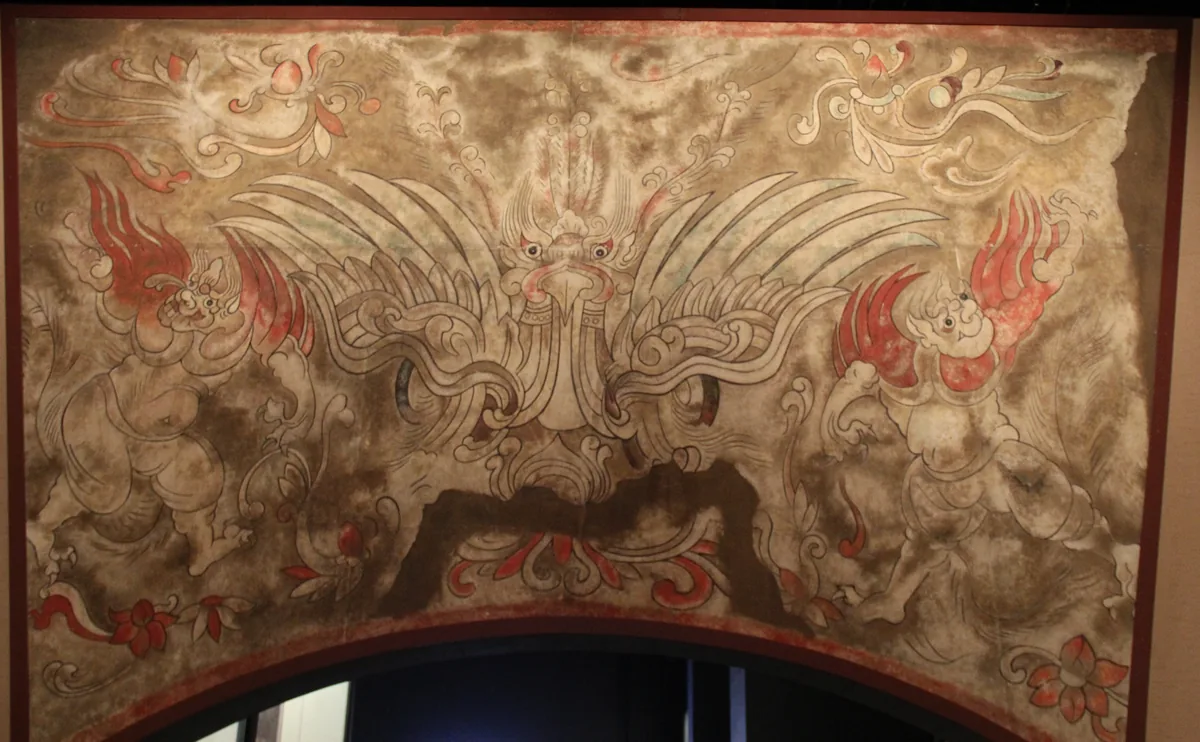

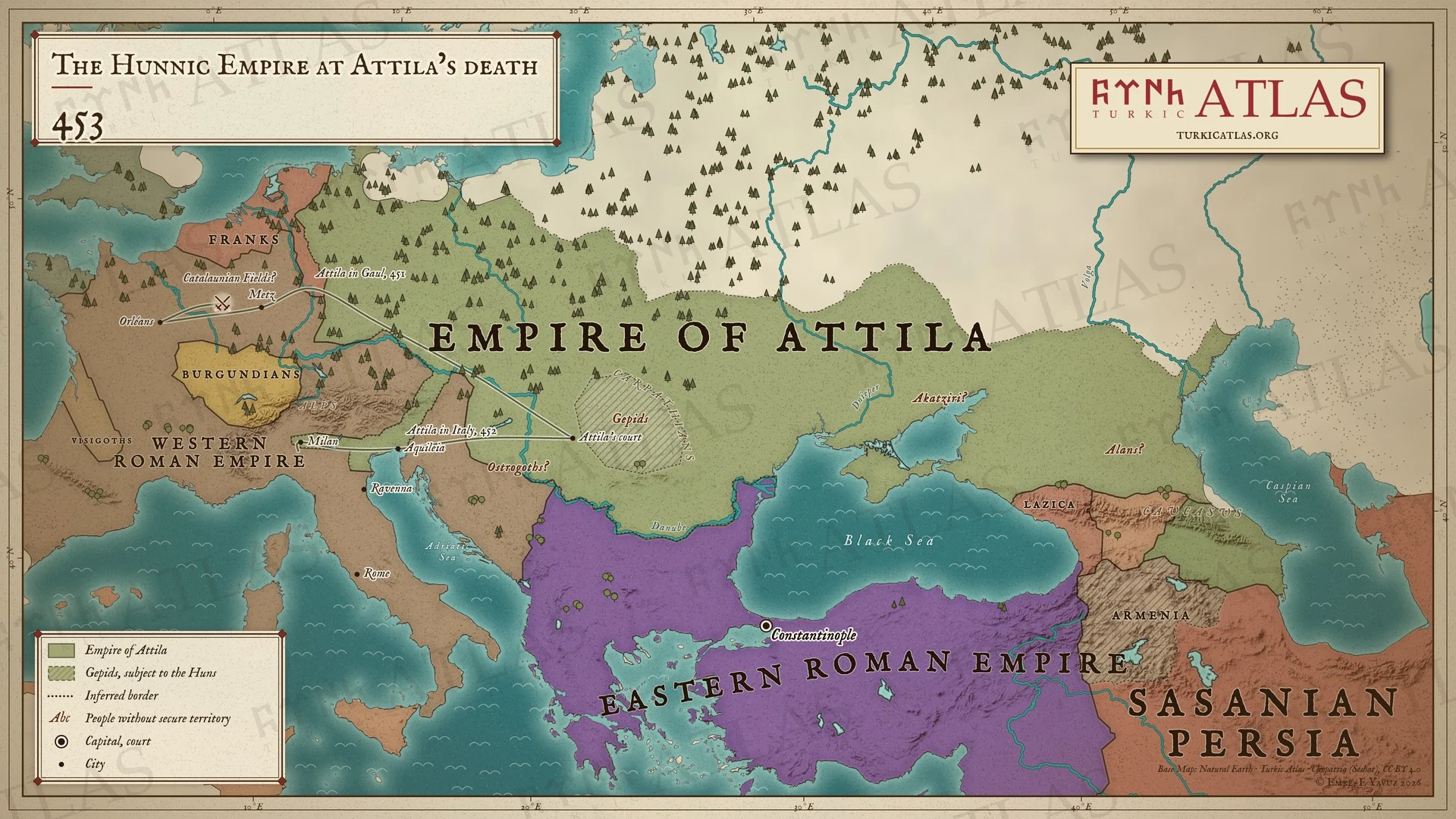
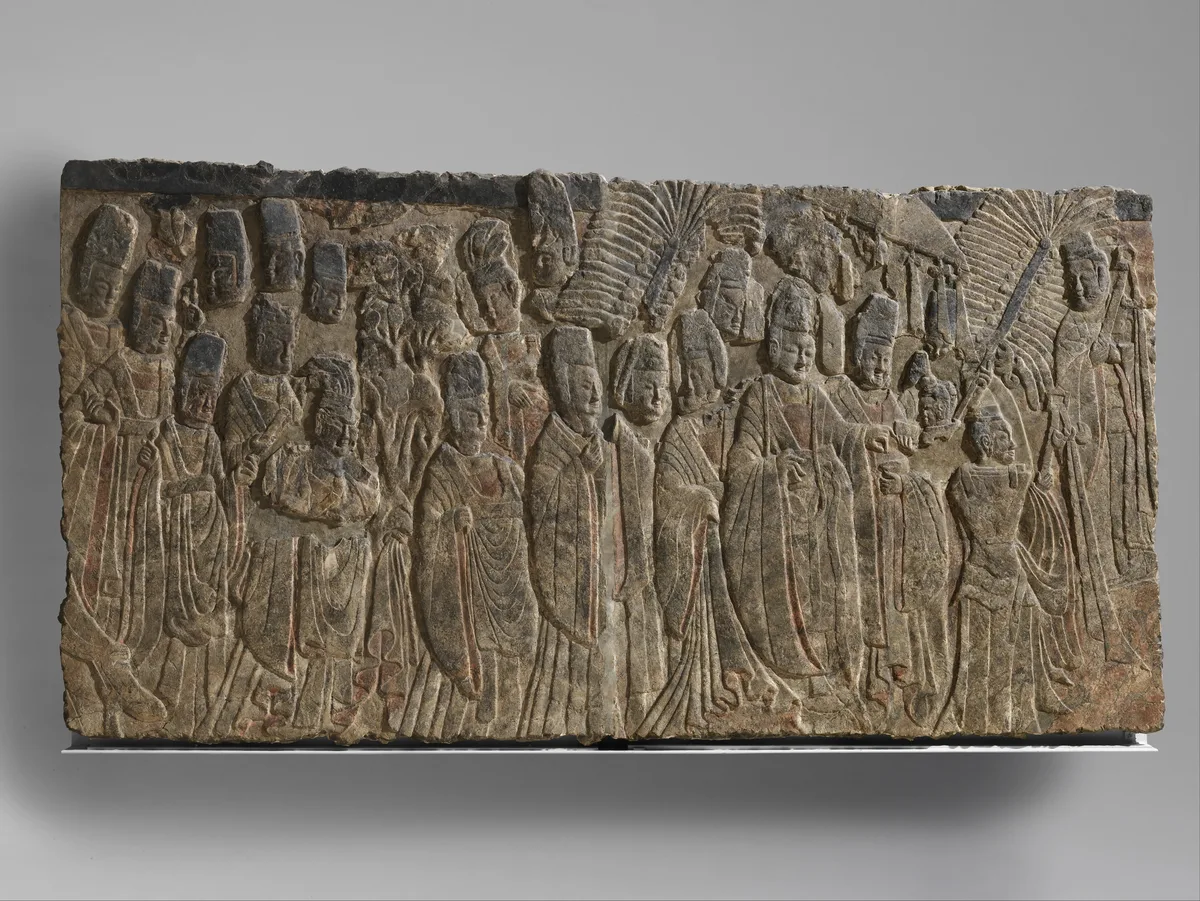
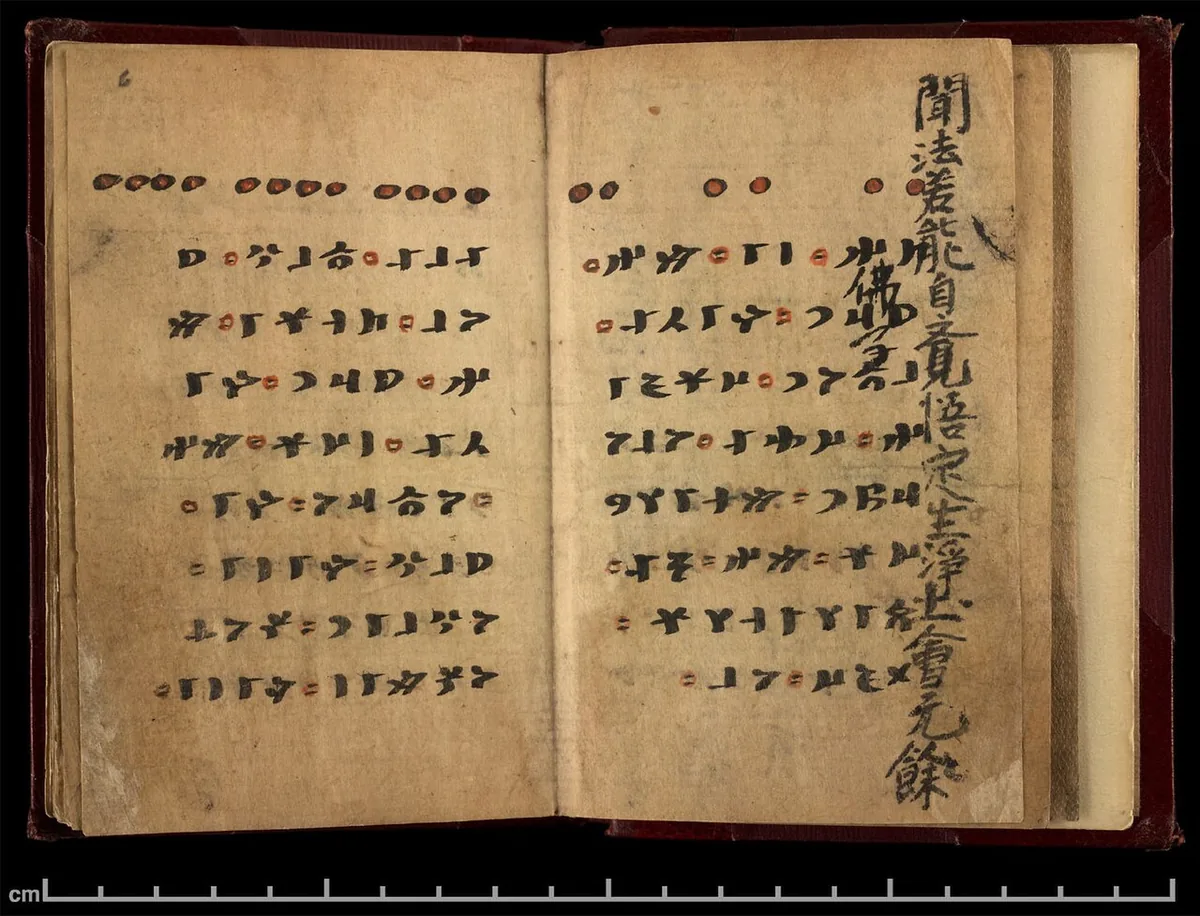
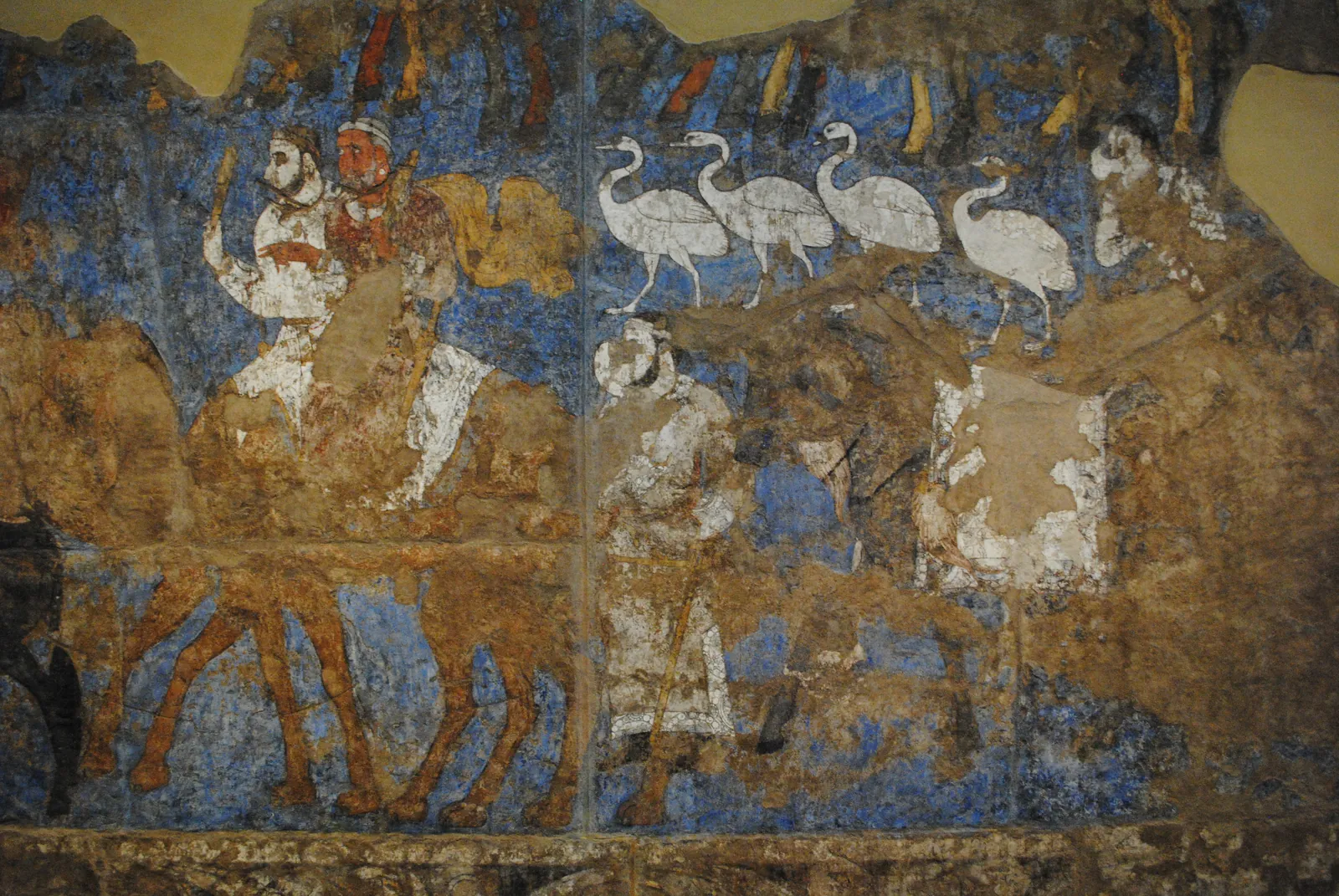
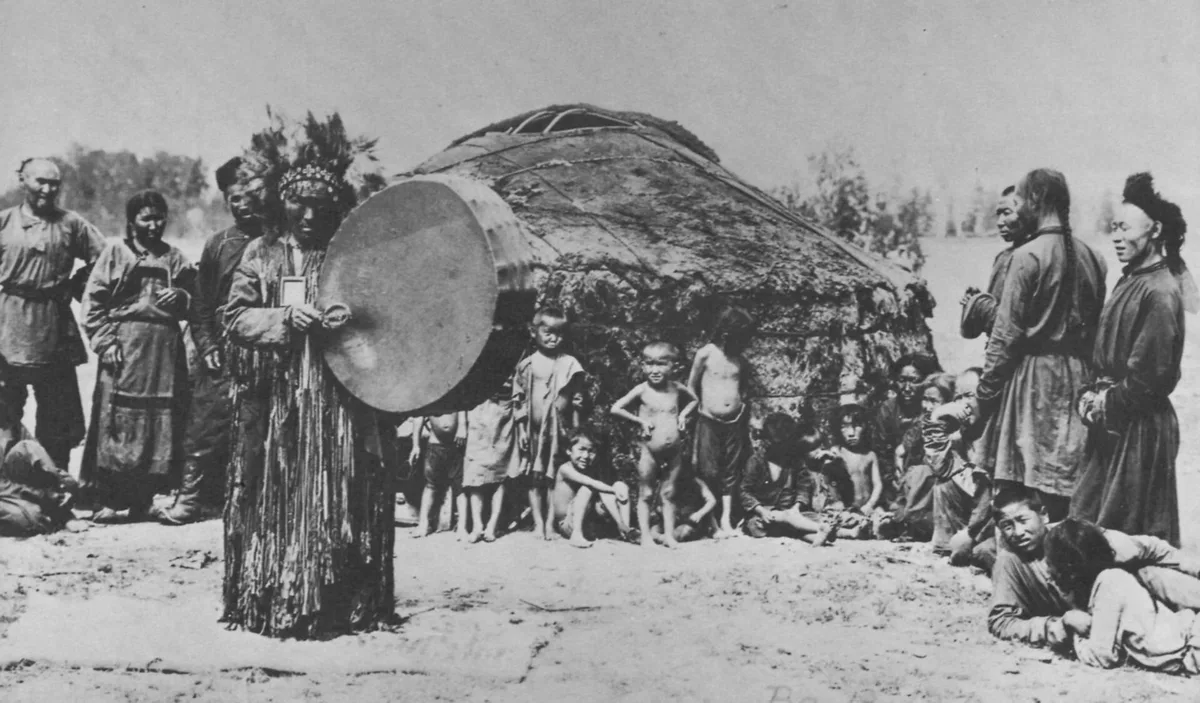

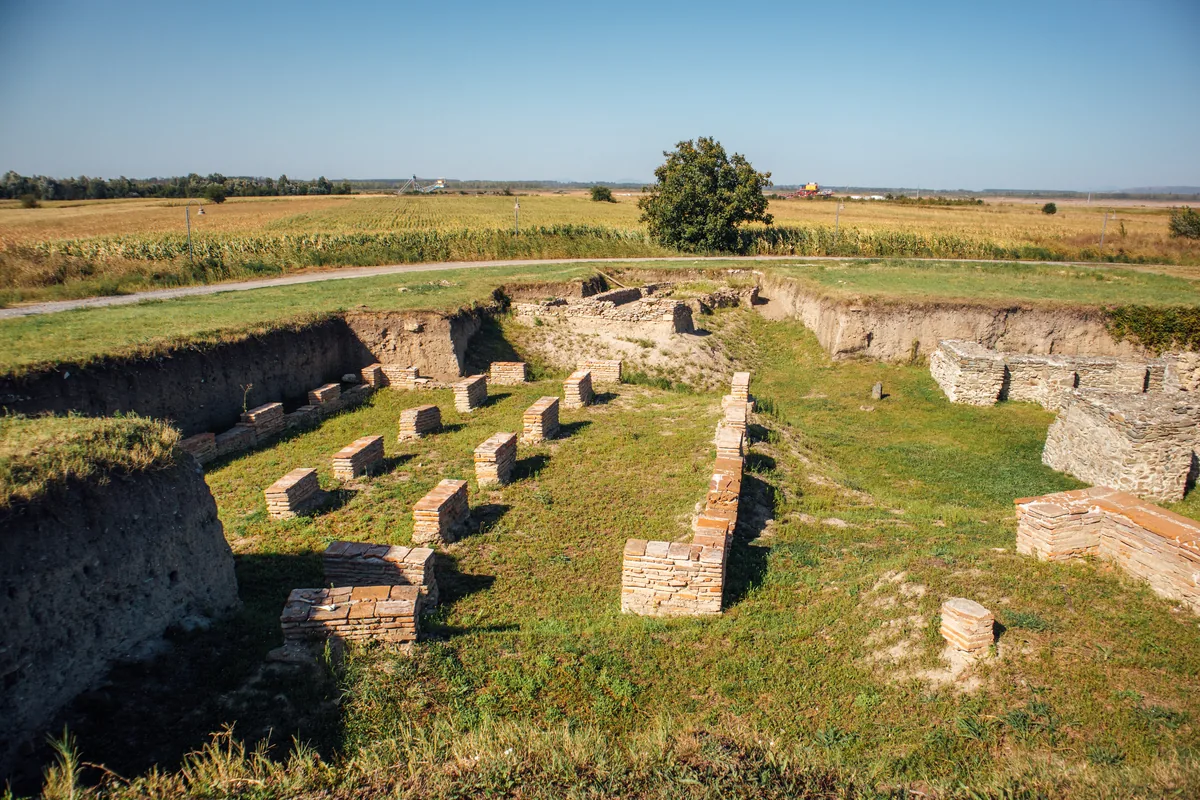
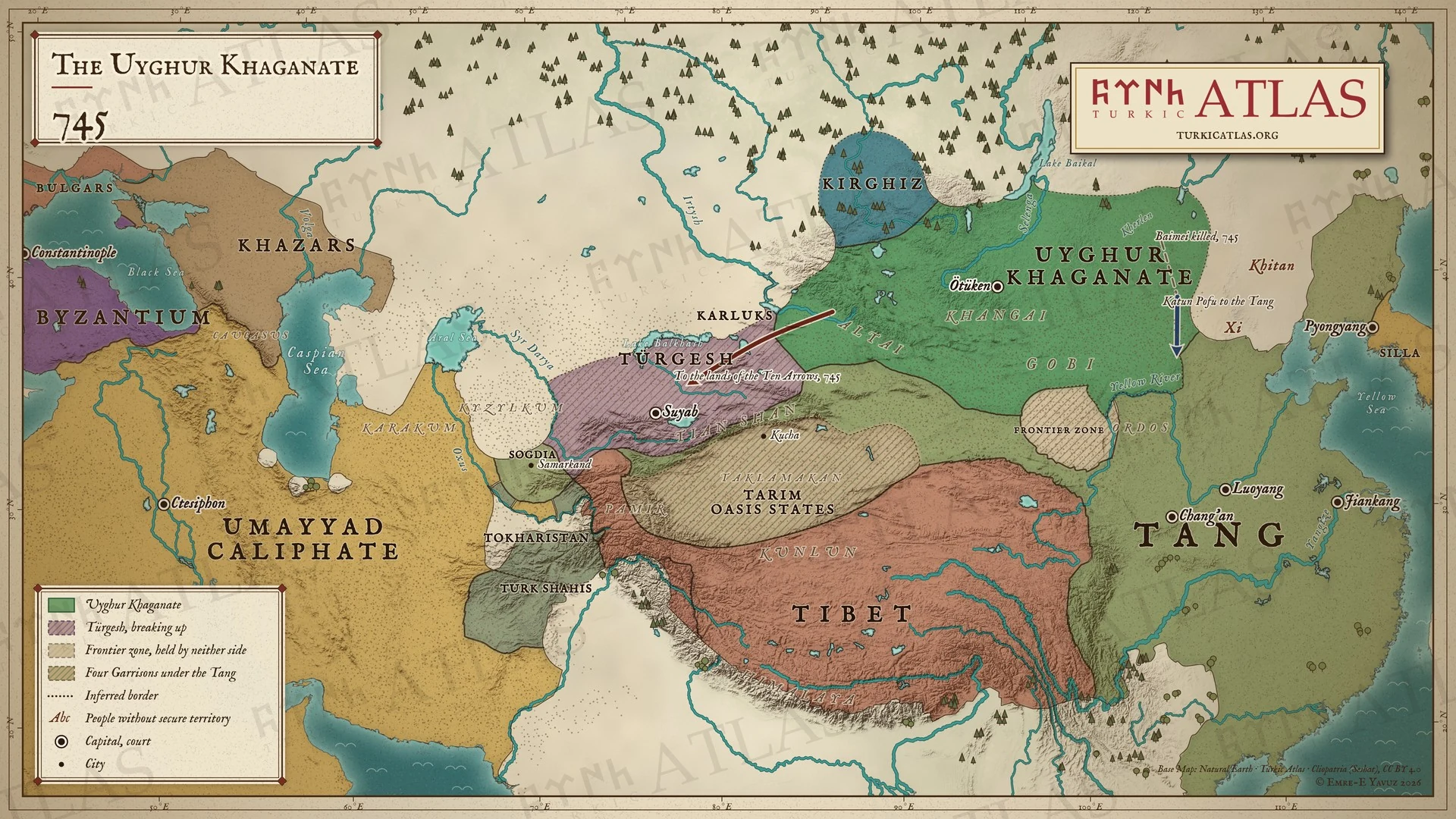
 Reading path · Path 1 of 6 The World of the Steppe Land, horse, heaven and law of the steppe peoples Start the path →
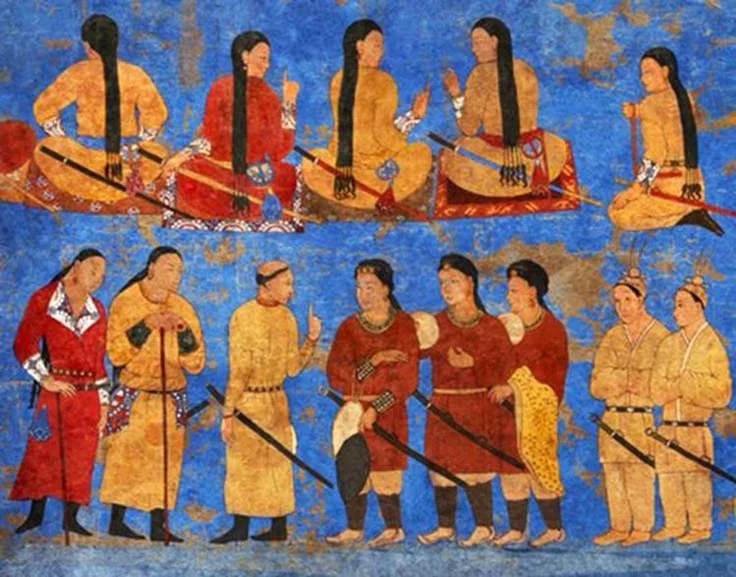
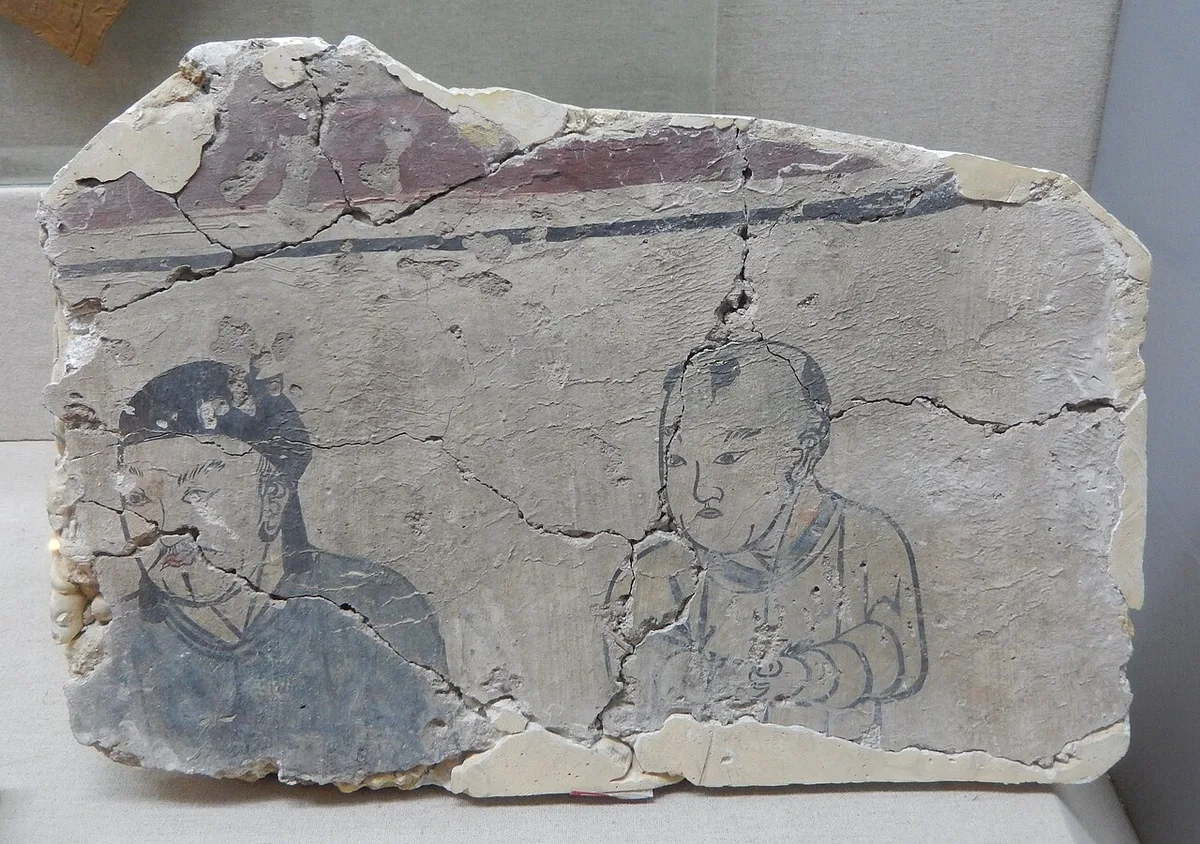
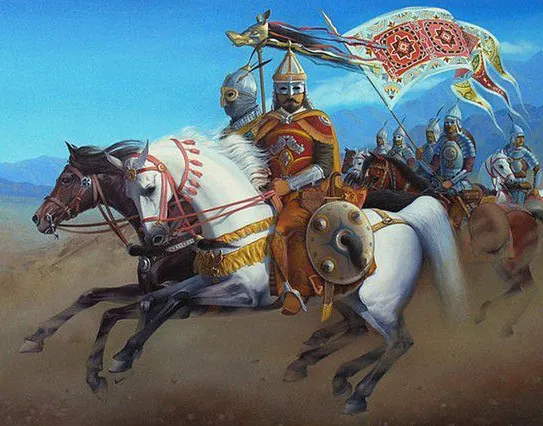 Modern depiction Person Bumin Khan Legendary Ashina Göktürk who overthrew the mighty Rouran in Mongolia in 552 and founded the Göktürk Khaganate in their place. Read the article →
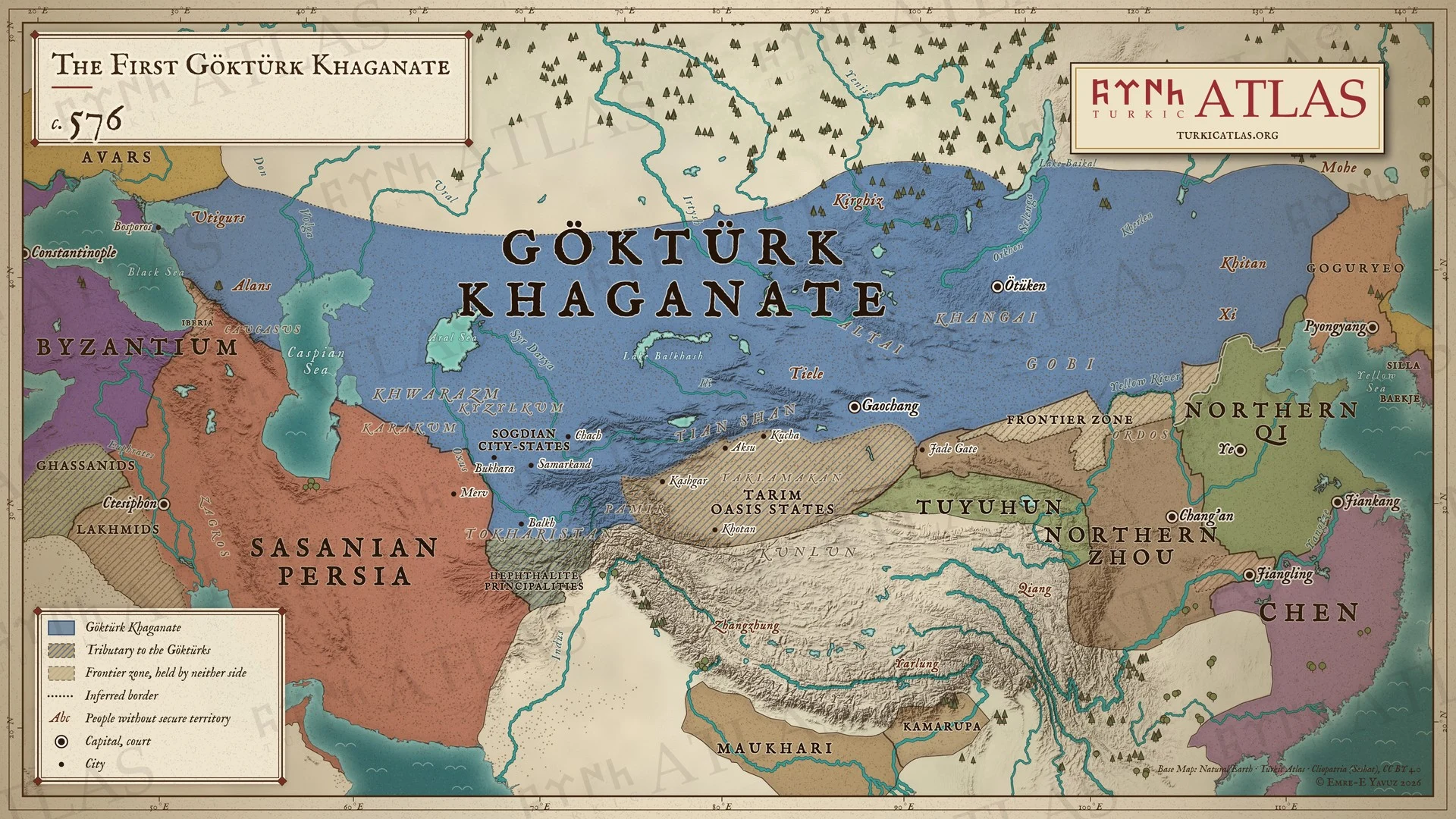
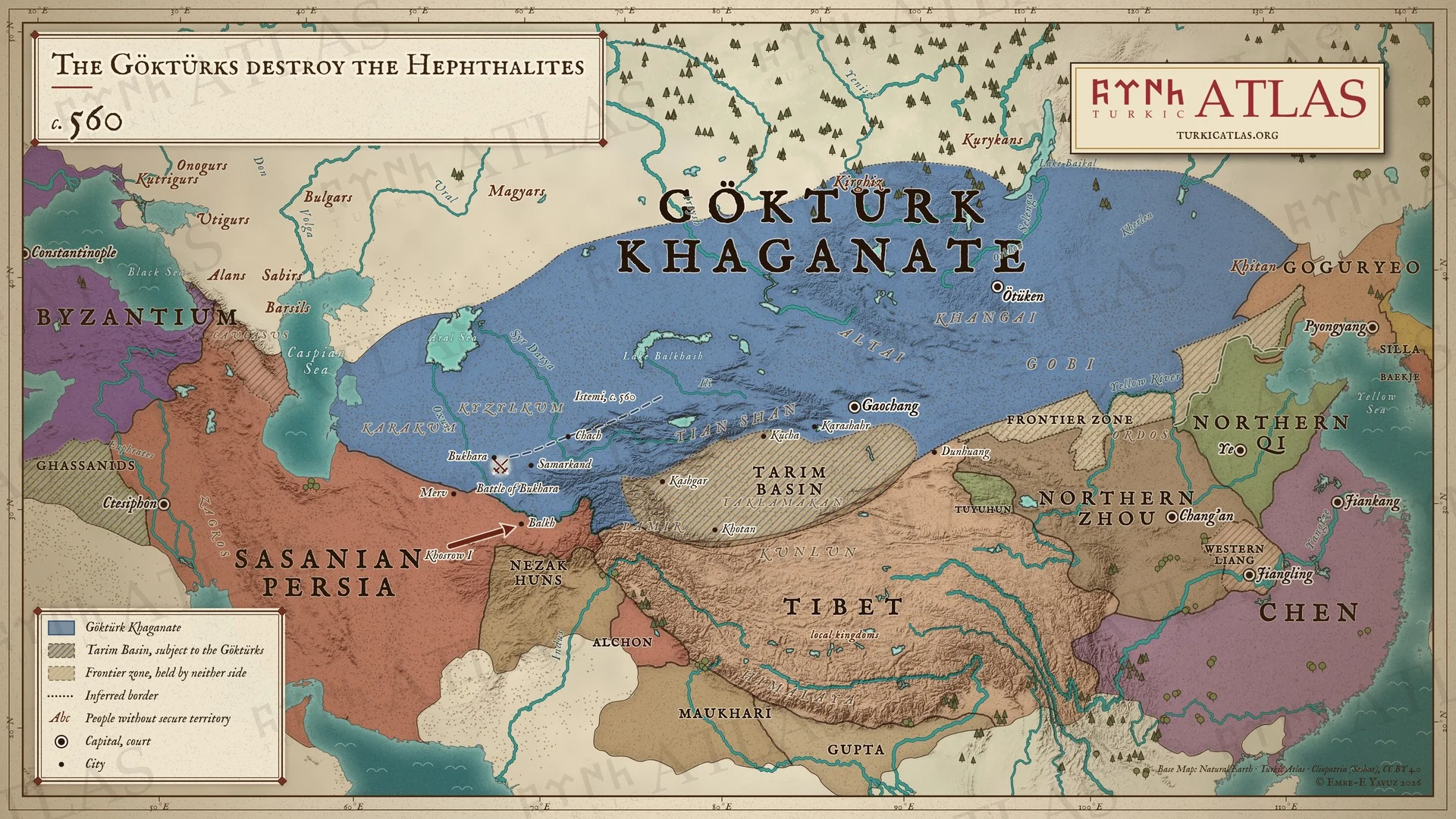 © Emre-E Yavuz 2026 State First Göktürk Khaganate The first state in history carrying the ‘Türk’ name, founded in 552 by Bumin of the Ashina Türks in Ötüken. Divided by civil war after 584 and destroyed by Chinese invasions and internal rebellions in 630/656. Read the article →


 © Emre-E Yavuz 2026
 © Emre-E Yavuz 2026
 © Emre-E Yavuz 2026





