
In 682 Ilterish gathered the fugitives of the crushed risings in the hills north of the frontier and made himself khan. With his counsellor Tonyukuk, his brother Kapgan and his sons Bilge Khan and Kül Tegin, the Göktürks built a state again that lasted until 744. Their monuments on the Orkhon tell the restoration in the Göktürks' own words. The path follows it in five steps, from the rising of 682 to the end of the state.
1/5
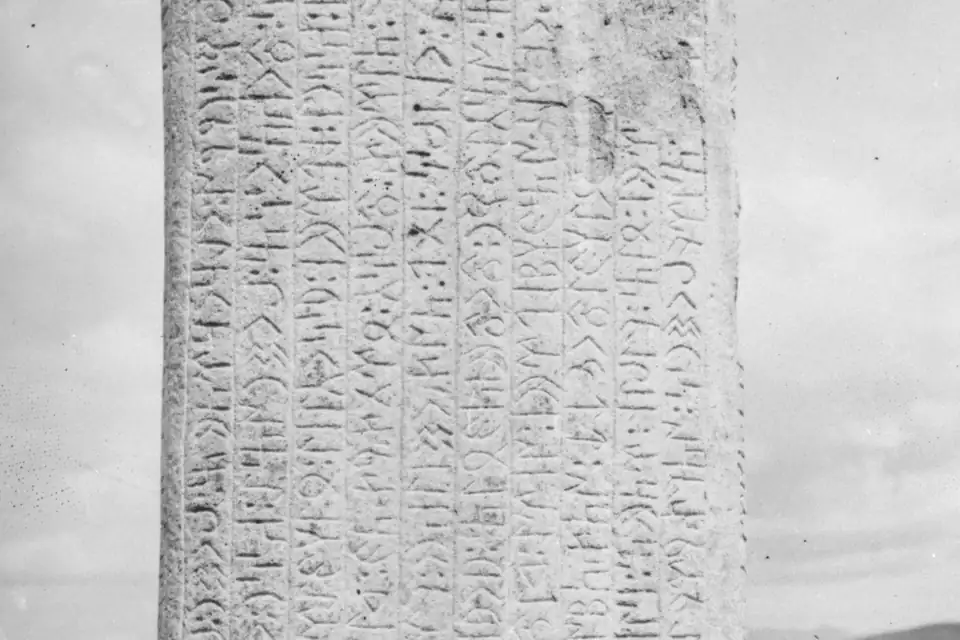
Ilterish Khan
682–691
The founder who gathered the Göktürks again in 682.
In 682 Gudulu, as the Tang called him, a distant kinsman of Ilig and an Ashina, gathered the fugitives of a crushed revolt in the hills north of the frontier and set himself up as khan. The Tang history counts five thousand men. His sons' monuments on the Orkhon say he went out with seventeen men and call him Ilterish, "he who gathers the realm". He raided the Tang every year and died of illness in the early 690s.
 Second Göktürk Khaganate
 Ashina
2/5
Tonyukuk
682–725
The counsellor who, by his own account, made Ilterish khan.
Tonyukuk served three khans in turn: Ilterish, his brother Kapgan and his son Bilge. His inscription opens, "I myself was born into the realm of China," and says that he himself made Ilterish khan. He led the armies of the restored state over the Sayan against the Kirghiz and over the Altai and the Irtysh against the Türgesh. In 725 the Tang court called him "deep and full of stratagems".
- Second Göktürk Khaganate
3/5
Bilge Khan
716–734
The khan who made peace with China and stayed in Ötüken.
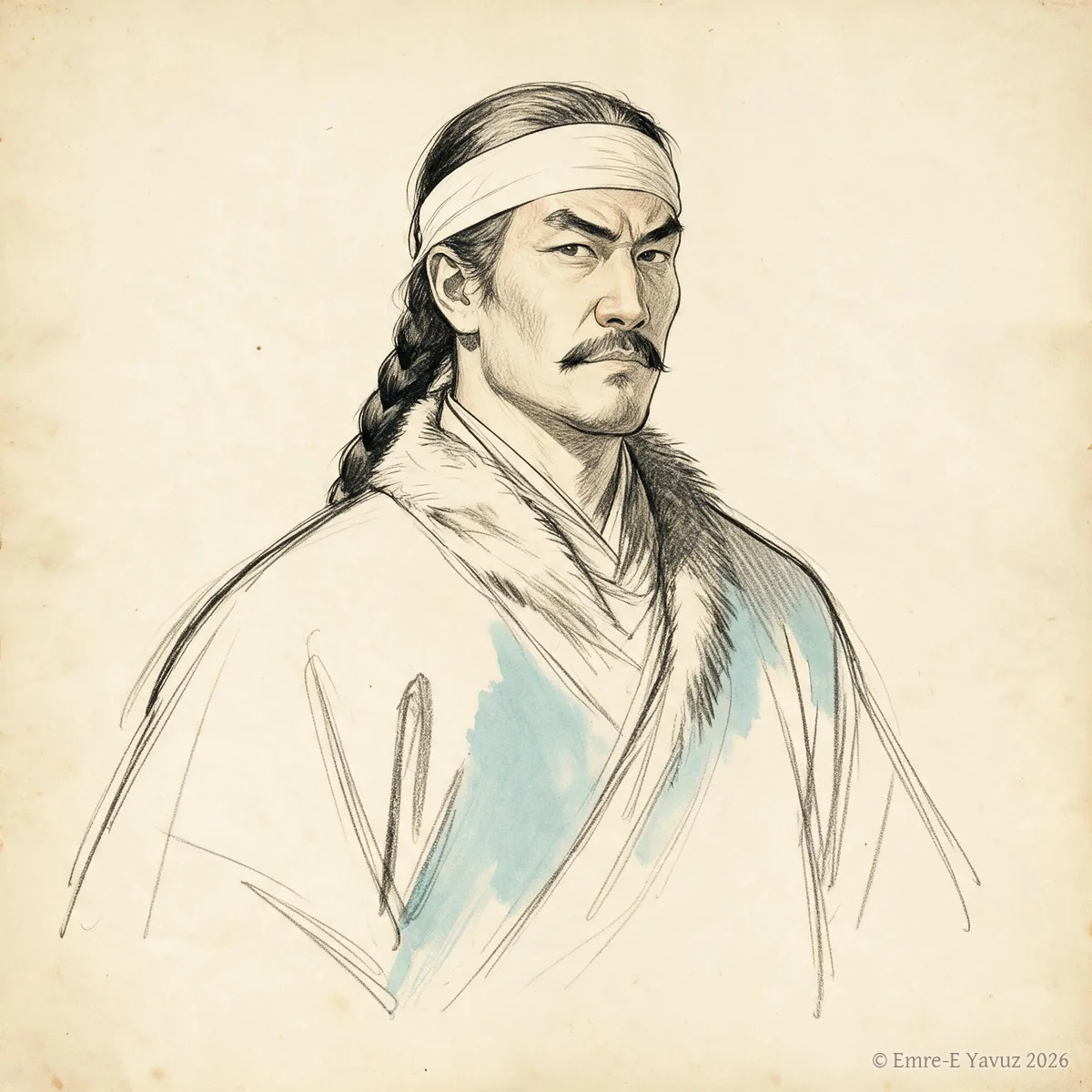
Bilge Khan, Ilterish's son, took the throne in 716, when his brother Kül Tegin killed the heirs and the court of their uncle Kapgan. Bilge recalled the old counsellor Tonyukuk. In 721 he asked the Tang for peace, and from 727 he received silk by the hundred thousand bolts, but he stayed in Ötüken and did not settle in China's country. Kül Tegin died in 731. In 734 a minister poisoned Bilge.
- Second Göktürk Khaganate
- Ashina
4/5
Kül Tegin inscription
732
The stone on which the Göktürks explain their own fall.
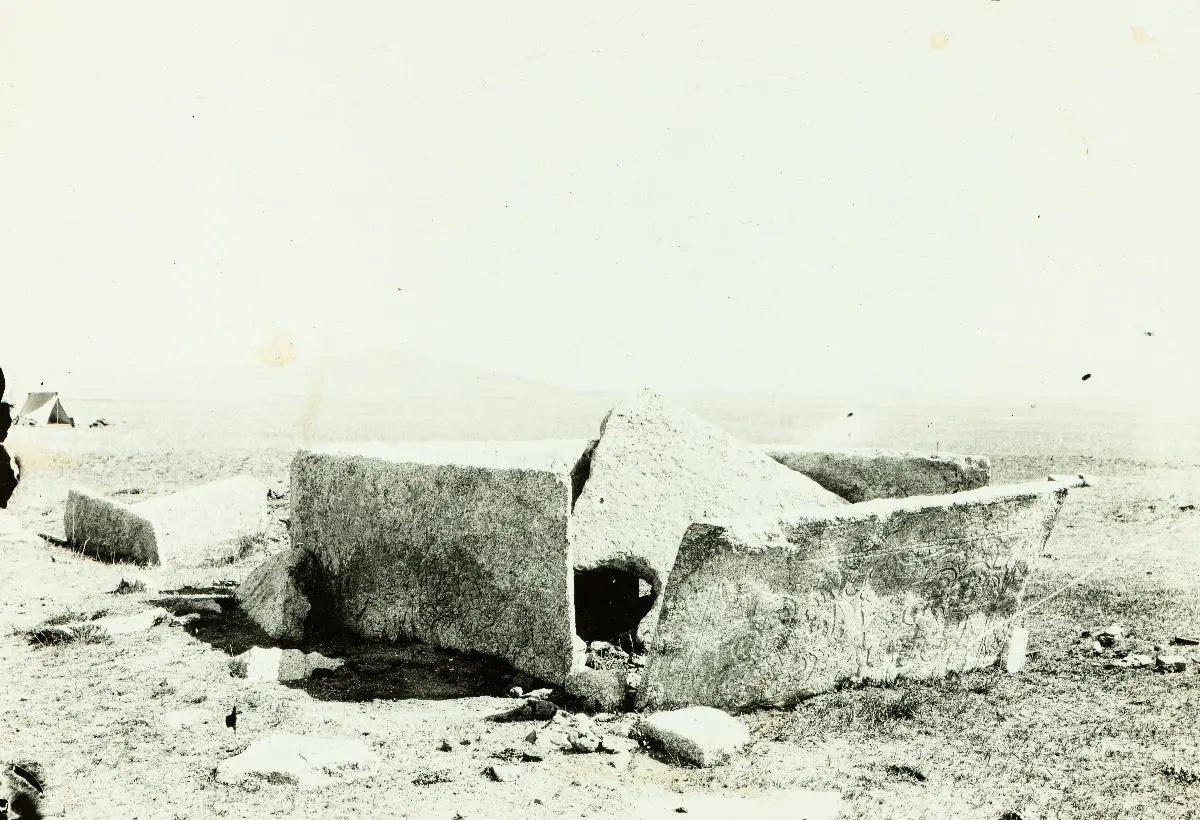
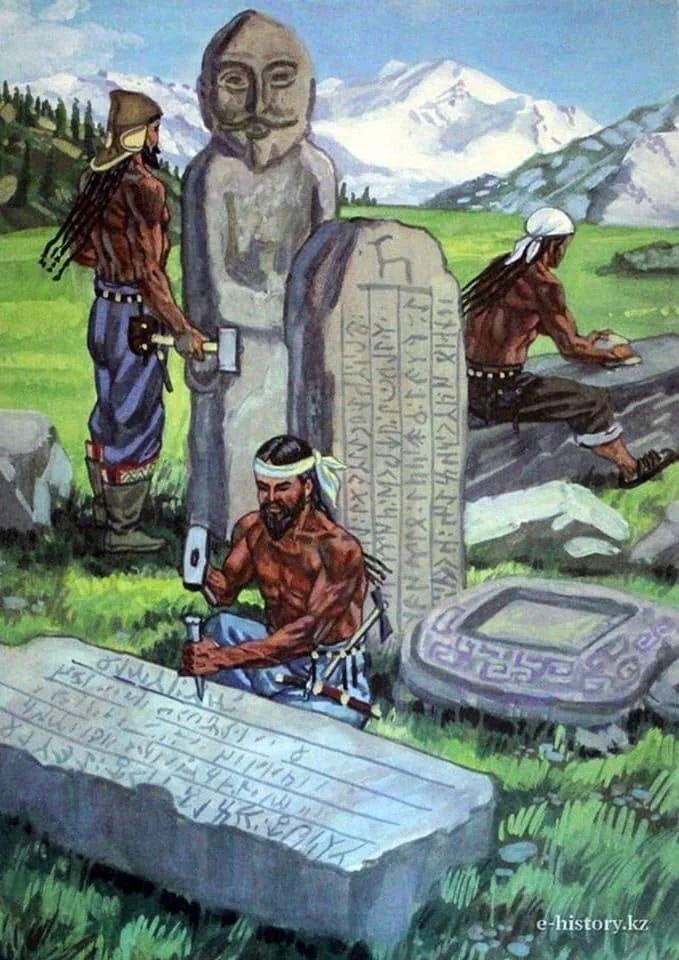
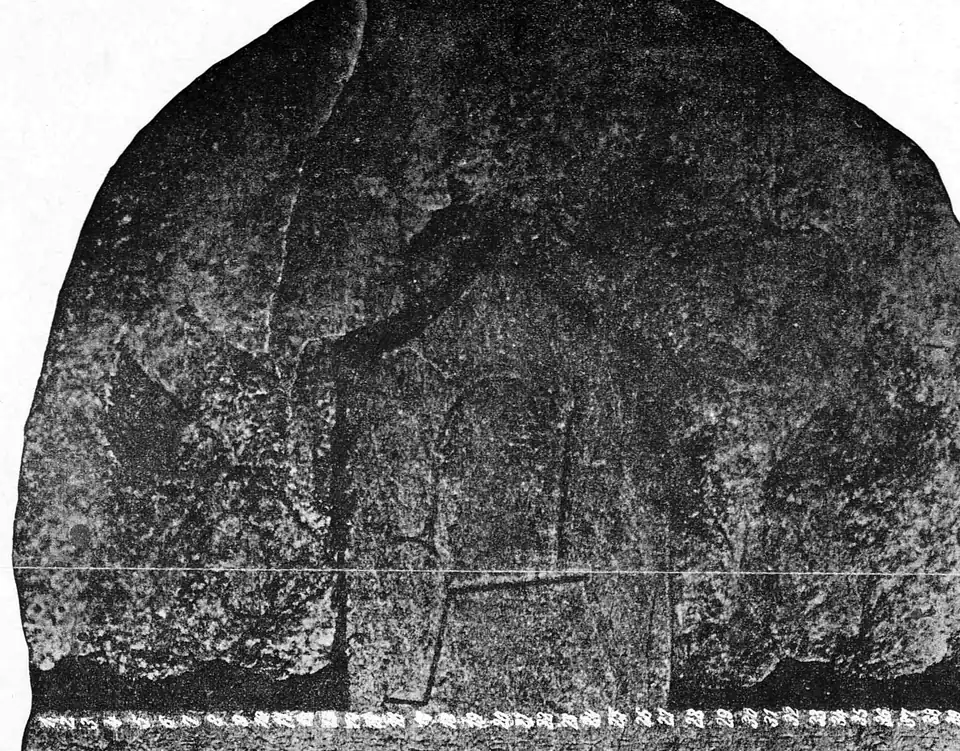
Bilge Khan raised this stone in 732 in the valley of the Orkhon for his brother Kül Tegin, who had died the year before. Three faces carry Old Turkic in runic script, the fourth a Chinese text of condolence. It is the earliest text in a Turkic language to speak of Bumin and Istemi. Bilge tells his people how they lost their state once: lords and commons were not straight with one another, and the Chinese set brother against brother.
5/5
Second Göktürk Khaganate
682–744
The restored state, from its founding in 682 to its end in 744.
Ilterish raised the Second Khaganate in 682. Under Kapgan the Tang histories reckoned it ten thousand li across. Under Bilge Khan it lived at peace with China and was paid in silk. After Bilge's death in 734 a boy khan and a regency ruled, two shads turned on each other, and the Basmïl, Karluk and Uyghurs rose. In 744 an Uyghur-led coalition overthrew the Basmïl khan, and the Uyghur Khaganate began.
- Second Göktürk Khaganate

