682年、イルテリシュは鎮圧された蜂起の落ち武者を国境の北の山地に集め、みずから可汗を称した。参謀トニュクク、弟カプガン、息子のビルゲ可汗とキョル・テギンとともに、ギョクテュルクは744年まで続く国家を再び築いた。オルホンに残る彼らの碑は、その再興をギョクテュルク自身の言葉で語る。この道は、682年の蜂起から国家の終わりまでを五つの段階でたどる。
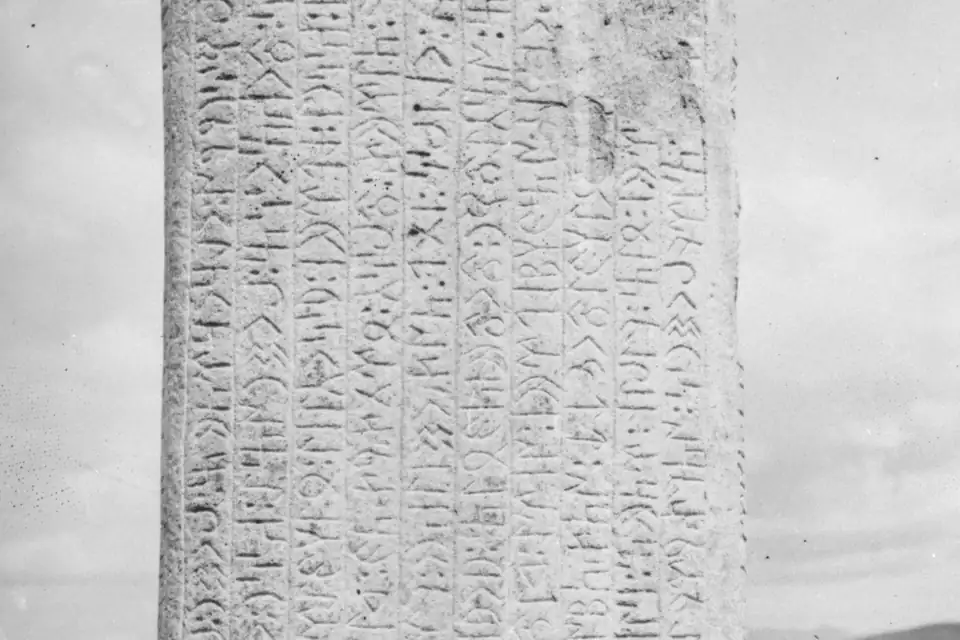
Runes cut in a standing stone, in an old photograph

1/5

骨咄禄(イルテリシュ)

682–691

682年にギョクテュルクを再び集めた創始者。

682年、唐が骨咄禄と呼んだ男は、イリグの遠い親族で阿史那氏の一人であり、鎮圧された反乱の落ち武者を国境の北の山地に集め、みずから可汗を称した。唐の史書は五千人と数える。息子たちがオルホンに建てた碑は、彼が十七人を連れて出たと伝え、彼をイルテリシュ、「国を集める者」と呼ぶ。彼は毎年唐を襲い、690年代の初めに病で没した。

  • 第二ギョクテュルク可汗国
  • 阿史那氏

記事を読む →

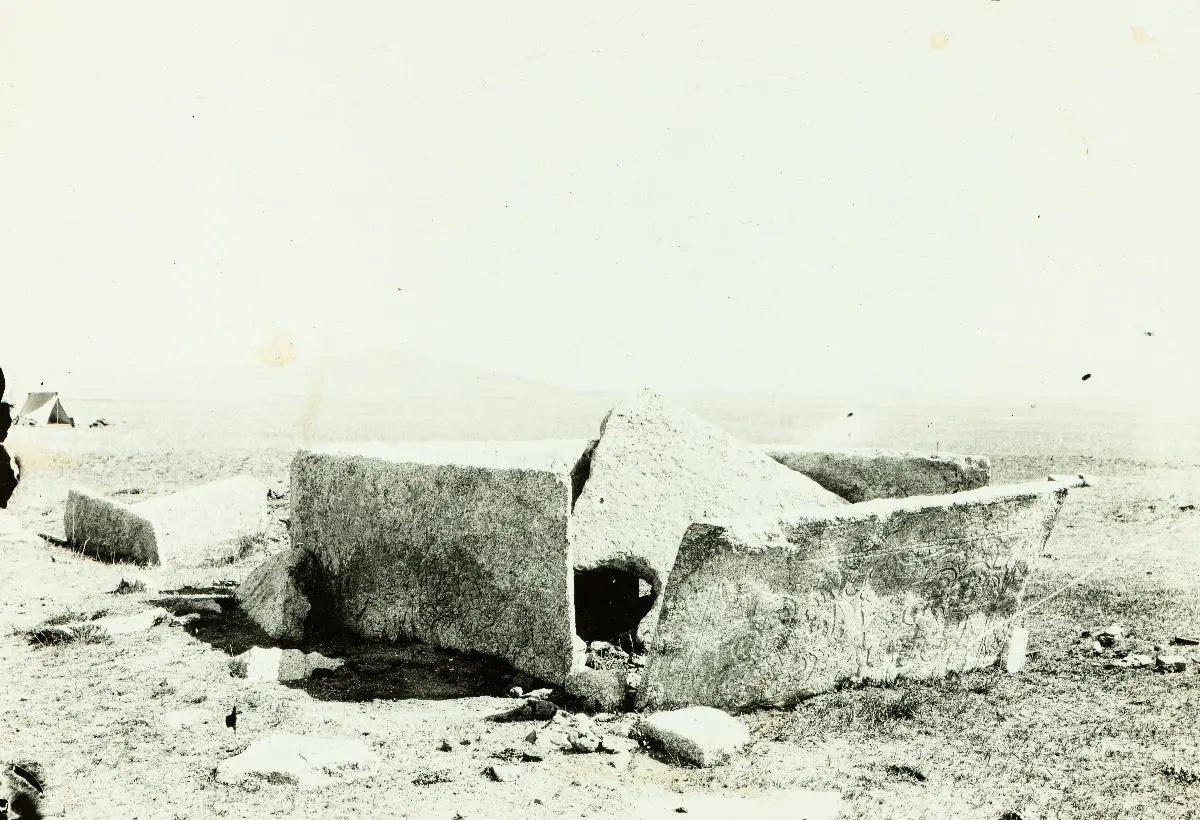
Large broken blocks of a stone coffin lying on bare ground on an open plain, with a tent at the left edge
The stone coffin at the Tonyukuk tomb, seen from the southwest, in 1909.

2/5

Tonyukuk

682–725

自らの言葉によれば、イルテリシュを可汗にした参謀。

トニュククは三人の可汗に続けて仕えた。イルテリシュ、その弟カプガン、そしてその子ビルゲである。彼の碑文は「私自身は中国の国に生まれた」という言葉で始まり、イルテリシュを可汗にしたのは自分自身だと述べる。彼は再興された国の軍を率い、サヤンを越えてキルギスに、アルタイとイルティシュを越えてテュルギシュに向かった。725年、唐の朝廷は彼を「深く、策略に富む」と評した。

  • 第二ギョクテュルク可汗国

記事を読む →

3/5

毗伽可汗(ビルゲ)

716–734

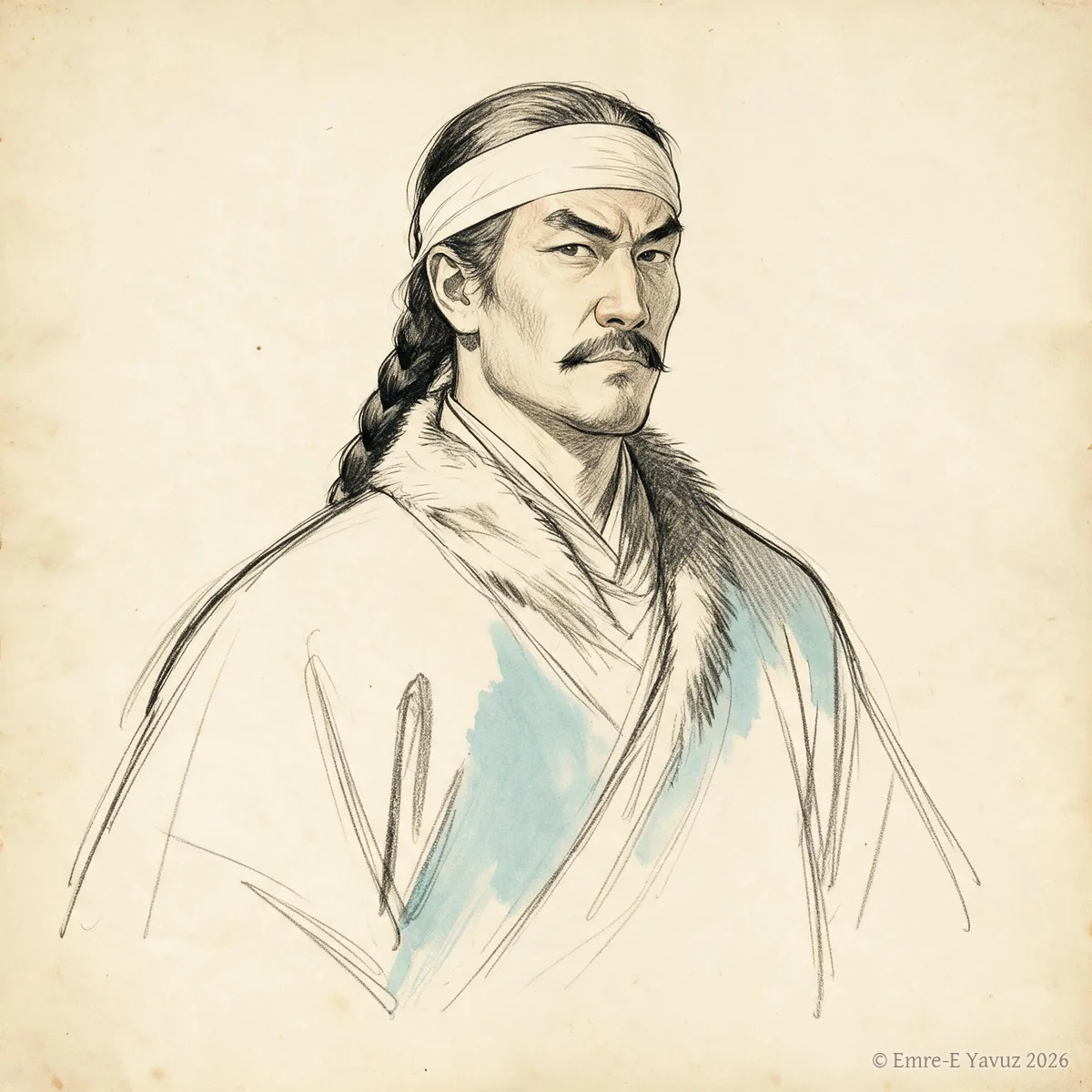
Bilge Khan in a modern drawing.

中国と和を結び、ウテュケンにとどまった可汗。

イルテリシュの子ビルゲ可汗は、兄キョル・テギンが叔父カプガンの後継者たちとその側近を殺したのち、716年に即位した。ビルゲは老参謀トニュククを呼び戻した。721年に唐に和を求め、727年からは毎年数十万匹の絹を受け取ったが、彼はウテュケンにとどまり、中国の地に住み着くことはなかった。キョル・テギンは731年に没した。734年、一人の大臣がビルゲに毒を盛った。

  • 第二ギョクテュルク可汗国
  • 阿史那氏

記事を読む →

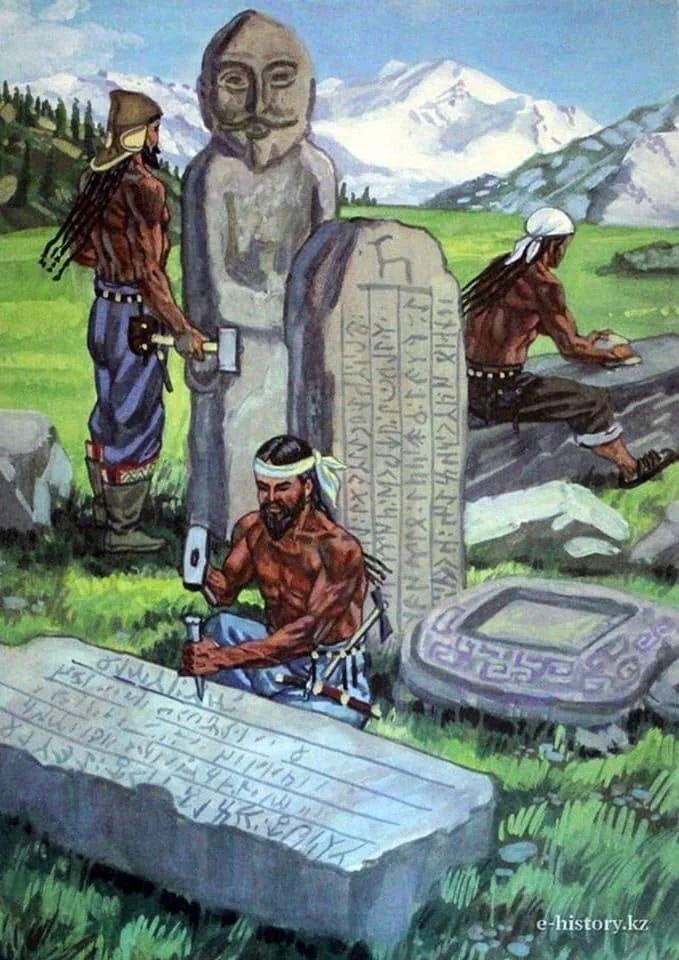
Bare-chested men with long plaits carving runic inscriptions into stone slabs on a mountain meadow, beside a carved stone figure and a carved base
The cutting of runic stones on the steppe, in a modern illustration. The inscription names its makers otherwise: the carvers were sent by the Chinese emperor, and Yollug Tegin wrote the text.

4/5

キョル・テギン碑文

732

ギョクテュルクが自らの没落を説明した石碑。

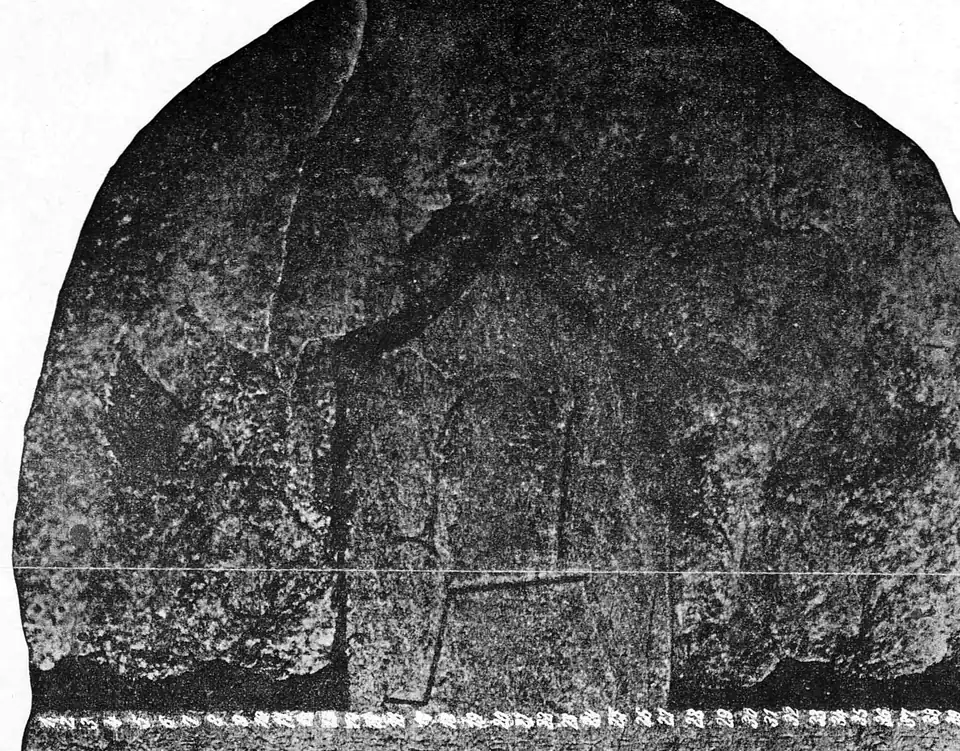
ビルゲ可汗は732年、前の年に亡くなった弟キョル・テギンのために、オルホンの谷にこの碑を建てた。三つの面は古テュルク語を突厥文字で刻み、第四の面は漢文の弔辞を刻む。ブミンとイステミに言及するテュルク語の文献としては最古である。ビルゲは民に、かつて国を失った次第を語る。君侯と民は互いに正しくなく、中国人は兄弟を互いに争わせたのである。
記事を読む →

The rounded top of a dark inscribed stone slab with a carved emblem in its centre and a row of runic signs along the bottom edge
The crown and upper runes of the Kül Tegin stone, photographed by the Finnish expedition of 1890.

5/5

第二ギョクテュルク可汗国

682–744

再興された国。682年の建国から744年の終わりまで。

イルテリシュは682年に第二可汗国を興した。カプガンのもとで、唐の史書はその広さを東西一万里余と数えた。ビルゲ可汗のもとでは中国と和し、絹を贈られた。734年のビルゲの死後は、幼い可汗と摂政が国を治め、二人の設が互いに敵対し、バスミル、カルルク、ウイグルが蜂起した。744年、ウイグルが率いる連合がバスミルの可汗を倒し、ウイグル可汗国が始まった。

  • 第二ギョクテュルク可汗国

記事を読む →

Runes cut in a standing stone, in an old photograph
Large broken blocks of a stone coffin lying on bare ground on an open plain, with a tent at the left edge
The stone coffin at the Tonyukuk tomb, seen from the southwest, in 1909.
Bare-chested men with long plaits carving runic inscriptions into stone slabs on a mountain meadow, beside a carved stone figure and a carved base
The cutting of runic stones on the steppe, in a modern illustration. The inscription names its makers otherwise: the carvers were sent by the Chinese emperor, and Yollug Tegin wrote the text.
The rounded top of a dark inscribed stone slab with a carved emblem in its centre and a row of runic signs along the bottom edge
The crown and upper runes of the Kül Tegin stone, photographed by the Finnish expedition of 1890.
  1. 1. 骨咄禄(イルテリシュ)
  2. 2. Tonyukuk
  3. 3. 毗伽可汗(ビルゲ)
  4. 4. キョル・テギン碑文
  5. 5. 第二ギョクテュルク可汗国

はじめに 骨咄禄(イルテリシュ) →