
بۇخارا جېڭى ئەفتالىت ئىمپېرىيەسىنى يوقاتقان ۋە كۆكتۈركلەرنى سوغدىيانانىڭ خوجايىنى قىلغان ئۇرۇش ئۈچۈن زامانىۋى ئىسىم. ۋەقەنىڭ ئۆزى شەكسىز. يىلى، ئورنى ۋە مەغلۇب بولغان پادىشاھنىڭ ئىسمى شەكسىز ئەمەس. ئۇنى ئۈچ ئەنئەنە بايان قىلىدۇ، ھېچبىرى مەيداندىن ئەمەس: ئەرەبچە تەبەرى، خەنزۇ سۇلالە تارىخلىرى ۋە گرېكچە مېناندېر، ئۇ ئۇنىڭ ئاقىۋىتىنى كونستانتىنوپولغا كەلگەن ئەلچىلەردە كۆرگەن.
مەنبەلەر
تەبەرى غالىب بىلەن قۇربانىنى ئاتايدۇ، ئۇنىڭدىن باشقا ھېچ نەرسە دېمەيدۇ.[1] قاغان سىنجىبۇ، يەنى ئىستەمى، «بارلىق تۈركلەرنىڭ ئەڭ جاسارەتلىك ۋە ئەڭ كۈچلۈكى ئىدى ھەمدە ئەڭ كۆپ قوشۇنغا ئىگە ئىدى؛ ھەيائىتىلەرنىڭ پادىشاھى ۋارزنى ئۆلتۈرگەن شۇ ئىدى؛ ئۇلارنىڭ سانى ۋە كۈچىدىن قورقماي، ئۇ پادىشاھنى قوشۇنىنىڭ زور قىسمى بىلەن ئۆلتۈرگەن، ئۇلارنىڭ بايلىقىنى ئولجا قىلىپ ئالغان ۋە خوسراۋنىڭ قولىغا چۈشكەن قىسىملىرىدىن باشقا زېمىنىنى بويسۇندۇرغان».[2] مەسئۇدى پادىشاھنى ئاخشۇنۋاز دەپ ئاتايدۇ، بۇ ئىككى ئەۋلاد ئىلگىرى پېروزنى يەڭگەن ئەفتالىت ھۆكۈمدارىنىڭ ئاخشۇنۋارىنى ئەسلىتىدۇ.[3] «جۇشۇ» ئەفتالىتلارنىڭ مەغلۇبىيىتىنى مۇقان خاننىڭ بويسۇندۇرۇشلىرى قاتارىدا بايان قىلىدۇ. ئۇ ئىستەمىنى ھەرگىز ئاتىمايدۇ. «سۇيشۇ» ئۇنى تەكرارلايدۇ ۋە ھەر ئىككى تېكىست پارسلاردىن بولغان بىر ئىتتىپاقداشنى ياكى پادىشاھنىڭ ئۆلۈمىنى بىلمەيدۇ.[4] مېناندېر، يەنە بىر ئۇچىدىن، سوغدىلارنىڭ ئىستەمىگە ئۆزلىرىنى ئىلگىرى ئەفتالىتلارنىڭ، ھازىر كۆكتۈركلەرنىڭ پۇقراسى دەپ تونۇشتۇرۇشىنى بايان قىلىدۇ. ئۇ يەنە ئىستەمىنىڭ ئىككىنچى يۇستىنغا يازغان خېتىدە ئەفتالىتلارنىڭ بويسۇندۇرۇلغانلىقى ۋە شەھەرلەردە ئولتۇرۇشلۇق ئىكەنلىكىنى مەلۇم قىلىدۇ.[5] زېمارخوستىن بارلىق ئەفتالىتلارنىڭ بويسۇندۇرۇلغان-بولمىغانلىقى سورالغاندا، جاۋاب بىرلا سۆز ئىدى: «ھەممىسى».[5] مېناندېر يەنە تەرەپ ئالماشتۇرغان ئادەمنىمۇ ئاتايدۇ: خوسراۋنىڭ مەسلىھەت كېڭىشىدىكى ئەفتالىت كاتۇلف، ئۇ ئۆز خەلقىگە كۆكتۈركلەرگە خىيانەت قىلغان.[5]
قايتا قۇرۇش
يۈرۈش مۇنداق ئۆتكەن.[6] بۇ قايتا قۇرۇشقا كۆرە، سوغدى شەھەرلىرىنىڭ يەتتە پادىشاھى بۇخاراغا يىغىلدى. ئۇلار ئەفتالىتلارغا قارشى ياردەم سوراپ، سىرداريادىكى يېڭى كۆكتۈرك قوشنىلىرىغا ئادەم ئەۋەتتى، ئەفتالىتلار ئۆزلىرىنىڭ ئەڭ چوڭ قوشۇن بازىسىنى بۇخارادا تۇتاتتى. كۆكتۈركلەر كىچىك ئەفتالىت قاراۋۇلخانىلىرىنى تېزلا تازىلاپ، بۇخارانىڭ دەرۋازىلىرى ئالدىغا كەلدى. بۇ ئارىدا تارىمنىڭ غەربىدە ئىككىنچى بىر جەبھە ئېچىلغان ئىدى، جەنۇبىي شەرقتە بولسا ئۈچىنچى، پارس جەبھىسى. ئەفتالىت ھۆكۈمدارى غادفار بەلخ ۋە باشقا جايلاردىن ياردەمچى كۈچلەرنى چاقىرغان ئىدى. ئۇ قوشۇن بازىسىنى مۇداپىئە قىلدى. جەڭ يەتتە كېچە-كۈندۈز داۋاملاشقان دېيىلىدۇ. سەككىزىنچى كۈنى كۆكتۈركلەر ئۆتۈپ كىردى، ئاتلىق ۋە پىيادە شەھەرگە كىردى. ئۇلار قەلئە، يەنى ئارك، نى ئېلىپ، ئەفتالىت قوماندانلىرىنىڭ كېتىپ بولغانلىقىنى بايقىدى. فاگانىش ئافغانىستانغا، غادفار جەنۇبىي شەرقتىن ئۇنىڭغا ھۇجۇم قىلغان پارسلارغا قېچىپ كەتكەن ئىدى. يېرىم كۆچمەن كۆكتۈركلەر سېپىللىق بىر شەھەرنى ئالدى ۋە ئۇنى تالان-تاراج قىلمىدى.[6] ئاندىن ئاشىنا ئاقسۆڭەكلىرى بۇخارادا ئورۇنلاشتى. ئىستەمى ئارك قەلئەسىنى پىلان مەركىزى قىلىپ ئىشلەتكەن بولۇشى مۇمكىن، قوشۇننىڭ زور قىسمى دالاغا قايتقان ئىدى.[6] بۇخارانىڭ ساقلىنىپ قالغان بىردىنبىر يەرلىك تارىخى، يەنى نەرشەخىنىڭ ئەسىرىدە ئۇرۇش ھەم ئەفتالىتلار يوق. ئۇنىڭدا يەتتە پادىشاھمۇ يوق.[7] پىردەۋسى، تەبەرى، دىنەۋەرى ۋە گرېكلەرنىڭ ئەسەرلىرىدىن تۈزۈلگەن ئىككىنچى بىر قايتا قۇرۇش ئوخشاش ئۇرۇشنى باشقىچە تاماملايدۇ.[8] كۆكتۈركلەر چاچنى ئېلىپ، چىرچىكتىن ئۆتتى. ئۇ يەردە گاتفار دەپ ئاتالغان پادىشاھ بەلخ، شۇغنان ۋە تېرمېزدىن قوشۇن يىغىپ بۇخارانىڭ يېنىدا تۇردى ھەمدە تۈزلەڭلىكتە جەڭ قىلىشتىن باش تارتتى. ئۇ نەسەفتىكى تاغلىق جايدا جەڭ قىلدى، سەككىز كۈندىن كېيىن شۇ يەردە كۆكتۈركلەر غالىب كەلدى.[8] تىرىك قالغانلار چاغانىياننىڭ فاگانىشىنى تاللىدى، ئۇ پارسلارغا بويسۇندى.[8] Turkic Atlas بۇ قايتا قۇرۇشنى ئەفتالىتلار ماقالىسىدە تولۇق بېرىدۇ.[8]
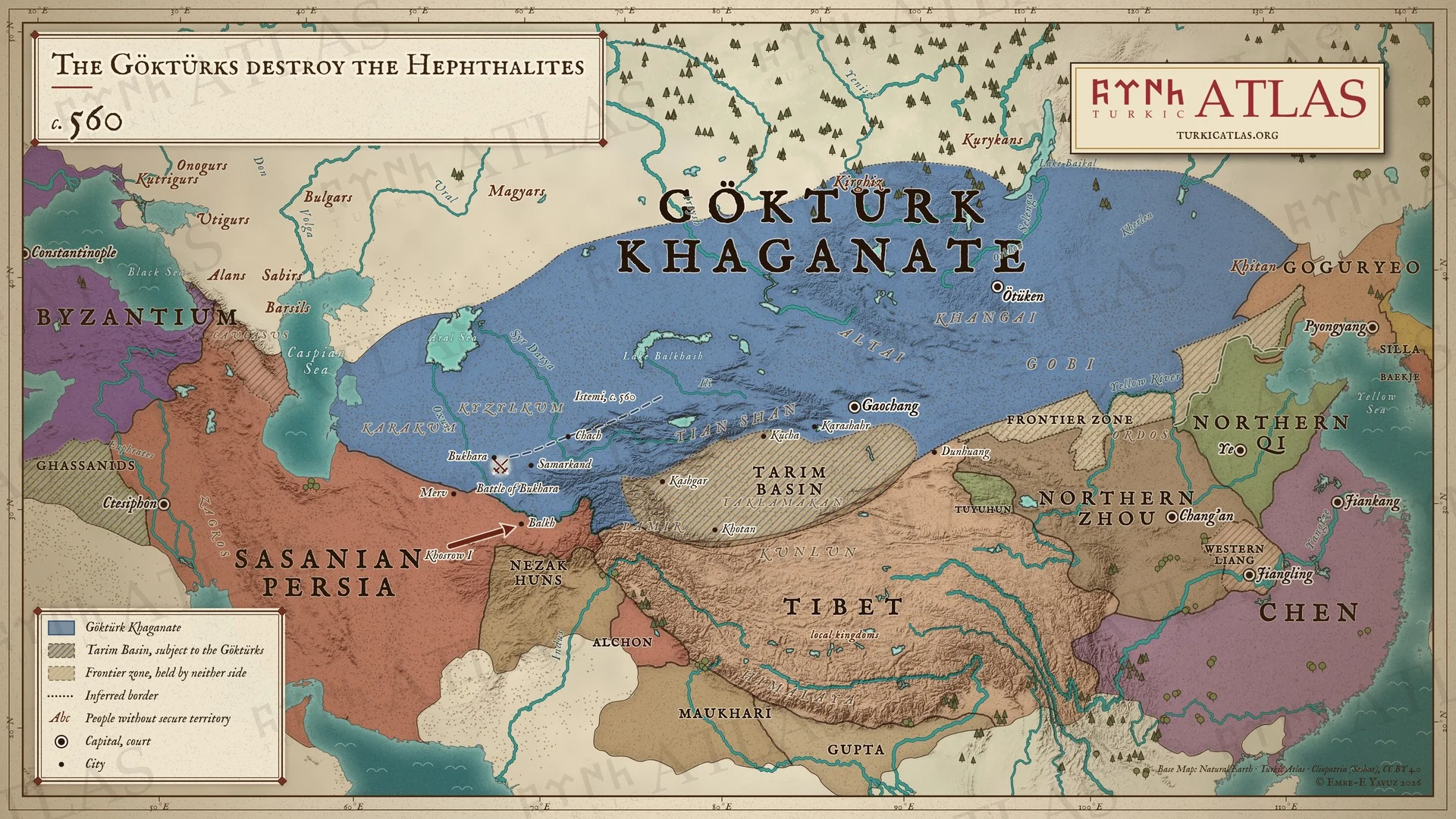
دىنەۋەرى ھەر بىر غالىبنىڭ نېمە ئالغانلىقىنى قوشىدۇ. خوسراۋ ئەفتالىتلارنىڭ توخارىستان، زابۇلىستان، كابۇلىستان ۋە چاغانىيان زېمىنلىرىنى ئالدى. سىنجىبۇ چاچ، پەرغانە، سەمەرقەنت، كەش ۋە نەسەف شەھەرلىرىنى بۇخارانىڭ ئۆزىگىچە ئالدى، يەنى ماۋەرائۇننەھرنىڭ ئاساسلىق قىسمىنى.[1] خوسراۋ بەلخقا يېقىن ئىلگىرىلىگەن چاغدا سىلزىبۇل ئەفتالىتلارغا شىمالدىن ھۇجۇم قىلدى. ئىككى بويسۇندۇرغۇچى شۇنچە يېقىنلىشىپ قالدىكى، ئۇلار جېدەللىشىشكە مەجبۇر بولدى.[1] ئارخېئولوگىيە كۆكتۈرك بويسۇندۇرۇشىنىڭ پەنجىكەنتنى بۇزماي قالدۇرغانلىقىنى ۋە ئەفتالىت كۈمۈشىنىڭ ئايلىنىشتا قالغانلىقىنى كۆرسىتىدۇ.[9]
چېسلا
جەڭ 560-يىل ئەتراپىغا مەنسۇپ، ئىككى پادىشاھنىڭ گۇرگاندا ئۇچرىشىشى شۇ يىلغا مەنسۇپ.[6] بىر ھېساب يوقىتىشنى 557-يىلغا قويىدۇ.[3] ئىككىنچى ھېساب 557-يىلدىن 565-يىلغىچە بولغان تەكلىپلەرنى كۆرۈپ چىقىدۇ. ئۇ مېناندېرنىڭ 568-يىلدىكى ئەلچىلىرىنىڭ «ھەممىسى» دەپ جاۋاب بېرەلىگەنلىكىنى ئاساس قىلىپ، ئاخىرلىشىشنى 563 بىلەن 567 ئارىلىقىغا قويىدۇ.[8] تەبەرى ھېچ بىر يىلنى بەرمەيدۇ، خەنزۇ بابلىرىمۇ بەرمەيدۇ. مېناندېر پەقەت ئەڭ كېيىنكى چېسلا چېكىنىلا بېرىدۇ. ئون يىللىق پەرق خەنزۇ، پارس، ئەرەب ۋە گرېك ھېسابلىرىنىڭ ئۇچراشقان يېرىدىن كېلىدۇ.
ئاقىۋەتلىرى
ئوكسۇس چېگرا بولدى، سوغدىلار ئۇنىڭ كۆكتۈرك تەرىپىدە قالدى. بىرنەچچە يىل ئىچىدە سوغدى سودىگەرلىرى ئىستەمىدىن پارسىيەگە ئەلچىلىك سورىدى، خوسراۋ ئۇلارنىڭ يىپەكلىرىنى كۆيدۈرۈۋاتاتتى ۋە مانىياخ كونستانتىنوپولغا بارىدىغان يولدا ئىدى.[5] Turkic Atlas بۇ داۋامىنى ساسانىي ئىمپېرىيەسى ۋە خوسراۋ ماقالىلىرىدە بايان قىلىدۇ.[5] بۇخارا جەڭدىن سىياسىي ئېغىرلىققا ئېرىشتى. ئۇ سوغدىيانانىڭ پايتەختى بولمىدى. ئۇ غەربتىكى ئاشىنا ئاقسۆڭەكلىرىنىڭ ئورنى، بۆلۈنۈشتىن كېيىن بولسا ئىككى ئىمپېرىيە ئارىسىدا ياتقان شەھەر بولدى.[6] Turkic Atlas شەھەرنىڭ كېيىنكى تارىخىنى بۇخارا ماقالىسىدە بايان قىلىدۇ. ئۇ ئۇرۇشنى پۈتۈن ھالدا ئىستەمى ماقالىسىدە بايان قىلىدۇ.
-
c. 402 Shelun takes the title khagan
Shelun, a fugitive who gathered a following in the Gobi, defeats the Tiele and takes the title khagan. The Wei Shu draws his realm in four directions: in the west the country of Karashahr, in the east the country of Korea, in the north across the desert to the Hanhai, in the south to the great desert. The line between these points is drawn, not recorded.
-
429 Taiwu crosses the Gobi
The Northern Wei emperor Taiwu leaves Pingcheng, crosses the Gobi and scatters the Rouran of Datan at the Li river; his armies sweep five thousand li from east to west. The route is drawn after the Wei Shu; the rivers it names are not located with certainty.
-
460 The Tölös subjected
In the west the Rouran subject the Tölös, that is the Tiele. That their reach then extended to Lake Balkhash and the Seven Rivers is the extent the modern literature gives; the sources do not state it. The Ashina, five hundred families, settle on the southern slope of the Altai as the smiths of the Rouran.
-
487 The Gaoche break away
More than a hundred thousand Gaoche tents under Afuzhiluo leave the khaganate and found a kingdom of their own north-west of Gaochang. The Rouran khan Tulun pursues them, is beaten again and again, and leads his people east.
-
525 Anagui fights for the Wei
In 520 Anagui has brought the Tiele under Rouran rule again; after the Chinese histories their lands reach as far as the Caspian and the Alans. In 523, in a year of hunger, Anagui raids the Six Garrisons on the Wei frontier. In 525, after the garrisons have risen themselves, he leads a hundred thousand men from Wuchuan west towards Woye against the rebels, on the Wei's behalf.
-
545 The Rouran at their height
The Rouran rule the eastern and central steppe; the Ashina in the Altai and the Tiele of Dzungaria are their subjects, and the Tiele range, after the Chinese histories, as far as the Caspian. The frontier drawn here, from the Khingan to the Seven Rivers and from Lake Baikal to the frontier of the Wei, is the extent the modern literature gives.
-
546 Bumin defeats the Tiele
In 546 the Tiele of Dzungaria move against the Rouran. Bumin, chief of the Ashina, intercepts them on the march and defeats them, and more than fifty thousand Tiele tents submit to him. The Ashina are still subjects of the Rouran, but now a power of their own.
-
552 Bumin destroys the Rouran
Early in 552 a Rouran army is beaten in Dzungaria and a second destroyed north of Huaihuang; Anagui dies. The Göktürks take the steppe, and a Rouran remnant holds out in the contested borderland between the Göktürks and China. The extent of the new khaganate follows the modern estimate.
-
553–555 The last Rouran; Istemi marches west
Issik breaks the Rouran of Dengshuzi at Mount Mulai north of Woye, and the remnant in the Northern Qi is destroyed by its hosts in 554. In the west Istemi marches from 553 and, by one reckoning, reaches the Seven Rivers by 555.
-
c. 560 The Hephthalites destroyed
Istemi destroys the Hephthalites and takes the trade of Sogdiana. One reading has him act with the Persian king Khosrow I and divide their lands along the Oxus, in 557 or 560. The route drawn follows one modern reconstruction: the Göktürks take Chach, cross the Chirchik and win after eight days in the hills at Nasaf; a second reading has the decisive fight at Bukhara itself. Khosrow comes up from the south as far as Balkh. In the east Mukan takes the Kirghiz on the Yenisei and the Khitan.
-
568–569 Embassies to Constantinople
Persia shuts its markets to the Sogdian silk. Istemi sends the Sogdian Maniakh to Constantinople, and the Roman envoy Zemarchos reaches him in 569 at a mountain called Ektag. Where Ektag lay is disputed: the Altai and the Tian Shan are both proposed.
-
576 Bosporos
In the year of Istemi's death a Göktürk army takes Bosporos in the Crimea, the western limit of the expansion into Europe. That the western wing then reached the Volga and the northern Caucasus is inferred.
-
581–584 The realm divides
Taspar dies in 581 with the khaganate at what is inferred to be its greatest extent. The succession divides the house, and Ishbara, Apa and Tardush go to war while the Sui take sides. The line between the eastern and the western wing is reconstructed as running from the Altai through Dzungaria to the Dzungarian Gate.
- Place named in a source (position as commonly identified)
- Position disputed or approximate
- Area or line drawn from a description in the sources
- Area as the modern literature gives it
- Subject people or its range (dashed outline)
- Frontier zone between the steppe and China, held by neither side (hatched)
- Movement named in a source (route drawn)
- Route after a modern reconstruction
ئىزاھلار
مەنبەلەر
- تەبەرى (Tabari)
- مېناندېر پروتېكتور (Menander Protector)
- سۇيشۇ (Sui Shu، سۇي كىتابى), juan 84
- جۇشۇ (Zhou Shu، جۇ كىتابى), juan 50
- نەرشەخى (Narshakhī)، بۇخارا تارىخى
ئەدەبىيات
- Emre-E. Yavuz, The Gokturk Empire: 2nd Edition (2025)
- Peter B. Golden, An Introduction to the History of the Turkic Peoples (1992)
- Aydogdy Kurbanov, The Hephthalites: Archaeological and Historical Analysis (2010)
- Étienne de la Vaissière, Sogdian Traders: A History (2005)
- Theodor Nöldeke, Geschichte der Perser und Araber zur Zeit der Sasaniden. Aus der arabischen Chronik des Tabari übersetzt und mit ausführlichen Erläuterungen und Ergänzungen versehn (1879)
- Richard N. Frye (trans.), The History of Bukhara. Translated from a Persian Abridgment of the Arabic Original by Narshakhi (1954)
بۇ بەتكە ئۇلانغانلار9
- شەخسلەر
- ئىستەمى · بىرىنچى خوسراۋ
- States
- ساسانىي پارسىيە
- Places
- بۇخارا · سوغدىيانا · تارىم ئويمانلىقى
- Peoples
- ئەفتالىتلار
ماقالىنى نەقىل كەلتۈرۈش
Yavuz, Emre-E. “بۇخارا جېڭى.” Turkic Atlas, revised 20 November 2026. https://turkicatlas.org/events/battle-of-bukhara/
Last revised: 20 November 2026

