
146 項目
制度と称号
称号、官職、慣習法、そして支配の正統性。
このページとメニューは日本語です。146件の項目のうち83件は日本語でお読みいただけます。残りは英語で、その旨を表示します。
- アジョ(阿熱) 簡略 唐代の史書がエニセイ・キルギスの君主を指して阿熱と書く語。『新唐書』は、支配氏族がこの語から名を取ったと述べる。この語の読みは複数ある。
- 安禪具泥 簡略 「肉」を意味する語 anchan から成るギョクテュルクの称号。『通典』は、安禪具泥を家内の事務を管理する官とする。
- Apa Tarkan 簡略 ギョクテュルクの宮廷の複合官職で、『旧唐書』がトニュククに与える位。アパは指揮権、タルカンは可汗の側での地位を指す。
- 草原帝国の軍制 草原帝国の軍の編成。匈奴の十進の指揮系統、ギョクテュルクの左右両翼と王子の指揮権、可汗の親衛隊、ウイグルの諸部族、そして史料が伝える数字。
- Atabeg 「父なる主」。セルジュークの王子の後見人かつ教育係として王子の上に置かれ、王子の名で州を治めた司令官。いくつかの地では、この官職が王朝に取って代わった。
- アヴァールの工匠 Goldsmiths and metalworkers of the Avar khaganate, who worked in Byzantine techniques for Avar taste. The khagan also brought in foreign specialists, and the Avars bought arms in Constantinople.
-
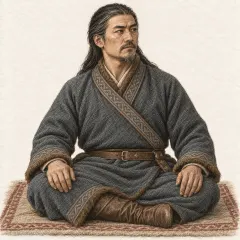 バガ(莫何) 中国の史書が莫何または莫賀と書くギョクテュルクの称号。イシュバラとバガ可汗の称号、およびトニュクク自身の称号ボイラ・バガ・タルカンにある。
- バガトゥル(莫賀咄) 簡略 中国の史書が莫賀咄と書くギョクテュルクの称号。イリグは可汗となる前にバガトゥル・シャドとしてこれを帯び、トン・ヤブグを殺した者は西でこの称号のもとに即位した。
- 白疊(綿花) The cotton cloth of the Turfan oasis. The Liang Shu describes a plant with a cocoon-like fruit and thread inside, woven into soft white cloth that served in trade. The Tang histories repeat it.
- Beg 部族または氏族の長、およびそのような者たちの身分。上の可汗と下の庶民のあいだの位で、オルホン碑のすべての面に名が挙がる。
- 南アルタイの製鉄炉 Early medieval iron-smelting furnaces in the Chuya and Kurai basins of the south-east Altai, the densest cluster in the region. The excavators tie the smelting district to the Göktürks.
- 骨角器の加工 Bone plates of the bow, bone arrowheads, bone fittings of the horse and horn knife handles, with the bowyers who made the composite bow. The sources name the objects and describe no workshop.
- 辺境の互市 ギョクテュルクが家畜を絹と交換した、中国の辺境の市。545年以前に絹を求めて初めて辺境に来て、588年に隋に、624年に唐に市を願い出た。
- 附離(ボリ、親衛隊) 簡略 ギョクテュルクの可汗の親衛隊で、中国の史書は附離(fuli)と呼ぶ。『周書』は、ギョクテュルクが狼から生まれたため、この名は狼を意味すると述べる。
- 家畜による婚資 Betrothal gifts paid in horses, cattle, camels and sheep among the Gaoche, Rouran, Xueyantuo, Uyghurs, Kirghiz and Oghuz. The sums range from the herds of a bridegroom's family to the 20,000 horses of the Uyghur marriage of 821, and one bride-price was lost on the road.
- 草原の青銅鏡 Chinese bronze mirrors in the graves of the Xiongnu and later peoples, and the local copies cast when the supply from China stopped. They came as gifts, as trade goods and as heirlooms.
- Bukhar Khuda 簡略 アラブの征服の前とその下でのブハラの支配者の称号で、ブハラの主。この家は征服を生き延び、カリフのためにトランスオクシアナの軍を率いたが、874年に権力を失った。
- Buyruk 可汗の大臣。碑文はブイルクを可汗の直後に挙げ、治世の良し悪しを彼らにかからせる。734年にはブイルクの一人がビルゲ可汗に毒を盛った。
- ラクダ The camels of the steppe peoples in the Chinese and Muslim sources: a rare animal among the Xiongnu, a gift of tens or thousands from the Gaoche, Göktürks and Uyghurs, and the pack animal of the caravans. The Kimek kept none, because the camel did not live in their country.
- 捕虜と非自由民 草原帝国の襲撃と戦争で連れ去られた人々。匈奴からハザルまで。身代金で解放され、交換され、奴隷にされ、売られ、あるいは亡命者として留められた。身分について史料が示すこと。
- Chakar 簡略 君主の護衛を指すソグドの称号で、領主に結ばれた戦士のこと。チャカルは安禄山の軍で戦い、九世紀のカリフたちはこれに倣って近衛を築いた。
- Chanyu 匈奴の君主の最高の称号で、可汗に四世紀先立つ。『漢書』は完全な称号を撐犁孤塗単于(Chengli Gutu Chanyu)と記し、天の子と注する。
- チェペトゥフ セベオスのアルメニア史で大カガンの軍の司令官が帯びる称号。チェンブフとも書かれる。ある読みは、これを yabgu のゆがんだ形とみる。
- 中国による鉄の輸出禁止 Chinese measures to keep iron from the nomads, from the Han court to a Tang decree of 714. In 177 a Han councillor charged that fine iron had passed to the Xianbei.
- オルホン碑群の中国人工匠 Carvers, builders and painters sent by the Tang court to the Orkhon for the memorials of Kül Tegin and Bilge Khan, 731 to 735. Bilge Khan asked for them, and the emperor did not refuse.
- 鮮卑のもとの漢人の武器工 簡略 Chinese refugees who taught the Xianbei chief Kebineng to make weapons, armour and shields. In 177 a Han councillor had already named Han fugitives as counsellors of the Xianbei.
- Chur 支配家の王子たちの下に位置する指揮の位。二十八の世襲の等級に数えられ、咄陸の翼の五人の首長を指し、カプガン可汗の名にも含まれる。
- Çigşi 簡略 エニセイの墓碑が五つの石に七回載せる称号。中国語の刺史(cishi)、すなわち州の長官に由来し、唐は降伏した部族の首長を、その民の刺史とした。
- フナ諸族の貨幣 簡略 Coins of the Kidarites, Alchons and Hephthalites in Bactria, Sogdiana and northwest India, from the late fourth century to the Göktürk conquest. They are a main source on these peoples.
- 複合弓 角、木、腱を重ねた弓で、騎射を可能にした。匈奴からギョクテュルクにいたる、すべての草原帝国が拠って立った武器である。
- 草原帝国の工匠 How the steppe empires from the Xiongnu to the Uyghurs got their craftsmen: by capture, by invitation and by foreign settlers. The sources name the practice and hardly ever the craftsman.
- 達官 簡略 ギョクテュルクの可汗の周りにいた官人の称号で、達官と書く。玄奘は統葉護可汗の宮廷でその二百人を見た。頡利の従者である胡祿達官の吐谷渾邪は、頡利の墓で死んだ。
-
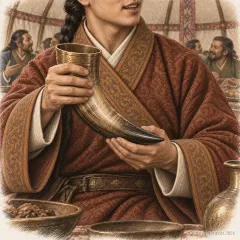 大羅便 簡略 肥えて太った者を指すギョクテュルクの称号で、短くて太い酒器にちなんで名づけられた。『通典』はこれを特に高貴な官とし、子と弟だけが就いたと記す。
-
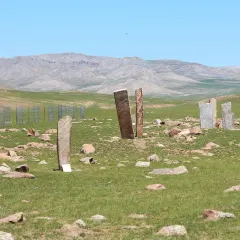 Deer stones 簡略 モンゴルと南シベリアの立石で、青銅器時代後期のもの。様式化された鹿が刻まれている。墓の近くに立ち、東部草原で最古の記念碑的彫刻である。
- Dihqan 簡略 ソグディアナと東イランの地主貴族で、大小を問わない。九世紀にこの階層は地位を失い、十世紀までに、この語は農民を意味するようになった。
- 草原帝国の外交 草原の君主が中国・ペルシア・ビザンツと交わした外交。婚姻同盟、人質、称号、誓約、親族の言葉による書簡。匈奴からウイグルとキルギスまで。
- 可汗に賜られた鼓吹と旗 北中国の宮廷が草原の支配者に与えた、太鼓、管楽器、旗。隋はこれをイシュバラ、バガ、ヤミに与え、唐は可汗に太鼓と大旗を授けて封じた。
- 使節と使節団 草原の宮廷と隣国のあいだで書簡、割符、贈り物を運んだソグド人、王子、大臣。迎えられ、席次を定められ、通訳された様子、道中の危険、その数。
- ヴォルガ・ブルガールの農耕 Grain growing and food storage among the Volga Bulgars in 922. Ibn Fadlan found millet, wheat and barley, harvests that belonged to the sower, a marten skin from each house, and food kept in pits.
- 高昌の農業と租税 The oasis economy of Gaochang, 500 to 640: two harvests a year, an office for water and fields in each town, taxes in silver coin or hemp cloth, and a toll on merchants paid to the Tiele.
- フェルト 簡略 絡み合わせた羊毛で、草原の布地である。天幕、床、外套、鞍敷きになり、織機なしで作られる。
- カーシュガリーの辞典に見るフェルト・布・革・木 Words for felt, cloth, leather and wood in Kashgari's dictionary of the 1070s: raincoat felt, an embroidered Kashgar felt, a weaver's reed, tanning, leather bags, a carpenter's axe and a resin glue.
- 附鄰可汗 簡略 狼と、その殺しへの貪欲にちなんで名づけられた、ギョクテュルクの可汗の称号。『通典』は、そのような可汗がときに立てられたと述べる。
- 匐你熱汗 簡略 酒を指す語に結びつけられたギョクテュルクの称号。『通典』は、熱汗を、悪事に目を配り、席次を守る官とする。
- テュルク系諸民族の毛皮と麝香 草原の北と東の森からもたらされたクロテン、リス、オコジョ、キツネの毛皮と麝香。982年の『フドゥード・アル=アーラム』は民族ごとにそれらを挙げ、ビルゲ・カガンの碑文は贈り物の中にクロテンを挙げる。
-
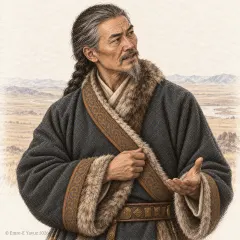 哥利達官 簡略 老いを指す語 geli と達官の位から作られたギョクテュルクの称号。『通典』は、年齢から名を取った初期の称号の一つとして挙げる。
- Ghulam 簡略 カリフと東方のイスラーム諸王朝の奴隷兵で、少年のときに買われ、近習として訓練された。大半はシルダリヤの彼方から来たテュルクで、サマルカンドとチャーチの市場を通じて売られた。
- ギョクテュルクの服装と髪 近隣の人々が見たギョクテュルクの衣服と髪。左で合わせる長衣、毛皮と粗い毛織物、長く垂らすか編んだ髪。585年、ある可汗は、編み髪は改めるには古すぎる習俗だと述べた。
- ギョクテュルクの鉄工 546年以前にアルタイで柔然の鍛冶であった阿史那氏の鉄工。阿那瓌はブミンを自分の鍛奴と呼び、569年にはギョクテュルクが、ソグディアナでローマの使節に鉄を売ろうとした。
- ギョクテュルクの武器 ギョクテュルクの武器。漢文の史書が挙げる、弓、鳴鏑、鎧、長槍、刀、剣である。564年にギョクテュルクとともに戦った周の将軍は、その鎧は貧弱だと述べた。
- オルホン碑文における金と銀 Gold and silver in the Orkhon inscriptions. Chinese envoys bring them to the funerals of Kül Tegin and Bilge Khan, and Bilge Khan names them among the gifts that draw in distant peoples.
- 唐が回紇に贈った金銀の器 Gold and silver vessels that the Tang court gave to the Uyghurs in 757, 758 and 813. In 758 the Uyghur khan shared the whole gift among his officers and chiefs.
- 匈奴宮廷の黄金 Gold in the Xiongnu sources: burials with gold and silver, and a gold-adorned belt with a gold belt ornament that the Han emperor sent the chanyu in 174 BC. The gift of 51 BC again names gold.
- 大可汗 漢文の史書が、ギョクテュルクの可汗の一人を他の可汗の上に置いて呼んだ称号で、大可汗と書く。トゥランは597年にこれを主張し、隋は610年に西を分けるためにこれをシェグイに約束した。
- 漢が単于に与えた賜物 Gifts of the Han court to a chanyu at audience, 51 BC to AD 143: regalia, horses, gold, cash, grain and silk. By 1 BC the silk reached 30,000 bolts, and in AD 50 a yearly gift began.
- 西域の屯田 Farms worked by Han soldiers and convicts at Luntai, Quli, Cheshi and Yixun. The Han and the Xiongnu fought over Cheshi's fields before the Han took the Western Regions in 60 BC.
-
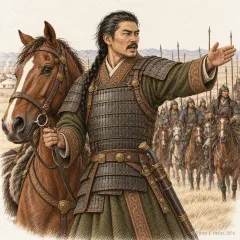 賀蘭蘇尼闕 簡略 馬を指す語 helan と、軍を指揮する官 suni から作られたギョクテュルクの称号。『通典』は、動物から名を取った初期の称号の一つとして挙げる。
-
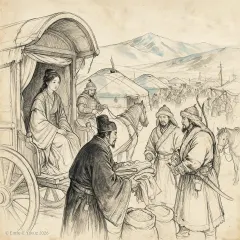 Heqin 白登ののちの、漢と匈奴の取り決め。皇室の花嫁、毎年定められた絹と食物の贈与、開かれた辺境の市、そして二人の君主を兄弟とする誓いである。
- 戦死の誉れ 簡略 漢文の史書がギョクテュルクに帰する価値観。戦いでの死は誉れ、病での死は恥であり、壮年の男は老人より重んじられた。
- 馬具 頭絡、轡、鞍、鐙。付け加えられるたびに騎手にできることが変わった。頭絡はアルタイで紀元前七世紀ごろのものとされる。
- ギョクテュルクの法における馬 The penalties of the Göktürks that name the horse: death for stealing a horse's tether, a repayment of ten times or more for stolen horses, and a horse as the price of a broken limb. The Chinese histories give the rules in one sentence, and the Tuyuhun had a harsher one.
- フン族の青銅釜 Cast copper cauldrons with solid conical stands and scalloped lugs, found from Silesia to the High Altai. They were cooking vessels cast by Hunnic smiths and have close kin in the Xiongnu cauldrons.
- フン族の冠 簡略 Headbands of gold sheet over bronze plaques, set with almandines or glass in cells, from graves between Hungary and Kazakhstan. They are the finest goldwork that archaeology ties to the Huns.
- イディ 簡略 領主、主人を指す古テュルク語の語。キョル・テギン碑文は、土地と水を主人なしに放置してはならないという定式にこれを用い、ラシード・アッディーンはこれをキルギスの貴族の位として挙げる。
- 伊利(イリグ) 簡略 伊利可汗という号の要素。伊利と書く。ブミンが552年、柔然の滅亡後に称した。イシュバラの号も同じ語で始まる。
- Ilteber 服属した君主の位階。自らの民の出ではない可汗のもとで、自分の王座に残された者で、そばに徴税官が置かれた。カフカスからトルファンまで確認される。
- イナル 簡略 ラシード・アッディーンによれば、モンゴル征服以前のキルギスの君主の称号。キメクとオグズにも見え、ある読みは中国語の阿熱をこの称号に当てる。
- Irkin 二十八等の下位にある首長の位階。西の可汗国の弩失畢の翼は五人のイルキンが率い、唐が買収した首長が最も多く帯びたのもこの称号である。
- 抜野古の鉄 簡略 Fine iron of the Bayegu, a Tiele people east of the Pugu, in the Tang histories. The Xin Tang Shu and the Tongdian both name iron among the products of their country, beside good horses.
-
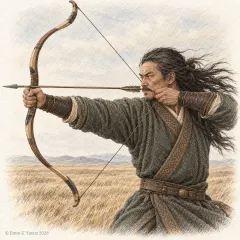 始波羅(称号) 勇敢で強い者を指すギョクテュルクの称号。イシュバラ可汗は号のひとつとしてこれを帯び、キョル・テギンの碑石に見える一人の男は名の前にこれを付け、唐代の二人の西の可汗もこれを保った。
- Katun 可汗の配偶者で、統治の定型句のなかで可汗とともに名が挙がる。碑文は、天が可汗とカトゥンを一緒に立てると記す。カトゥンの摂政が第二ギョクテュルク可汗国を終わらせた。
-
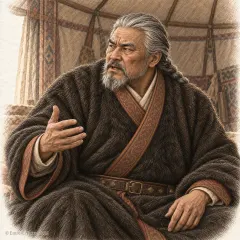 珂羅啜 簡略 「黒」を指す語と位階チュルから成るギョクテュルクの称号。『通典』は、非常に高い職で、高齢の者が就いたとする。
-
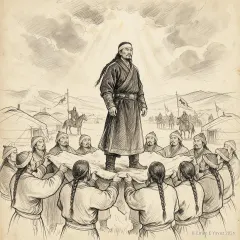 汗(可汗) 草原の最高の君主の称号で、ブミンが552年に柔然から取った。その形、歴史、周囲の位階は、この項目にのみ述べる。
- ハザールの関税と貢納 Revenue of the Khazar khagan: a tenth on goods that crossed his land, and tribute in kind from subject peoples, paid in swords, pelts and money. The Bulgar king passed marten skins up the same chain.
- ハザールの二重王権 ハザールの統治は、君臨する神聖な可汗と、軍を率いて政務を執る王、すなわちベクとに分かれていた。その古さと起源は争われている。
- ハザールの鎖帷子とカフカスの武具職人 簡略 Mail and iron arms in the Khazar lands in al-Masʿūdī. The Khazar king's Muslim guard rode as archers in cuirass, helmet and mail, and a Caucasian people made mail, stirrups, bits and swords.
- キルギスの鉄と金 Metals of the Kirghiz on the upper Yenisei in the Tang histories: gold, iron and tin. The Kirghiz made weapons of their iron, called qiasha, and regularly delivered them to the Göktürks.
- キョル・テギンの馬 The mounts that the Kül Tegin inscription names in the prince's battles: grey, white, brown and chestnut horses, three of them killed under him in one fight. The text gives the colour of each horse and sometimes its name or owner.
-
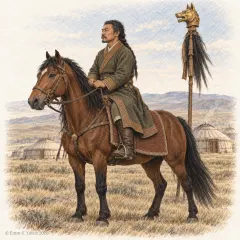 屈律啜(キュリュグ・チョル) 簡略 『通典』と『旧唐書』でギョクテュルクの大官の第一に挙がる職で、屈律啜と書く。世襲で、定員はなかった。
- Kunçuy 簡略 身分のある女を指す語。オルホン碑文は可汗の姉妹と王家の王女たちに、エニセイの墓碑は男の妻に、古ウイグル語の文は王女たちに用いる。
- クルガン 簡略 草原の墳丘墓。土または石の山の下に墓室があり、副葬品を納め、しばしば馬を伴う。青銅器時代からギョクテュルクにいたるまで、草原でもっとも途切れなく続いた慣習である。
-
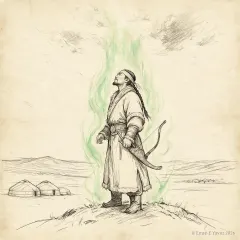 クト クトはテングリが授ける天の幸運であり、人を統治にふさわしい者とした。匈奴の君主の称号の一部をなすこの神秘的な霊威によって、カリスマをもつ草原の戦士たちは支配し、征服することができた。
- 漆器 Chinese lacquered cups, weapons, drums and fans that reached the steppe as gifts and trade, from the princely graves of the Xiongnu to the gift lists of the Wei court for the Rouran and the Gaoche.
- Lesser Khan 簡略 ギョクテュルク可汗国の第二の王座で、可汗の下に置かれた。カプガンは自分の子をこれに就け、キョル・テギンは716年にその子をこの座で殺した。
- レビレート婚 ギョクテュルクで、死者の寡婦を、その子、弟、甥が妻とする婚姻。『周書』と『隋書』がこの規則を記し、中国の公主たちはこれによって可汗から可汗へ移った。
- 『フドゥード・アル=アーラム』の家畜 The herds of the Turkic peoples in the Hudud al-Alam of 982: sheep in every notice, horses in all but the Kimek, cows in four of eight, no camels. Marvazi adds why the Kimek kept none.
- 史書に見る家畜の損耗 Reports of herds lost to snow, drought, locusts and disease, from the Xiongnu of 105 BC to the Uyghurs of 839 and 840. The Chinese annals give the cause and, in several cases, the share of the herds that died.
- 家畜の略奪 Raids for herds in the Chinese histories and the Bilge Khan inscription, from the seven commanderies of the Sui to the Tang horse pastures of Longyou. A raid for sheep and horses brought Ilterish his first following, and Bilge Khan fed a hungry people with a captured herd.
- ロガデス 簡略 プリスコスがそう呼ぶ、アッティラのまわりの有力者たち。オネゲシウス、スコッタス、エデコ、ベリクス、オレステス。使節や護衛を務め、国の一部を治めた。
-
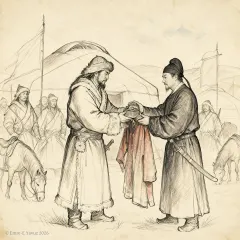 Loose-rein prefectures 降伏した草原の諸民族を取り込まずに統治する唐の仕組み。部族は丸ごと保たれ、その首長が州の長官とされ、単位は台帳に記された。
- カーシュガリーの辞典に見る金属と金属加工 Words for metals and metalwork in Kashgari's dictionary of the 1070s: gold, silver, copper, iron, a smelting place, bellows, a copper mountain and a fortress above gold mines.
- イブン・ファドラーンの記すオグズの家畜 Sheep, horses and camels of the Oghuz in the winter of 921 and 922. Ibn Fadlan saw men with 10,000 horses and 100,000 sheep, flocks that grazed through the snow, and a trade in which merchants from Khwarezm bought sheep and left camels and horses with Oghuz hosts.
-
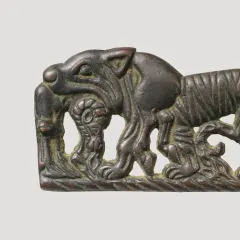 Ordos bronzes 簡略 北方辺境の、動物意匠の青銅の飾り板、留め金、金具で、紀元前六世紀ごろから現れる。匈奴の世界と、それ以前の世界の物的な記録である。
- オルドゥ 君主の宿営。草原の国家の移動する中心であり、宮廷、親衛隊、宝庫がそこにあった。この語はホルドとしてヨーロッパに伝わった。
- Post and Communication ギョクテュルクの可汗たちと、その部下や隣国のあいだで、言葉がどう伝わったか。使者、書簡、ソグド文字とルーン文字、印章、刻み目をつけた木、矢、継ぎ馬、そして史料が述べないこと。
- テュルク系諸民族の原料と交易 テュルクの地における鉄、塩、貴金属、毛皮、玉、馬、絹と、それらが動いた市場と商人。アシナはアルタイで鉄を鍛え、ウイグルは馬を絹と交換した。
- ウイグル・カガン国の瓦 Unglazed clay tiles in the Chinese pattern, made locally for the walled seats of the Uyghur khans and for the Göktürk memorials before them. They show Chinese methods at work in the steppe.
- 薩保 Chinese title for the head of a foreign community, above all a Sogdian one. It renders the Sogdian sartapao, caravan master. The post is attested from the sixth century to the early eighth.
- テュルク系諸民族と塩 テュルクの地の塩。トゥヴァのドゥス=ダグの岩塩鉱床、イルティシュ草原の塩湖、982年の『フドゥード・アル=アーラム』にみえるカルルク七部族の湖。商人はキメクに塩を運んだ。
- Saŋun 簡略 中国語の將軍 jiangjun、すなわち将軍から取り入れた称号。オルホン碑文の形 seŋün は中国人の将軍や使節団の長を指す。エニセイの墓碑は saŋun を十一回載せる。
- 季節ごとの牧地 The movement of the steppe peoples from winter to summer grazing, as the Chinese and Muslim sources record it. The Chinese say the peoples followed water and grass. A few sources name a winter and a summer place, and Tonyukuk gives the reason the Göktürks refused to live behind walls.
- シャド 翼または服属した民の指揮権で、阿史那氏の王子に限られた。ビルゲ可汗のおじは、彼をタルドゥシュのシャドにした。この職は、可汗の後継者が試される場でもあった。
- 羊 The sheep of the steppe peoples in the sources: a main animal of the Xiongnu and of every people in the Hudud al-Alam, a payment in bride-prices and tribute, and the meat that the Tang and the Xi supplied to Uyghur armies. Ibn Fadlan saw Oghuz owners of 100,000.
-
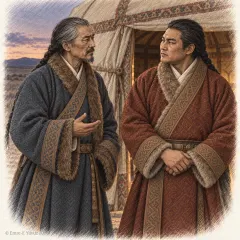 俟発 簡略 西ギョクテュルクの官職。俟發と書く。『隋書』は、これを閻洪達とともに、国政を評議した会議として挙げる。
- 草原の絹 Chinese silk in the steppe from the 540s to 840: bought at the frontier, paid as peace money, traded for horses, used as currency and sold on to the west by the Sogdians.
- Six Garrisons 簡略 柔然に備え、北魏が河套平原に沿って置いた辺境の砦の列。524年のその反乱は王朝を崩し、二つの魏を生んだ。
- 髑髏杯 討ち取った敵の支配者の頭蓋骨から作った飲杯。中国の史書は匈奴と柔然のあいだにこれを記録し、ビザンツの年代記はクルムのブルガール人のあいだにこれを記録する。
-
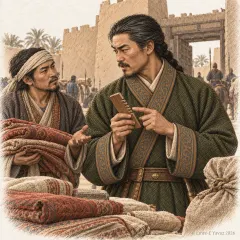 索葛吐屯 簡略 髪を指す語「索葛」と官位の吐屯からなる、ギョクテュルクの称号。『通典』は、この官職を中国の州の官吏にたとえる。
- タイサン 簡略 テオフィラクトス・シモカッテスが記す、中国であるタウガストの支配者の称号。これは「神の子」と説明される。この報告は、ギョクテュルクの使節とともにコンスタンティノープルに届いた。
- 刻木と金の矢 徴発の記録を示すギョクテュルクの方法。兵、馬、家畜の数を木に刻み目として刻み、鏃が金または金属である矢とともに蝋で封じて、信用のしるしとした。
- タムガ 簡略 家や部族の印。家畜に、岩に、貨幣に刻まれた。所有と系譜のしるしであり、近しい家は近しい印を帯びる。
- Tarkhan 租税の免除を伴う指揮の位。ローマの使節が宮廷の内側からこれを記録し、トニュククもアパ・タルカンという複合形でこれを帯びた。
-
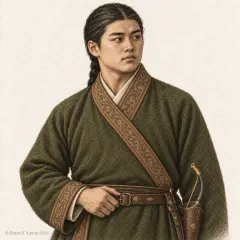 テギン(特勤) ギョクテュルクの可汗の息子たちと弟たちの称号で、『周書』の大官の第三。キョル・テギンはこれを名のなかに帯びた。
- Terken 簡略 三つのエニセイ墓碑に現れる高い位の称号で、うち二つではボギュ・テルケンという名の一部である。のちの宮廷は支配者の妻にこれを用い、この称号が女性だけのものであったかどうかについて研究者の意見は分かれる。
- 草原帝国の経済 匈奴からウイグルまで、草原の諸民族が何によって暮らしたか。家畜と牧地、農耕、鉄と塩、工匠、市場、貢納、貨幣、ソグド商人。
- ギョクテュルクの誓い ギョクテュルクのあいだの誓約。使節はユスティヌス2世の前で手を挙げ、わが身に呪いをかけて誓い、イリグ可汗は626年に便橋で唐の皇帝と盟を結んだ。
- 鉄の誓い Oath of the Qirqiz, Yabaqu and Qifchaq in Kashgari's dictionary. The swearer faced a drawn sword and prayed that the iron go in blue and come out red if he broke the treaty.
- 十二年の動物周期 ギョクテュルクの年の数え方。十二の年が一巡し、それぞれが動物の名で呼ばれる。碑文がこれを証し、十一世紀の辞典がその全体を挙げている。
-
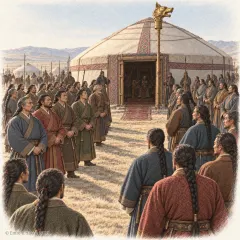 二十八等 葉護から下に続く、ギョクテュルクの世襲の官職の序列。『周書』と『隋書』は二十八等と数える。『通典』は初期の十等を数え、その名を説明する。
- 西面可汗と南面可汗 簡略 国の一つの側にちなんで呼ばれた可汗で、西面可汗と南面可汗と書く。タルドゥシュはかつての西面可汗であった。隋は、シビの力を分けるために南面可汗を計画した。
- テリスとタルドゥシュ ギョクテュルクの碑文に現れる二つの民で、イルテリシュが組織し、葉護とシャドを与えた。国の東半と西半と読まれている。
- 僮僕都尉 Xiongnu office over the oasis states of the Tarim Basin, seated between Yanqi, Weixu and Yuli. It taxed the states and drew supplies from them until the Rizhu King went over to the Han in 60 BC.
-
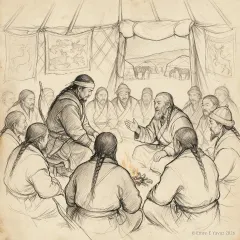 テョレ ギョクテュルクの慣習法。継承、刑罰、婚姻、葬送、そして土地から取ってよいものの限度を定めた。君主もほかの誰とも同じようにこれに縛られた。
- ホドゥード・アル=アーラムにおけるテュルクの町と村 The settlements of the Turkic countries in the Persian geography of 982. The Karluk had towns, villages and fields, the Yaghma little agriculture, and the Kirghiz no town but the seat of their khan.
-
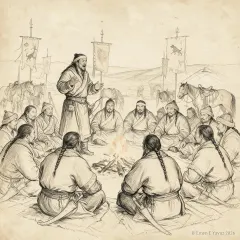 トイ 阿史那氏の貴族の集会。542年にブミンを葉護に推し、毎年祖先の洞窟で集まり、581年には死んだ可汗の望みに反して可汗を選んだ。
- 草原の交易路 史料が伝える草原とオアシスの道。拂菻に至る北道、スイアブへの道、タリム周縁の道、ゼマルコスの道、ウイグルの長安への道、ヴォルガ・ブルガルへの道。
- 朝貢使節と賜与 Exchange between a steppe ruler and a Chinese court. The ruler's envoys brought tribute, the court answered with bestowals and yearly payments. The words claimed rank for the court.
- Tudun 可汗が従えた国に残した監督者。その国の支配者を監督し、貢納を取り立てた。『周書』はこの官を、可汗国の大官の第五に置く。
-
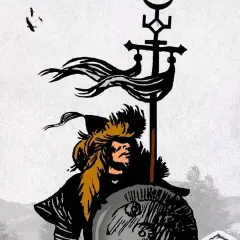 トゥグ 草原の支配者の軍旗。金属の飾りと馬の尾をつけた竿で、可汗の前に掲げられ、尾の数で数えられた。権威の目に見えるしるし。
- テュルギシュとカルルクの貨幣 Copper coins with Sogdian legends and Turkic tamgas, struck in the Chu and Talas valleys in the eighth and early ninth centuries. 533 coins found at Taraz are the largest published group.
- Tutuk 総督または部族長の位。中国語の都督、軍の総督から取られた。オルホン碑文はこれを中国の指揮官とアズの総督に与え、エニセイの墓碑には十四回現れる。
- ウイグルの農耕 Grain growing in the Uyghur khaganate, 744 to 840. The Uyghurs began as herders and raised towns within a generation. An Arab envoy found villages and farmland on the road to the capital.
- ウイグルの馬と絹の交易 Exchange of Uyghur horses for Tang silk from 757 to the fall of the khaganate in 840. The Uyghurs asked forty bolts of silk a horse. The Tang paid single sums of 200,000 bolts and more.
- 草原諸民族の車 Wooden wagons of the steppe peoples: the camp wagons of the Huns, the high-wheeled carts of the Gaoche and the felt carts of the Göktürks. The sources name them and never say how they were built.
- 草原帝国の戦い方 草原帝国の戦い方。馬と弓、月と季節、斥候、偽装退却と奇襲、略奪と攻城、狼の旗、可汗の評議、そして戦いの後に続いたこと。
- テュルク系諸民族の女性 匈奴の閼氏からヴォルガまで、草原の諸民族の宮廷にいた女性たち。后妃は王位継承に関わり、公主は条約を運び、オルホンの碑は可汗の母の名を記す。
- 木材と木工 Timber and wooden work among the steppe peoples: planks for coffins, felled timbers, gilded pillars at a Göktürk court, wooden cups and figures, and the khadang and khalanj woods of the Hudud.
- Worthy Kings of the Left and Right 匈奴の宮廷の四つの大王位のうちの二つ、左賢王と右賢王。左賢王は第一の位で、東を治め、たいてい後継者であった。右賢王は西を握った。
- 匈奴の農耕 Grain growing and storage among the Xiongnu. The Shiji denies them tilling, the Han Shu records crops, granaries and farmers, and excavated settlements hold wheat, barley and millet.
- 匈奴の家畜 The animals of the Xiongnu as the Shiji, the Han Shu and the Hou Han Shu give them: horses, cattle and sheep in the herds, camels, donkeys and mules besides. The annals count the herds in booty, gifts and trade, and one Han general was accused of inflating his count.
- 匈奴の鉄工 Iron of the Xiongnu: knives and iron-shafted lances in the Chinese histories, a smelting furnace at Ivolga and slag at seasonal camps in the Khanui valley. Iron-making was small and widespread.
- 匈奴の土器 Grey, coil-built and partly wheel-finished household pottery of the Xiongnu, with narrow-necked jars and flat-rimmed bowls. It was made locally in the valleys where it was used.
-
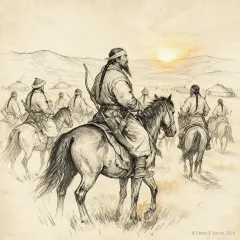 葉護 ギョクテュルクの序列で第二の位。西の翼の支配者が帯びた。イステミは50年にわたってこれを帯び、可汗の称号を求めることはなかった。
-
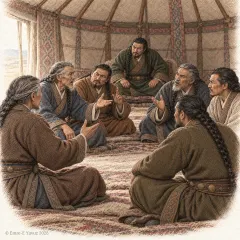 閻洪達 簡略 西ギョクテュルクの官職で、閻洪達と書く。『隋書』は、国政を評議した会議として、この官職を俟発とともに挙げる。
- 遺可汗 簡略 家の可汗。ギョクテュルクの大家族が互いに呼びかけた称号。『通典』は、家を表すギョクテュルクの語 yi からこれを導く。
-
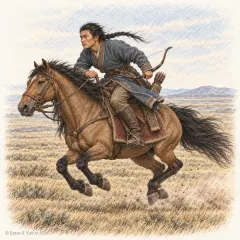 英賀弗 簡略 勇ましく強い者を指すギョクテュルクの語で、『通典』が始波羅と並べて挙げる。体から名を取った初期の称号の一つである。
画像の出典
- バガ(莫何): A Göktürk nobleman seated on a felt rug, in a modern drawing. © Emre-E Yavuz 2026
- 大羅便: A holder of the title at a feast with a drinking horn, in a modern illustration. © Emre-E Yavuz 2026
- Deer stones: Deer stones at Uushgiin Uvur in Mongolia. Photograph: Bernard Gagnon, 2023, CC0.
- 哥利達官: An elder officer of the khaganate in a modern illustration: the age that the title names. © Emre-E Yavuz 2026
- 賀蘭蘇尼闕: A commander with his horse before his riders, in a modern illustration: the horse and the command that the title names. © Emre-E Yavuz 2026
- Heqin: Heqin in a modern illustration. © Emre-E Yavuz 2026
- 始波羅(称号): A Göktürk archer in a modern illustration: the strength and courage that the title names. © Emre-E Yavuz 2026
- 珂羅啜: An aged dignitary in a modern illustration: the high office that men of great age held. © Emre-E Yavuz 2026
- 汗(可汗): Khan (Khagan) in a modern illustration. © Emre-E Yavuz 2026
- 屈律啜(キュリュグ・チョル): A Göktürk chur on horseback before a camp, with a golden wolf-head standard behind him, in a modern drawing. © Emre-E Yavuz 2026
- クト: Kut in a modern illustration. © Emre-E Yavuz 2026
- Loose-rein prefectures: Loose-rein prefectures in a modern illustration. © Emre-E Yavuz 2026
- Ordos bronzes: Bronze plaque of a tiger devouring a ram, attributed to the Xiongnu, about the second century BCE. The Metropolitan Museum of Art, New York, 49.132, Rogers Fund, 1949, Open Access, public domain (CC0).
- 俟発: Two Göktürk dignitaries in conversation at the entrance of a felt tent at dusk, in a modern drawing. © Emre-E Yavuz 2026
- 索葛吐屯: An officer with a comb at a walled market town, in a modern illustration: the hair of the title's name and the office likened to a prefect's. © Emre-E Yavuz 2026
- テギン(特勤): A young Göktürk prince, a tegin, in a modern drawing. © Emre-E Yavuz 2026
- 二十八等: The officers of the khaganate before the khan's tent in a modern illustration, beneath the standard with the golden wolf's head. © Emre-E Yavuz 2026
- テョレ: Töre in a modern illustration. © Emre-E Yavuz 2026
- トイ: Toy in a modern illustration. © Emre-E Yavuz 2026
- トゥグ: A steppe warrior beneath a standard with a metal finial and long streamers, in a modern drawing. Drawing: signed jonele_art.
- 葉護: Yabgu in a modern illustration. © Emre-E Yavuz 2026
- 閻洪達: Elders of the western Göktürks in council inside a felt tent, the khan listening at the back, in a modern drawing. © Emre-E Yavuz 2026
- 英賀弗: A Göktürk rider at the gallop in a modern illustration: the bravery and strength that the word names. © Emre-E Yavuz 2026

