
92 項目
民族
民族名と、名を持つ民。
このページとメニューは日本語です。92件の項目のうち87件は日本語でお読みいただけます。残りは英語で、その旨を表示します。
中核記事
-
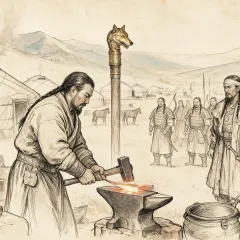 ギョクテュルク 阿史那氏が治めた民の自称で、八世紀のルーン文字の碑文に証される。
-
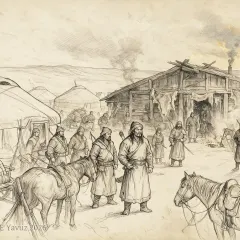 フン族 370年代にヨーロッパに入り、アッティラのもとでコーカサスからライン川まで支配した遊牧民。その帝国は453年のあとに崩壊した。匈奴との同一性は論じられている。
-
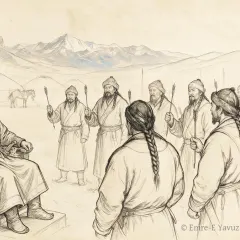 On Oq 十箭。ウチ・トゥグルの五部がスイアブの東に、弩失畢の五部が西にあり、首長はそれぞれ矢を一本もった。西ギョクテュルクは630年以後、これに解体した。
-
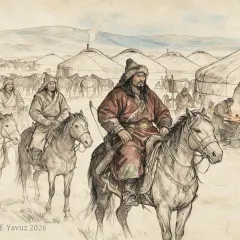 Rouran 柔然可汗国の民。552年まで阿史那氏の宗主であった。『魏書』では東胡と鮮卑の出、通常の分類ではパラ・モンゴル系。
-
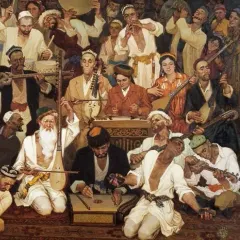 Uyghurs トクズ・オグズに属する鉄勒の民で、柔然、ついでギョクテュルクに従った。744年に最後のギョクテュルク可汗を倒し、九十六年間オルホンを支配した。
-
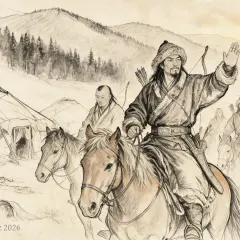 Xianbei 一世紀に匈奴から東方草原を奪い、その次の秩序を与えた民。柔然の支配家と北魏の拓跋氏は、彼らから出た。
-
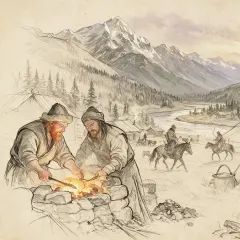 Yenisei Kirghiz エニセイ川上流に住んだ謎の多いテュルク語系の民族で、鉄と金で知られる。大半の時期はギョクテュルク帝国の一部であったが、ウイグル可汗国と、ウテュケンを中心とする支配の天命に終止符を打った。
- Abusi 簡略 鉄勒の部族で、『唐会要』が挙げるトクズ・オグズの八番目。天宝年間ののちにはじめて、ほかの部族と同列に置かれた。唐に降った首長の名でもある。
-
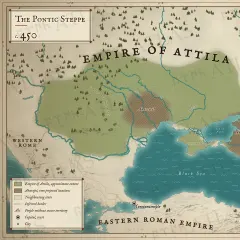 アカツィール 黒海の北の草原にいた、多くの首長に治められた遊牧の民。アッティラは440年代にこれを服属させ、長子をその上に置いた。サラグルは463年ごろにこれを破った。
- Alans ドン川の彼方とカフカス北部の草原にいたイラン系の遊牧民。フン族は370年代に彼らを服属させ、576年にはギョクテュルクの王子テュルク・シャドが彼らを可汗国の奴隷の数に入れた。
- アルコン・フン カーブル渓谷、ガンダーラ、北インドの匈奴系王家。バクトリア語のalxonoを刻む貨幣で知られる。キンギラ、トラマーナ、ミヒラクラがその名で統治した。インドの文献はフーナと呼ぶ。
- アミルズール 簡略 五世紀のドナウ川下流にいた民。ローマ人のもとへ逃れたためにフン王ルアが戦おうとした民のうち、最初に名を挙げられる。ヨルダネスは名を二つに分ける。
- アンギスキリ 簡略 460年代にアッティラの子デンギジクに最後まで従った者たちのうちの一部族。ヨルダネスだけが名を挙げる。名はテュルク語かもしれず、草原のスキリを意味するのかもしれない。
-
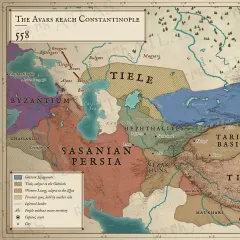 Avars 796年までパンノニアに可汗国を保った草原の民。その可汗と支配貴族はおそらく柔然の出で、可汗の称号は彼らとともにヨーロッパに来た。
- アズ 西サヤン山脈とアルタイのあいだの山地にいた民。ギョクテュルクの碑文でキルギスと並べて名が挙がる。アズの一人が暾欲谷を案内し、闕特勒は彼らのイルテベルを捕らえた。
- バルドル 簡略 460年代にアッティラの子デンギジクに最後まで従った者たちのうちのフンの一部族。ヨルダネスだけが名を挙げる。名はテュルク語と読まれてきた。
- Basmïl 天山の北の北庭の地にいたテュルク系の民。唐に第二可汗国への対抗として用いられたが、742年に最後の阿史那氏の可汗に対して蜂起し、744年に倒れた。
- Bayirku 九姓の鉄勒の民で、オルホン川の北東にいた。テュルギ・ヤルグン湖で闕特勒に破られた。その落ち武者の一人が、716年に默啜可汗を殺した。
- ビットゥグル 簡略 460年代にアッティラの子デンギジクに最後まで従った者たちのうちのフンの一部族。その一部は、のちに488年のイタリアへの進軍でオストロゴート族に加わった。
- ボイスキ 簡略 五世紀のドナウ川下流にいた民。ローマ人のもとへ逃れたためにフン王ルアが戦おうとした民のうちの一つ。名はケルト語と読まれてきた。
- 駁馬 北の海に近い遠い北の民で、乳をとるために飼うまだらの馬から名がついた。樺の樹皮の下に住み、しばしばキルギスと戦った。
- Bugu 簡略 トクズ・オグズを構成する鉄勒九部の一つ。唐に仕えて安禄山と戦い、のち自ら反乱を起こした僕固懐恩は、この部の首長家の出である。
- Bulgars 簡略 ポントス草原のテュルク系の民。七世紀なかばに西の草原が分裂したとき、ブルガール連合とハザールという二つの国が残った。
- チク エニセイ川上流の、川とサヤン山脈のあいだにいた民。キルギス、アズとともに名が挙がる。ビルゲ可汗は、ケム川を越えてオルピンでその軍を破った。
- Chumukun 簡略 西ギョクテュルクの部族。唐の史書が、十箭の東翼である咄陸のもとに挙げる五部族のうち、最初のもの。その首長はチュルの位を帯びた。
- Cimmerians 簡略 紀元前1000年から800年ごろ、スキタイ人に先立って西方の草原を押さえた騎馬遊牧民。その襲撃はアッシリアに及んだ。何者であったかは今も争われており、一つの民族とも、騎馬の一団を指す語とも見られている。
- Dingling 北方の民。紀元前201年ごろ冒頓単于(バガトゥル)に服し、紀元前一世紀には匈奴を襲う者となった。ある導出の筋は、鉄勒をこの民に結びつける。
-
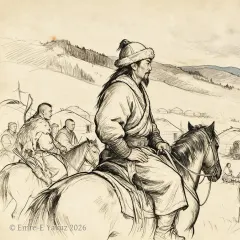 Donghu 匈奴の東の隣人。紀元前206年ごろ冒頓単于(バガトゥル)に滅ぼされた。鮮卑と烏桓は、その残存者に由来するとされる。
- 都播 ウイグルの北、小さな海の南にいた鉄勒の一つの民。狩りをして暮らし、ユリの根を食べた。『新唐書』は、都播を弥列、哥餓支とともに木馬突厥として挙げ、キルギスが服属させることができたとする。
- Ediz 簡略 795年からウイグルの可汗を出したオグズ九姓の一部族。当初から九姓に属していたのかどうかは争われている。
-
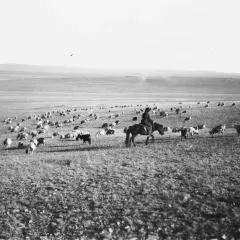 ユーラシアの遊牧民 ハンガリーから満洲まで続く草原地帯の牧畜の民と、その共有した生活様式。羊と馬で暮らし、定住する隣人との交易、貢納、略奪に頼っていた。
- フリ イスラーム世界の地理学者が、キルギスの東にいる森と沼沢の民として記す。Fūrī、Qūrīと綴られ、『フドゥード』では人食いとされる。ふつうはクリカンとみられる。
- ゲピド族 簡略 ゲルマン系の民で、アッティラのもとのフン族に服属した。王アルダリックは、アッティラの息子たちに対して服属民を率い、454年のネダオ川で勝利し、ダキアのフン族の拠点を取った。
- ゴート人 簡略 黒海の北とドナウ川下流にいたゲルマン系の民。370年代にフン族が東ゴート人を破り、アッティラの死後まで支配した。西ゴート人は451年にガリアでアッティラと戦った。
- Gulun Wugu 簡略 鉄勒の部族。『唐会要』ではオグズ九姓の九番目に挙げられ、天宝年間ののちにようやくほかの部族と同列に置かれた。
- 黒車子 黒い車の民と呼ばれ、843年以後、ウイグルの烏介可汗(オゲ)が身を寄せた。『新唐書』は、唐の褒賞のためにこの民が烏介を殺したとする。唐の書簡は、この民を室韋の一部とする。
-
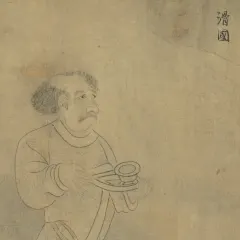 Hephthalites 中央アジアのフン系の勢力の最後のもの。一つの民族というより連合であり、560年ごろ、イステミとホスロー1世に挟まれて滅ぼされた。
-
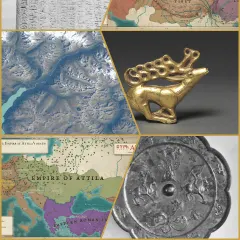 History of the Turkic peoples The history of the Turkic-speaking steppe peoples, with their land, economy and belief, from the Bronze Age through the Xiongnu and the Göktürk and Uyghur khaganates to the Kirghiz and the Khazars.
- Hu 簡略 北と北西の諸民族を指す中国語。漢代の文献では匈奴を指す。ギョクテュルクと唐の時代には、おもにソグド人などイラン語の話者を指す。
- Hun (Tiele tribe) 簡略 オグズ九姓を構成する鉄勒九部の一つ。首長の地位は数世代にわたって一つの家にとどまり、フン・シージーが部を率いて唐に仕えた。
- イティマル 簡略 五世紀のドナウ川下流にいた民。ローマのもとへ逃れたため、フン族の王ルアが戦おうとした民の一つ。起源は不明である。
- Jie 簡略 四世紀の中国の記録が匈奴に数える集団。石勒はこの集団から後趙を建てた。記録された羯の言葉の一文が、起源をめぐる議論を支えている。
- カバル 内戦のあとハザール可汗国を離れ、ハンガリーの部族連合に加わったハザール系の集団。コンスタンティノス7世は、カバルを連合の最初の氏族と呼ぶ。
- Kangju 漢の史書に見えるシル川中流の遊牧勢力で、のちにソグディアナの主となった。郅支を西へ招き、郅支は紀元前36年にそこで殺された。その名は康となり、ソグド人の中国名の姓となった。
- Karluk アルタイのテュルク系の部族集団。627年ごろ統葉護可汗に背き、745年ごろ西ギョクテュルクの地へ移り、751年にタラスで唐の側からアラブの側へ寝返った。
- ハラジ 簡略 711年のバクトリア語の文書と十世紀の地理学者に名の見える、アフガニスタンのテュルク語を話す民。その言葉は中央イランに残っている。
-
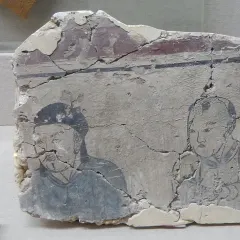 Khitan 鮮卑と満洲のあいだの松の荒野の民。440年代から北魏に貢納し、ムカンのもとでギョクテュルクに東へ追われ、オルホンの記念碑の弔問者に名が見える。
- Kidarites 創始者キダーラにちなんで呼ばれるフン族の王朝。バクトリアとガンダーラを取り、440年以後はソグディアナも取った。『魏書』は匈奴と呼ぶ。456年からサーサーン朝とエフタルに弱められた。
- Kimek 簡略 イルティシュ川流域と西シベリア、カザフスタンの草原にいた、カルルクの北のテュルク系部族連合。これに属したキプチャクが、のちにその地位を占めた。
- Kipchak 簡略 北方草原のテュルク系の民。カーシュガリーはその言葉をオグズの言葉と並べ、のちのアラビア語とペルシア語の著者たちは、その名を西方草原の全体に用いる。
- Kotzager 簡略 タルニアフとともにギョクテュルクのもとから逃れてヨーロッパへ入り、アヴァールの可汗に加わった民。ある読みは、クトリグルと同一視する。
- 骨利幹(クリカン) 砂漠の北にいた鉄勒の民で、唐の史書の骨利幹。馬で知られた。ギョクテュルクの碑文は、三姓クリカンを創始者たちの葬儀の弔問者として、また再興された可汗国の敵として挙げる。
-
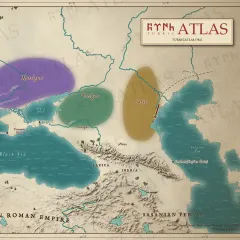 Kutrigurs アゾフ海の西にいたフン系の草原の民で、ウティグルと近縁。550年代にローマのバルカンを襲い、ギョクテュルクが来るとアヴァールとともに西へ向かった。
- キシュトゥム 『フドゥード・アル=アーラム』にキルギスの国の山地の民として K.SAYM の名で見え、毛皮と麝香の狩人であった。復元された名キシュティムは、のちにキルギスの従属民を指す。
- ネザク・シャー カピサ、カーブル、ガズニの王。牛頭の冠とパフラヴィー語銘Nezak Malkaをもつドラクマ貨で知られる。フン、土着の支配者、西テュルクの王家など、解釈が分かれる。
- Nushibi 簡略 十箭の西の半分で、五人のイルキンのもとにあった五部。咄陸とともに、西の可汗国の部族の本体をなした。
- Oghuz 簡略 西方草原とシル川にいたテュルク系の民。カーシュガリーはその言葉をテュルク語の二大方言群の一つとし、セルジューク家はその部族キニクの出である。
- Ogurs プリスコスが463年ごろ、サビルに西へ追われた部族のなかに挙げた草原の民。一世紀後、その首長はヴォルガ川の西の地をイステミのために保っていた。
- Onogurs カフカスとアゾフ海の北の草原にいた民で、プリスコスが463年ごろに名を挙げた。560年代にギョクテュルクの覇権下に入った。のちのビザンツの著者たちは、その名をブルガールに結びつける。
- ペチェネグ 簡略 九世紀後半にヴォルガ・ウラル地方からポントス草原に入ったテュルク系の草原の民。十世紀のビザンツにとって最大の草原の隣人であり、その力は1091年に終わった。
- Qibi 簡略 鉄勒の部族で、『唐会要』にいうトクズ・オグズの九部のひとつ。その首長たちは七世紀に唐の将軍として仕えた。
-
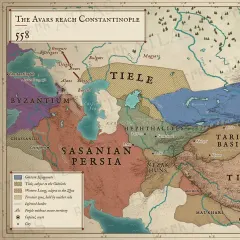 Sabirs 六世紀の初めからカフカスの北とヴォルガ川下流にいた草原の民。ローマのためにもペルシアのためにも戦い、その連合はギョクテュルクに吸収された。
- Saka カザフスタンからタリム盆地にいたる東イラン系遊牧民のペルシア語名。アケメネス朝の碑文は彼らを四種に数え、一つの集団はシスタンにその名を与えた。
-
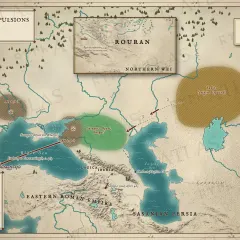 サラグル 簡略 463年ごろ黒海北方の草原に現れたオグル系の民。サビルに押されて西へ移り、アカツィールを破り、コンスタンティノポリスに同盟を求め、イベリアとアルメニアを襲った。
- Sarmatians スキタイ人から西方の草原を奪ったイラン系の遊牧民。東からの圧力に押されて西へ進み、紀元前二世紀のその圧力は匈奴の台頭にたどることができる。
- Scythians 紀元前八世紀から西方の草原を支配したイラン系の騎馬遊牧民。ヘロドトスが記す彼らの習俗のうち三つは、匈奴とテュルク系諸民族にも現れる。
- 沙陀 簡略 西ギョクテュルクの流れをくむテュルク系の連合。ウイグルの敵となり、唐の軍事的な支えとなったのち、中国北部に王朝を建てた。
- 室韋 契丹の北、モンゴル東部と黒竜江省にいた諸民族。ギョクテュルクの吐屯を通じて支配された。848年、七つの室韋の氏族が最後のウイグルを抱えたが、キルギスが連れ戻した。
- Sijie 簡略 唐の史書が、トクズ・オグズ連合の一部として名を挙げる鉄勒九部の一つ。
- Sogdians ザラフシャン川流域のイラン語を話す民で、中央アジアの商人。ギョクテュルクに文字、官房、使節、絹の交易を与えた。
- ソロスギ 簡略 マルグス条約ののち、ブレダとアッティラが戦ったスキティアの民。プリスコスが一度だけ名を挙げ、ほかの史料は触れない。
- Tarniach 簡略 ギョクテュルクのもとからコツァゲルとともにヨーロッパへ逃れ、アヴァールの可汗に合流した民。テオフィラクトスは彼らをウアルとフンニの出とする。
- タシュティク文化 エニセイ川流域のハカス・ミヌシンスク盆地の考古学文化。彩色した石膏の仮面を伴う墓で知られる。担い手が誰か、初期のキルギスとの関係は議論がある。
- タタル モンゴル東部の連合で、ギョクテュルクの碑文の三十姓タタルと、ウイグルの石碑の九姓タタル。建国者を弔う者であり、のちに再興された可汗国の敵となった。
- ステップの大帝国 匈奴からハザールまで、台頭の順に見る草原の大帝国。各帝国の建国、支配家、中心、版図、終焉。
-
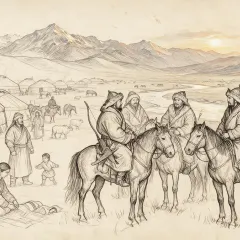 鉄勒 アルタイの西にいたテュルク系諸集団の連合で、古代テュルク語の碑文ではテョレスと呼ばれる。546年に伊利可汗(ブミン)が彼らの蜂起を迎え撃ち、その5万が阿史那氏を一つの勢力にした。
- Tongra 簡略 トクズ・オグズの一部族。キョル・テギン碑文は、その勇士十人が葬いの宴で殺されたと記す。
- Toquz Oghuz オルホン地方の北にいた鉄勒諸民族の連合、トクズ・オグズ。ギョクテュルクの碑文は、同じ文のなかで彼らを敵とも「わが民」とも呼ぶ。ウイグルは彼らのなかから出た。
- トゥンスル 簡略 五世紀に下ドナウにいた民。ローマ人のもとへ逃れたため、フン族の王ルアが戦おうとした民の一つ。ヨルダネスはトゥンカルシと呼ぶ。
- Tukhsi 簡略 九世紀と十世紀に、バルハシ湖とイシク・クルのあいだの地にいたテュルク系の部族。その連合がカラハン朝の国家となった部族の一つ。少年セブクテギンを連れ去った。
- Tuoba 簡略 北魏を建て、一世紀半にわたって華北を支配した鮮卑の家。柔然との戦いはこの家に対して戦われ、534年の崩壊が二つの魏を生んだ。
- Türgesh 十箭のウチ・トゥグル翼に属する、イリ盆地の部族。その可汗たちは699年から744年まで、スイアブから西ギョクテュルクの地を治め、737年にハリスタンで敗れた。
-
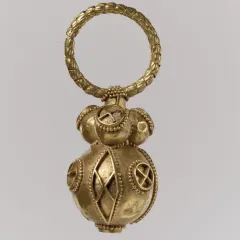 ヨーロッパのテュルク系諸部族 五世紀から七世紀の、ポントス・カスピ草原と北カフカスの、テュルク語を話す民、およびテュルク系の者に率いられた民。560年代から、その多くはギョクテュルクの覇権のもとにあった。
-
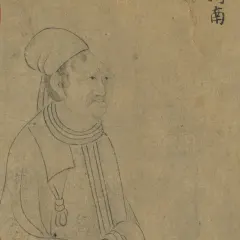 Tuyuhun 簡略 中国とチベットのあいだ、ココノール地方にいた鮮卑系の民。敗れたギョクテュルクの可汗が、その地で消息を絶つことがあった。
- ウルツィンズル 簡略 アッティラの死後、ドナウ川下流にいたフン族の部族。460年代にアッティラの子デンギジクに従ってゴート人と戦った。のちの歴史家は、レオ帝の治世まで名高かったと述べる。
- Utigurs アゾフ海の東にいたフン系の草原の民で、クトリグルと同族。首長アナガイのもと、576年にボスポロスでギョクテュルクのために戦った。
- ヴァンダル族 簡略 王ガイセリックのもとでスペインからアフリカへ渡り、439年にカルタゴを取った民。その艦隊はドナウ川からローマの軍勢を引き離し、455年にはローマを略奪した。
- Wuhuan 東方草原の民。冒頓単于(バガトゥル)が東胡に勝って以来匈奴に服属し、のちには漢に服した。漢は彼らを辺境に住まわせ、匈奴と鮮卑に当たらせた。
- Wusun イリ盆地の草原の民。はじめ匈奴に従い、のちに匈奴と争い、漢の西方における最大の同盟者となった。創始者は生まれてすぐ捨てられ、牝狼に乳を与えられた。
- Yueban 残りが西へ移ったとき、クチャの北にとどまった北匈奴の一部。『魏書』はその国を烏孫の北西に置き、北魏への使節を記録する。
- Yuezhi 河西回廊の民。匈奴に二度打ち破られ、その西への逃走が、バクトリアで終わる移動の引き金となった。
- Zabender 簡略 テオフィラクトスがヴァルとフンニの流れをくむとする民。ギョクテュルクを逃れてアヴァールのもとへ走ったタルニアフとコツァゲルに並べて名を挙げる。
画像の出典
- アカツィール: c. 450: The realm of Attila reaches from the Danube into the steppe. The Akatziri stand in two proposed places, north-west of the Black Sea and by the Sea of Azov. Modern map. No source records the frontier. © Emre-E Yavuz 2026
- Avars: 558: The first embassy of the Avars comes through the Alans and Lazica to Constantinople. The Avars then break the Onogurs and destroy the Sabirs. Modern map. The road of the embassy is drawn, and the places of the battles are not recorded. © Emre-E Yavuz 2026
- Donghu: Donghu in a modern illustration. © Emre-E Yavuz 2026
- ユーラシアの遊牧民: A herder on horseback with a flock of sheep and goats on the open steppe of Mongolia, photographed in 1909. Finnish Heritage Agency (Museovirasto), General Ethnographic Photo Collection, VKK156:33. Photograph by Sakari Pälsi, 1909. Finna, CC BY 4.0.
- ギョクテュルク: Göktürks in a modern illustration. © Emre-E Yavuz 2026
- Hephthalites: Envoy of the Hua (滑國), as the Liang court called the Hephthalites, carrying a bowl. From “Foreign Visitors Coming to Court”, a copy after a painting ascribed to Emperor Yuan of Liang (r. 552–555); an inscription of the Song emperor Lizong names Gu Deqian of the Southern Tang as the copyist. Handscroll, ink on paper; National Palace Museum, Taipei, 故畫001389N. Copy of Emperor Yuan of Liang’s “Foreign Visitors Coming to Court”, The National Palace Museum, Taipei, CC BY 4.0 @ www.npm.gov.tw.
- History of the Turkic peoples: Runes of the Tonyukuk stone, the Göktürk realm in 552, the Altai from space, a Scythian gold stag, the empire of Attila in 453 and riders on a Tang bronze mirror. Photographs: G. J. Ramstedt and Sakari Pälsi, Finnish Heritage Agency (CC BY 4.0); NASA, astronaut photograph iss069e071176 (public domain); The Cleveland Museum of Art, 1985.77 (CC0); The Metropolitan Museum of Art, 25.20.3 (CC0). Maps: © Emre-E Yavuz 2026
- フン族: Huns in a modern illustration. © Emre-E Yavuz 2026
- Khitan: Fragment of a Liao-dynasty tomb mural showing a Khitan man and a Khitan boy, from a tomb at Paolou Hill in Lindong, excavated in 1988. Photograph: BabelStone, 2016, CC BY-SA 3.0.
- Kutrigurs: c. 550: The Kutrigurs live west and the Utigurs east of the Don and the Sea of Azov, the Sabirs and the Onogurs north of the Caucasus. The Kutrigurs raid in 551 and, under Zabergan, reach Constantinople in 558–559. The Avars arrive in 557. Modern map. The roads are drawn. © Emre-E Yavuz 2026
- On Oq: On Oq in a modern illustration. © Emre-E Yavuz 2026
- Rouran: Rouran in a modern illustration. © Emre-E Yavuz 2026
- Sabirs: 558: The first embassy of the Avars comes through the Alans and Lazica to Constantinople. The Avars then break the Onogurs and destroy the Sabirs. Modern map. The road of the embassy is drawn, and the places of the battles are not recorded. © Emre-E Yavuz 2026
- サラグル: c. 463: The Abares drive out the Sabirs, and the Sabirs drive the Saragurs, Ogurs and Onogurs west. The Saragurs defeat the Akatziri and send an embassy to Constantinople. Later they raid through the Caucasus. Modern map. The arrows are a reconstruction. © Emre-E Yavuz 2026
- 鉄勒: Tiele in a modern illustration. © Emre-E Yavuz 2026
- ヨーロッパのテュルク系諸部族: One of a pair of gold earrings, Avar work, 550 to 650. The Metropolitan Museum of Art, New York, 17.191.4, CC0.
- Tuyuhun: Envoy of the Tuyuhun, labelled 河南, the name under which the southern histories treat their kingdom. From “Foreign Visitors Coming to Court”, a copy after a painting ascribed to Emperor Yuan of Liang (r. 552–555); an inscription of the Song emperor Lizong names Gu Deqian of the Southern Tang as the copyist. Handscroll, ink on paper; National Palace Museum, Taipei, 故畫001389N. Copy of Emperor Yuan of Liang’s “Foreign Visitors Coming to Court”, The National Palace Museum, Taipei, CC BY 4.0 @ www.npm.gov.tw.
- Uyghurs: Muqam, a painting of 1984 by the Uyghur painter Ghazi Ehmet: singers and musicians of the Uyghur muqam with long-necked lutes, fiddles, a dulcimer, frame drums and flutes. It shows the Uyghurs of the twentieth century, eleven centuries after the dispersal of 840. Painting: Ghazi Ehmet, 1984.
- Xianbei: Xianbei in a modern illustration. © Emre-E Yavuz 2026
- Yenisei Kirghiz: Yenisei Kirghiz in a modern illustration. © Emre-E Yavuz 2026

