
まず、草原地帯の牧畜民であるユーラシアの遊牧民の暮らし。次に、草原帝国の歴史に繰り返し現れる五つの言葉である。草原がそこから統治された森の山地、馬上から射る技、可汗を即位させ廃する天、書き記されなかった法、そして人を統治にふさわしい者とした幸運である。この道筋は、それらを六つの段階で示す。ほかのすべての道筋が必要とする言葉を、ここで先に押さえておく。
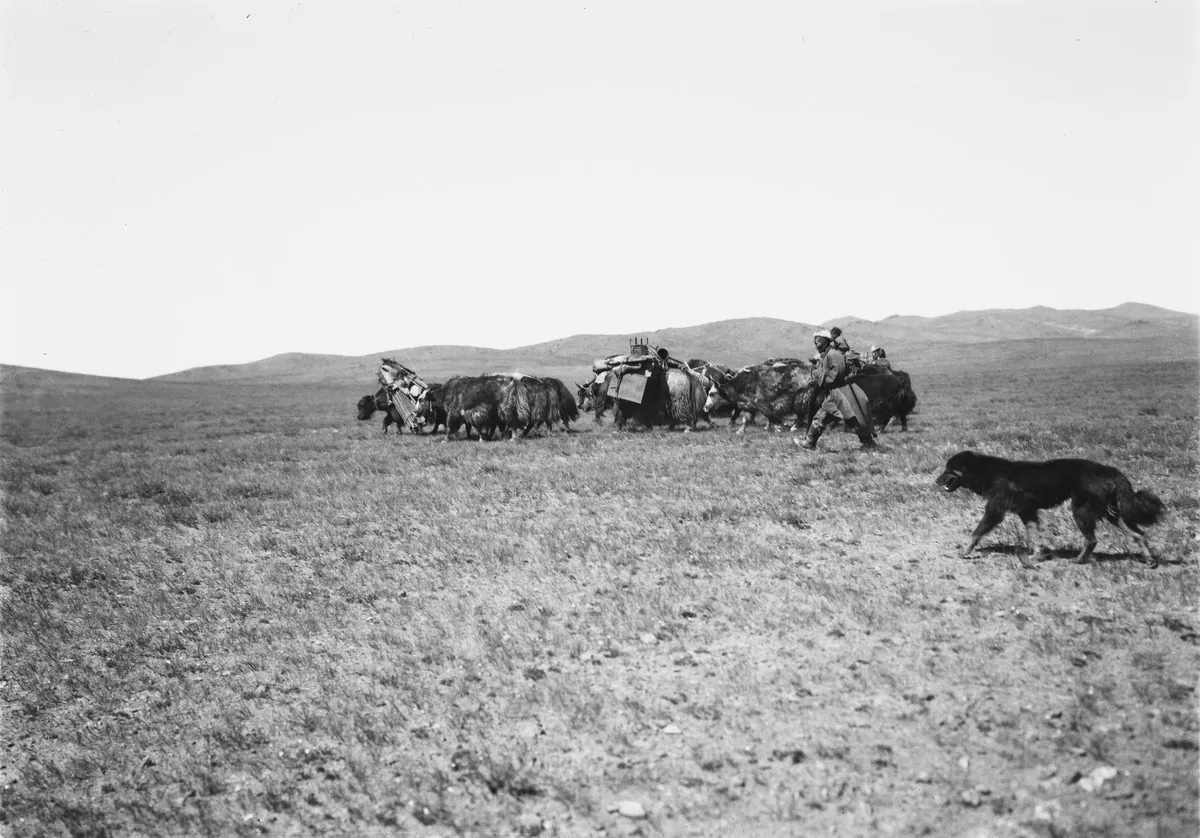
A family on the move across the steppe, its goods loaded on yaks
A Mongol family moving across the steppe in 1909, with their goods carried on yaks.

1/6

ユーラシアの遊牧民

草原の遊牧民とは誰か、どのように暮らし、定住する隣人から何を必要としたか。

草原は、ハンガリー平原から満洲まで続く草地の帯である。そこに住む人々は羊と馬の群れで暮らし、決まった時期に決まった牧地の間を群れとともに移動した。家畜だけではすべてはまかなえなかった。穀物と布は、定住する隣人から交易、貢納、あるいは略奪によって手に入れた。多くの集団が一人の君主のもとにまとまると草原帝国が生まれた。匈奴からギョクテュルク、ウイグルに至るまでである。

記事を読む →

Ötüken in a modern illustration: an inscribed stele in the forested upland, with swords set upright in the ground around it.

2/6

ウテュケン

400–840

草原がそこから統治された場所と、可汗がそれを押さえねばならなかった理由。

ウテュケンは、現在のモンゴル中央部、オルホン渓谷とハンガイの一帯にあった、森に覆われた山地である。都市ではなかった。552年以来、草原を支配したギョクテュルクの碑文は、この地を聖なる所と呼び、国を保つのにこれ以上の場所はないと述べる。匈奴、柔然、ギョクテュルク、ウイグルは、それぞれ順にここに権力の座を置いた。ギョクテュルクの国を築いたブミンは、552年の春にここに入り、可汗の称号を得た。
記事を読む →

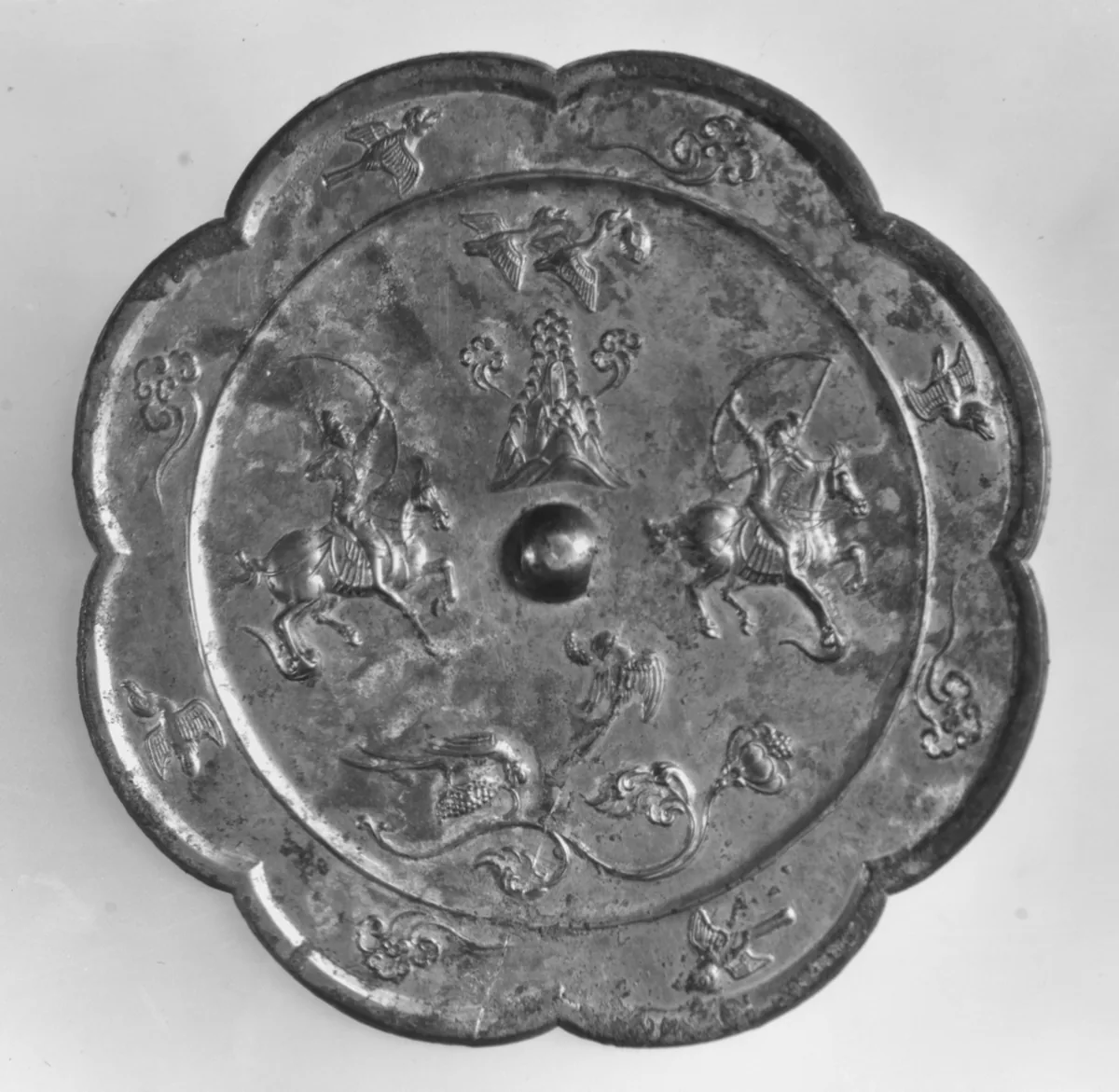
A round bronze mirror with lobed rim; two horsemen at full gallop draw their bows among birds, clouds and a mountain
Bronze mirror with a hunting scene, China, Tang dynasty, eighth century. Two horsemen draw their bows at full gallop.

3/6

騎射

馬上から射ること。中国の史書が伝えるとおりに。

『史記』は、紀元前90年ごろに完成した中国の史書であり、匈奴の子供たちは羊に乗り、弓で鳥やネズミを射たと伝える。弓を引ける力のある男はみな甲騎となった。『隋書』は、ギョクテュルクは騎射に巧みであったと述べる。定住国家の宮廷はこれを見るのを好んだ。426年には北魏の太武帝がそのための台を築き、725年からは唐の玄宗がしばしばギョクテュルクを自らの近衛の中で疾駆させ、射させた。
記事を読む →

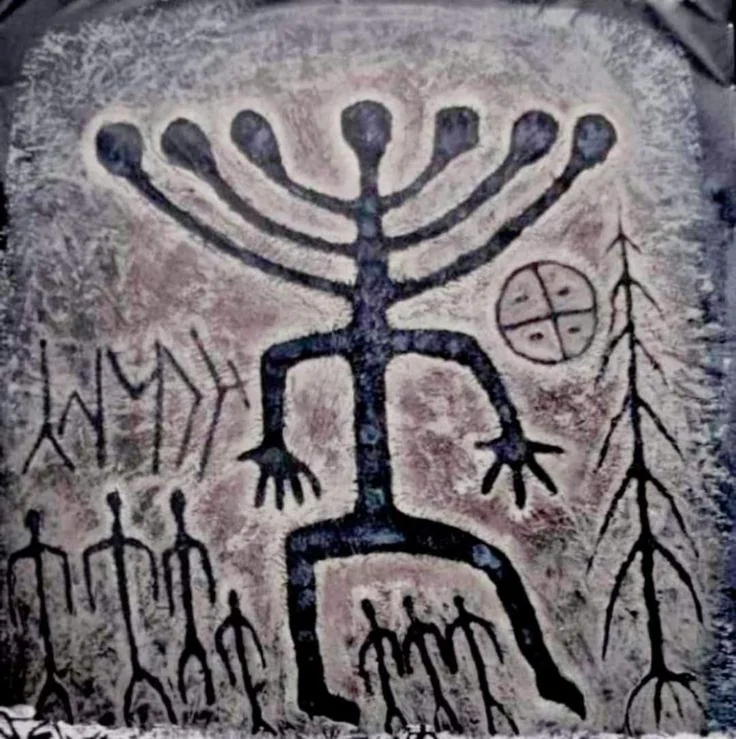
A dark figure with seven rays ending in round knobs rising from its head, arms spread, above a row of small figures, beside a quartered circle, a tree and runic signs
A figure with a rayed head over a row of smaller figures, beside a quartered circle, a tree and signs in the manner of Old Turkic runes: an image in the style of steppe rock art.

4/6

テングリ

可汗を立てる天と、ギョクテュルクが書き記した唯一の神の名。

テングリは天であり、可汗を即位させ、また廃する力である。ギョクテュルクが自らの言語と自らの文字で書き記した唯一の神の名である。八世紀のキョル・テギン碑文では、第二可汗国を築いたイルテリシュが、天がそう定めたために諸国を奪い、天は彼の部下たちに力を与えた。中国の史書は神の名を挙げない。伝えるのは、五月の半ばに天の神に捧げられる犠牲のことである。
記事を読む →

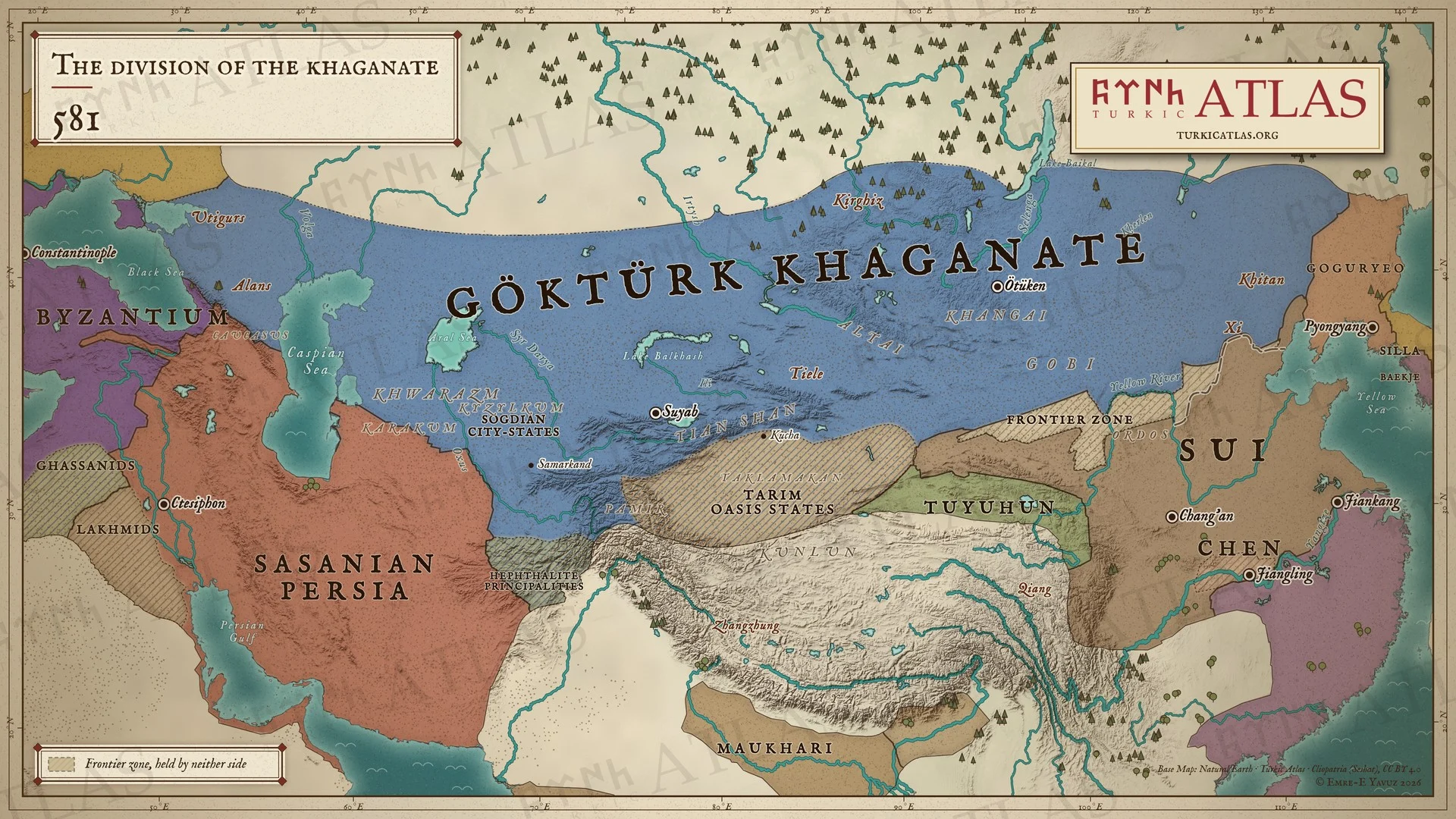
Map of Asia in 581: the undivided Göktürk Khaganate from the Black Sea to the Khitan with the court at Ötüken, the Tarim oasis states and the Hephthalite principalities as tributaries, beside the Eastern Roman Empire, Sasanian Persia, the Sui, the Chen, the Tuyuhun and Goguryeo, and between the steppe and China the wall of the Northern Qi and a hatched frontier zone
581年、タスパルが没した年のギョクテュルク可汗国。黒海から契丹まで、まだ分かれておらず、宮廷はウテュケンにある。そばには、この年に支配を始めた隋、陳、サーサーン朝、東ローマ帝国。草原と中国のあいだには北斉の長城(556年)と、どちらにも属さない境界地帯がある。現代の地図で、境界はおおよそのもの。
© Emre-E Yavuz 2026

5/6

テョレ

ギョクテュルクの書かれざる法と、それが守らせることのできなかった継承。

ギョクテュルクには、彼らをまとめるものを指す語が二つあった。テングリは天であり、テョレ(古い形は törü)は法であった。誰が誰の跡を継ぐか、何が罰せられるか、寡婦は誰と結婚するか、それを定めた慣習である。それは書き記されていなかった。碑文は、ブミンとその弟イステミが、国とテョレをともに手にしたと述べる。581年、貴族の会議であるトイは、死に臨む可汗タスパルの望みを退けた。その後の争いは、可汗国を二つに分けた。

記事を読む →

6/6

クト

人を可汗とした、テングリからの幸運。

可汗が統治したのは、クトをもっていたからである。クトは幸運、祝福、天の恩寵などと訳され、テングリが選んだ人に授けるものであった。キョル・テギン碑文で可汗は、天が命じ、かつ自らのクトがあったから王座に就いたと語る。クトは失われることもあった。碑文は、唐の下にあった五十年を、失われた幸運として描く。国を再興したイルテリシュは、クトをもつ者を意味するクトルクの名で記憶されている。

記事を読む →

A family on the move across the steppe, its goods loaded on yaks
A Mongol family moving across the steppe in 1909, with their goods carried on yaks.
Ötüken in a modern illustration: an inscribed stele in the forested upland, with swords set upright in the ground around it.
A round bronze mirror with lobed rim; two horsemen at full gallop draw their bows among birds, clouds and a mountain
Bronze mirror with a hunting scene, China, Tang dynasty, eighth century. Two horsemen draw their bows at full gallop.
A dark figure with seven rays ending in round knobs rising from its head, arms spread, above a row of small figures, beside a quartered circle, a tree and runic signs
A figure with a rayed head over a row of smaller figures, beside a quartered circle, a tree and signs in the manner of Old Turkic runes: an image in the style of steppe rock art.
Map of Asia in 581: the undivided Göktürk Khaganate from the Black Sea to the Khitan with the court at Ötüken, the Tarim oasis states and the Hephthalite principalities as tributaries, beside the Eastern Roman Empire, Sasanian Persia, the Sui, the Chen, the Tuyuhun and Goguryeo, and between the steppe and China the wall of the Northern Qi and a hatched frontier zone© Emre-E Yavuz 2026
581年、タスパルが没した年のギョクテュルク可汗国。黒海から契丹まで、まだ分かれておらず、宮廷はウテュケンにある。そばには、この年に支配を始めた隋、陳、サーサーン朝、東ローマ帝国。草原と中国のあいだには北斉の長城(556年)と、どちらにも属さない境界地帯がある。現代の地図で、境界はおおよそのもの。
  1. 1. ユーラシアの遊牧民
  2. 2. ウテュケン
  3. 3. 騎射
  4. 4. テングリ
  5. 5. テョレ
  6. 6. クト

はじめに ユーラシアの遊牧民 →

