ブミンの弟は建国のときに西方の指揮を執り、四半世紀にわたってそれを保った。そのあいだにギョクテュルクはペルシアとともにエフタルを滅ぼし、ソグディアナの交易を手にし、絹をめぐってサーサーン朝の王と争い、ビザンツと同盟し、ポントス草原の諸民族を支配下に置いた。576年にイステミが没したとき、その子らは黒海のほとりに立っていた。十二年後、その後継者たちはペルシアに対する最初の大戦争を戦った。
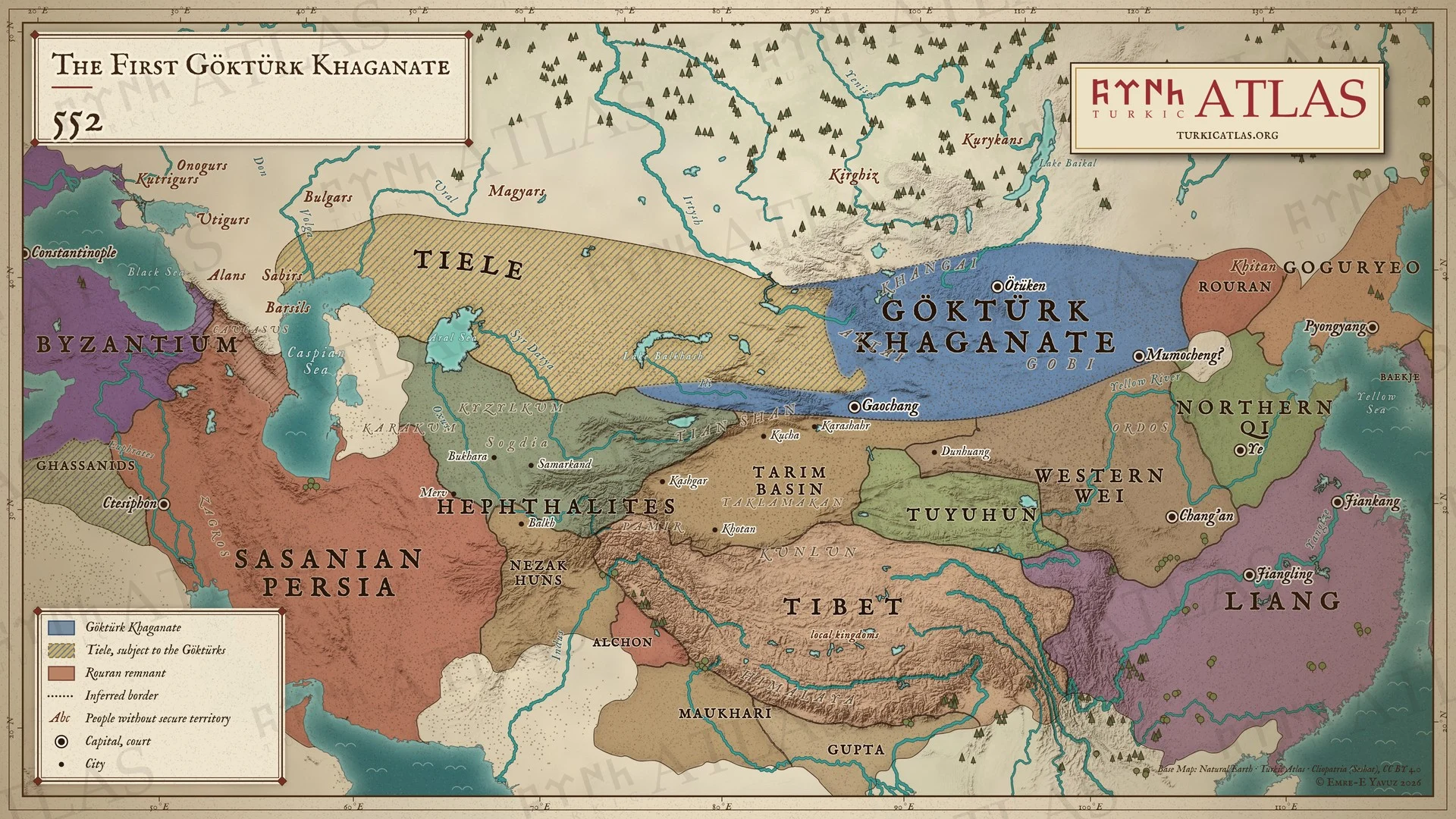
Map of Asia in 552: the First Göktürk Khaganate across the eastern steppe from the Altai to the Khingan, south of Lake Baikal, the Tiele in the west as its subjects, the remnant of the Rouran in the east, beside the Western Wei, the Northern Qi, the Liang, the Tuyuhun, the Hephthalites and Persia
552年、柔然に勝利したブミンは可汗の称号を名乗り、その故地に第一ギョクテュルク可汗国を建てる。鉄勒はその臣下となり、柔然の残党は東方でなお抵抗する。現代の地図。
© Emre-E Yavuz 2026

1/8

室点蜜(イステミ)

552–576

葉護その人。その名、位、遠征、そして死。

室点蜜(イステミ)はブミンの弟であり、兄より四半世紀長く生きた。553年の春、ブミンが没してその子イシクが位にあったとき、彼は軍を率いてアルタイから西へ出た。ある数え方は彼に十万の兵を与え、第二の数え方は三万から五万とする。夏までに彼は七河地方に達していた。ビザンツの歴史家メナンドロスは彼をシルジブロスと呼び、この形は彼の称号シル・ヤブグと読まれる。ある解釈は彼に、可汗の代理である葉護の位を与える。彼は二十三年のあいだ西方を保ち、576年に没した。ローマの使節ヴァレンティノスは、喪に服すその子に会った。キョル・テギン碑文は二人の建国者、ブミン可汗とイステミ可汗の名を並べて挙げ、二人に一つの称号を与えている。

  • 阿史那氏

記事を読む →

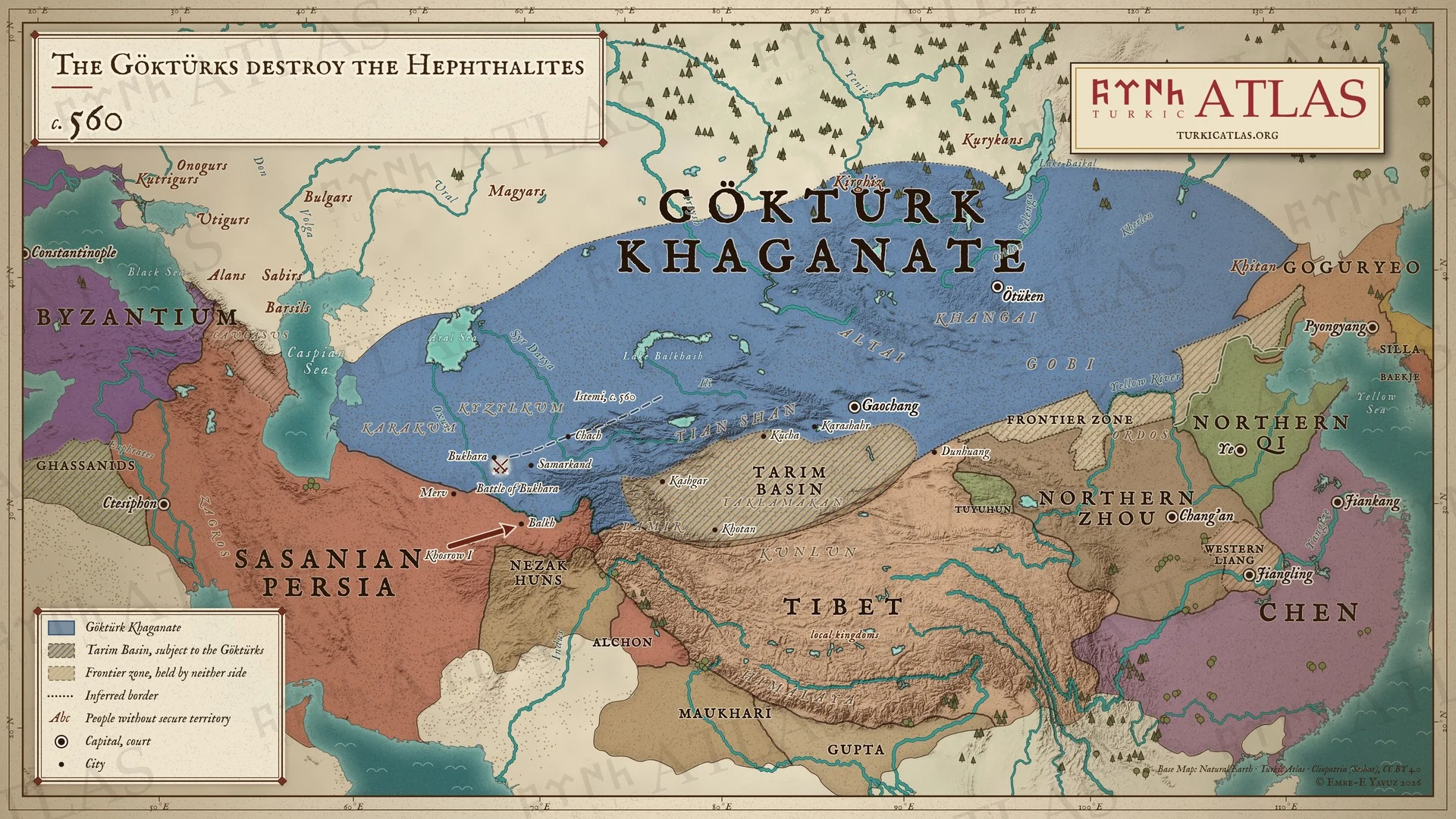
Map of Asia around 560: the Göktürk Khaganate from Manchuria to the Caspian, Istemi advancing through Chach to the battle of Bukhara, Khosrow I advancing from the south to Balkh, beside Sasanian Persia, the Northern Zhou, the Northern Qi and the Chen
560年ごろ、イステミはチャーチを経てソグディアナに進み、ブハラの戦いでエフタルを滅ぼす。ホスロー1世はオクソス川以南のエフタルの地をバルフまで取る。オクソス川がギョクテュルクとペルシアの境となる。現代の地図で、イステミの進路は描画によるもの。
© Emre-E Yavuz 2026

2/8

ギョクテュルク・エフタル戦争(555〜563年)

555–563

ペルシアとともにエフタルに対して戦われた戦争と、オクサス川に沿った分割。

エフタルは一世紀にわたってオクサス川の両岸を保ち、二度にわたってサーサーン朝の王座に誰が座るかを決めた。ギョクテュルクは自らの国家を建ててから数年のうちに彼らを攻めた。北からはイステミが、南からはペルシアのホスロー一世が攻め、ホスローはイステミの娘を妻に迎えて盟約を固めた。ある近代の復元によれば、エフタルの王ガトファルはブハラの近くに兵を集めてネセフの丘陵で戦い、八日ののちにギョクテュルクが勝った。ある算定は滅亡を557年に、第二の算定は560年ごろに、第三の算定は563年から567年のあいだに置く。勝者たちはオクサス川に沿って国を分け、川の北の地をギョクテュルクに、南の地をペルシアに帰した。十年のうちに、二つの勝者は敵となっていた。
  • 第一ギョクテュルク可汗国
  • サーサーン朝ペルシア
  • Hephthalites

記事を読む →

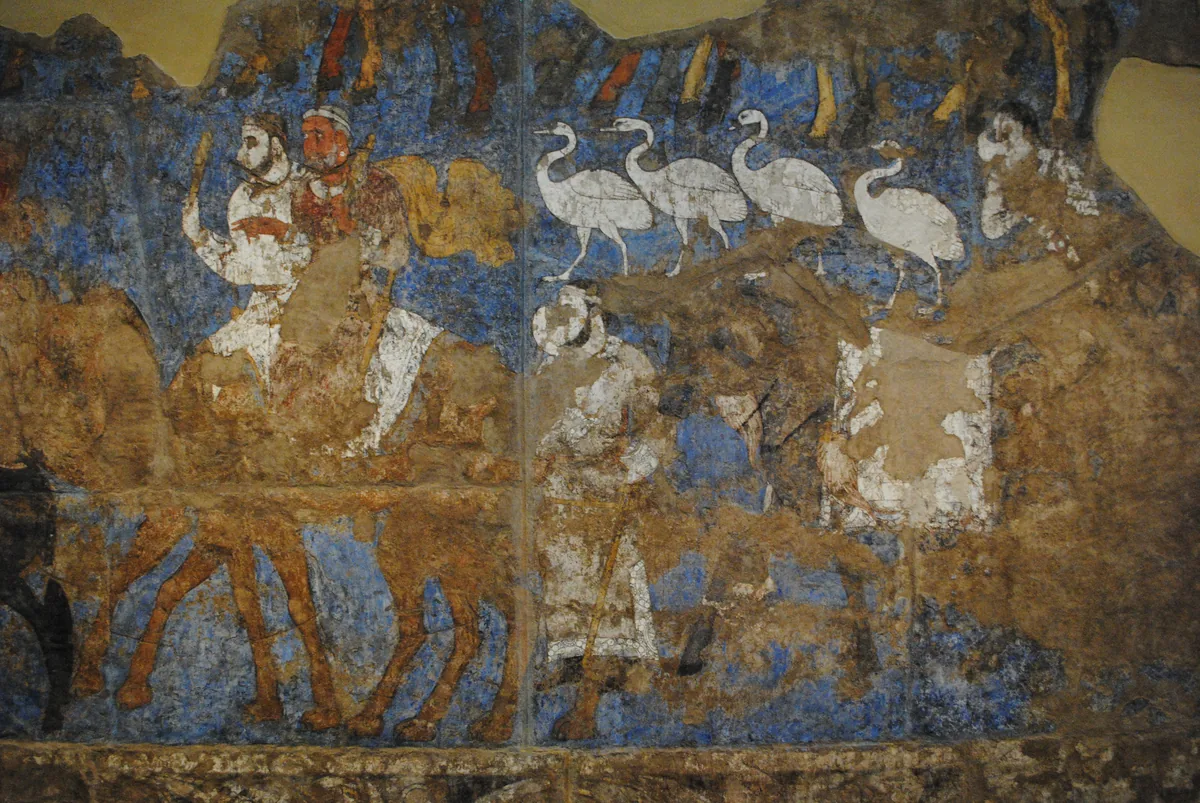
Riders on camels and a line of white birds in a procession from the paintings of the Hall of the Ambassadors at Afrasiab, the old site of Samarkand, seventh century. The paintings left Uzbekistan for the first time in 2022 for an exhibition at the Louvre.

3/8

ギョクテュルクのシルクロード進出

553–629

ソグディアナ、ブハラ、そして西への道。遠征、商人、そしてペルシアとのすべての戦争。

ソグディアナには単一の王がいなかった。都市はそれぞれ自らの王をもち、エフタルの没落ののち、ブハラやサマルカンドを含むそのすべてがギョクテュルクの保護下に入った。ソグド人は初めから可汗国の商業上の利害を取り仕切っていた。絹は中国から来た。周の朝廷は毎年十万匹の絹をギョクテュルクに与え、斉も同じことをするために国庫を空にした。ソグド人は余剰を西へ運ぶことを提案し、西方の市場への最初の道はペルシアを通っていた。オクサス川での分割から628年のティフリスの包囲までのあいだに、ギョクテュルクとペルシアは幾度も干戈を交えた。そのなかには569年のイステミの遠征と588年の戦争がある。イステミのもとで始まったギョクテュルクとソグド人の友好は、ウイグルの時代まで続いた。

  • ビザンツ帝国
  • サーサーン朝ペルシア
  • Hephthalites

記事を読む →

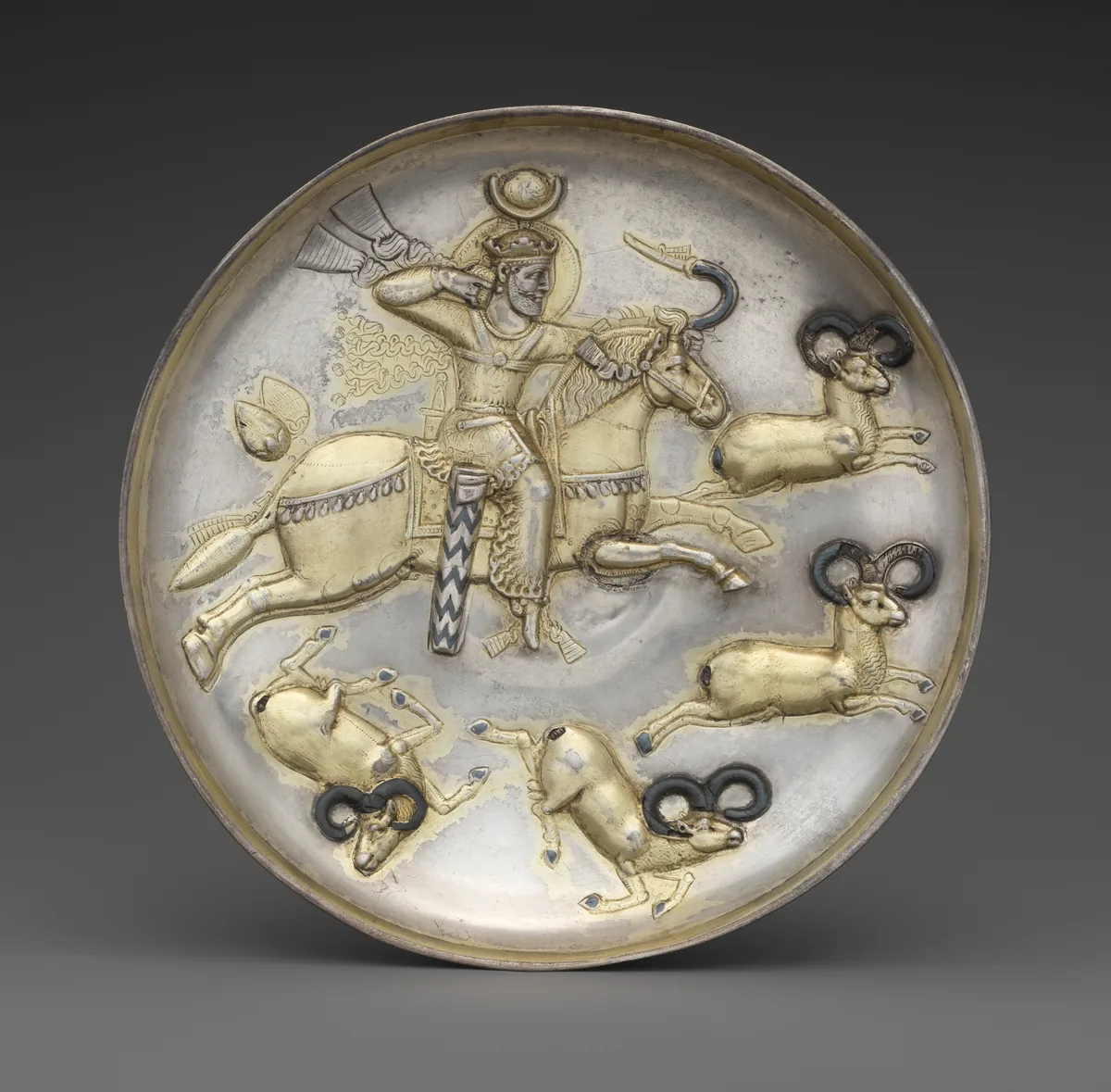
Silver plate with a Sasanian king hunting rams, gilded and inlaid with niello. Iran, middle of the fifth to middle of the sixth century.

4/8

ギョクテュルク・ササン朝交易紛争

560–570

ペルシアの王が焼いた絹、命を落とした使節たち、そして同盟者がいかにして敵となったか。

エフタル戦争ののち、いまやギョクテュルクの臣下となったソグド人はペルシアで生糸を売ろうとし、イステミはマニアフを長として彼らをホスロー一世のもとへ送った。ホスローは日を重ねて彼らを待たせた。やがて、ペルシア側に寝返っていたエフタル人カトゥルフが進言した。絹を相応の値で買い取り、使節の目の前で焼くべきだというのである。絹は焼かれた。イステミは今度はギョクテュルクからなる第二の使節団を送ったが、その大半は食べ物に混ぜられた毒で死んだ。ペルシア人は、使節たちは息苦しい暑さで死んだのだと言いふらした。イステミは使節が殺されたことを悟り、メナンドロスは、ペルシア人とギョクテュルクの敵意がこのときに始まったとする。そこでマニアフは、どの民よりも多く絹を用いるローマ人の歓心を買うよう、彼に進言した。
記事を読む →

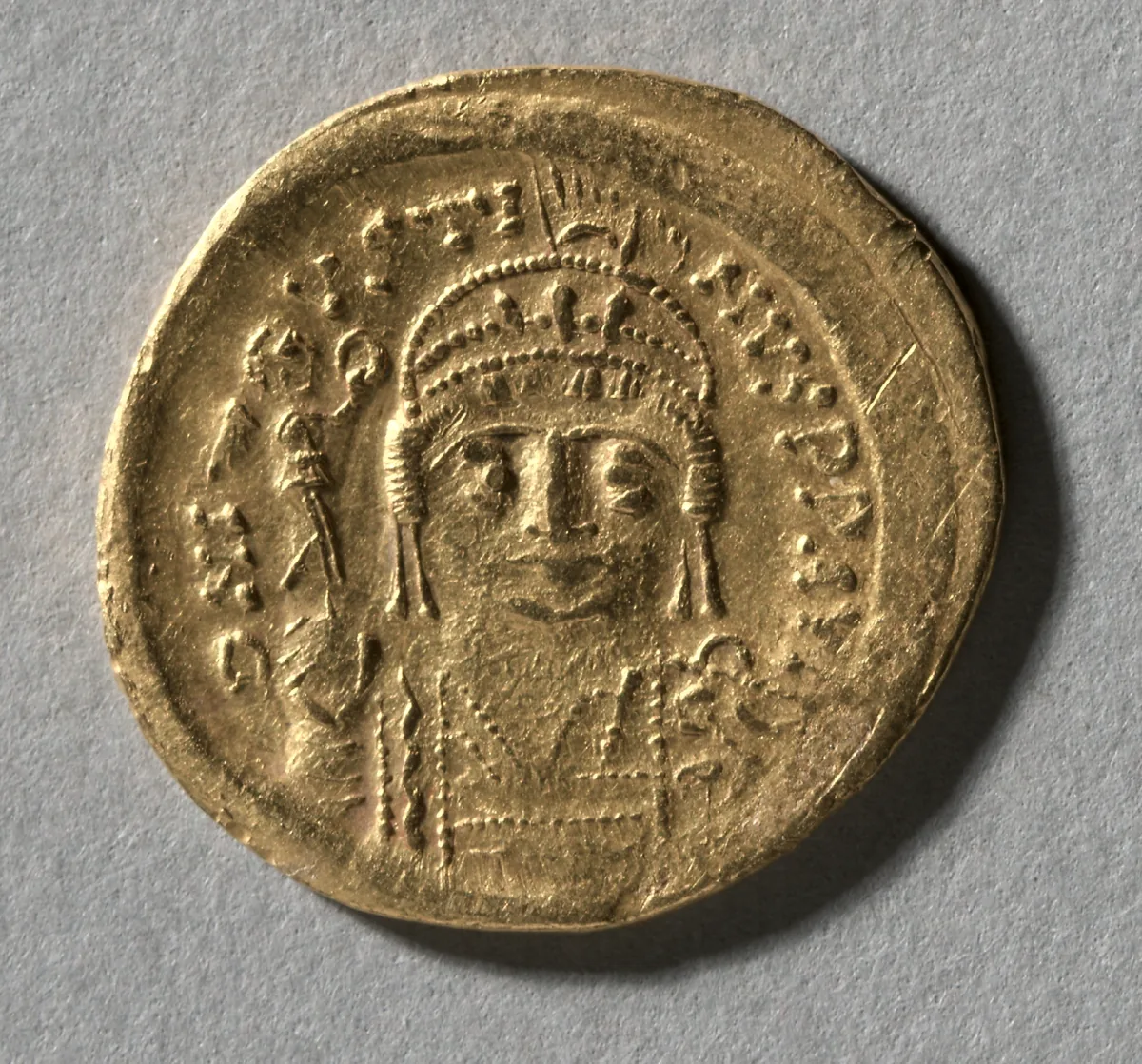
Gold solidus of Justin II, emperor in Constantinople from 565 to 578, in whose fourth year the envoys of Istemi swore the alliance.

5/8

ギョクテュルク・ビザンツ同盟

568–628

コンスタンティノープルのマニアフ、黄金の山のゼマルコス、そしてペルシアに対する同盟。

568年、ユスティヌス二世の治世第四年の初めに、マニアフは絹とスキタイの文字で書かれた書簡を携えてコンスタンティノープルに着いた。使節団は和平と軍事同盟を求め、一行は手を挙げて誓い、偽りがあれば自らとイステミに呪いあれと唱えた。569年8月、ユスティヌスはゼマルコスを東へ送り、イステミは、ローマ人の友は自分の友、ローマ人の敵は自分の敵であると宣言した。570年ごろ、ギョクテュルクはメディアに侵入し、ペルシアを反対の側から攻めるようユスティヌスに促した。576年、彼らはローマの都市ボスポロスを取った。メナンドロスではそのあとに公然たる戦争が続き、ある解釈では同盟はなお保たれた。半世紀後、ヘラクレイオスがこれを新たに結んだ。二度とも同盟はペルシアに対して結ばれた。ペルシアは、両方の相手と境を接するただ一つの勢力であった。
記事を読む →

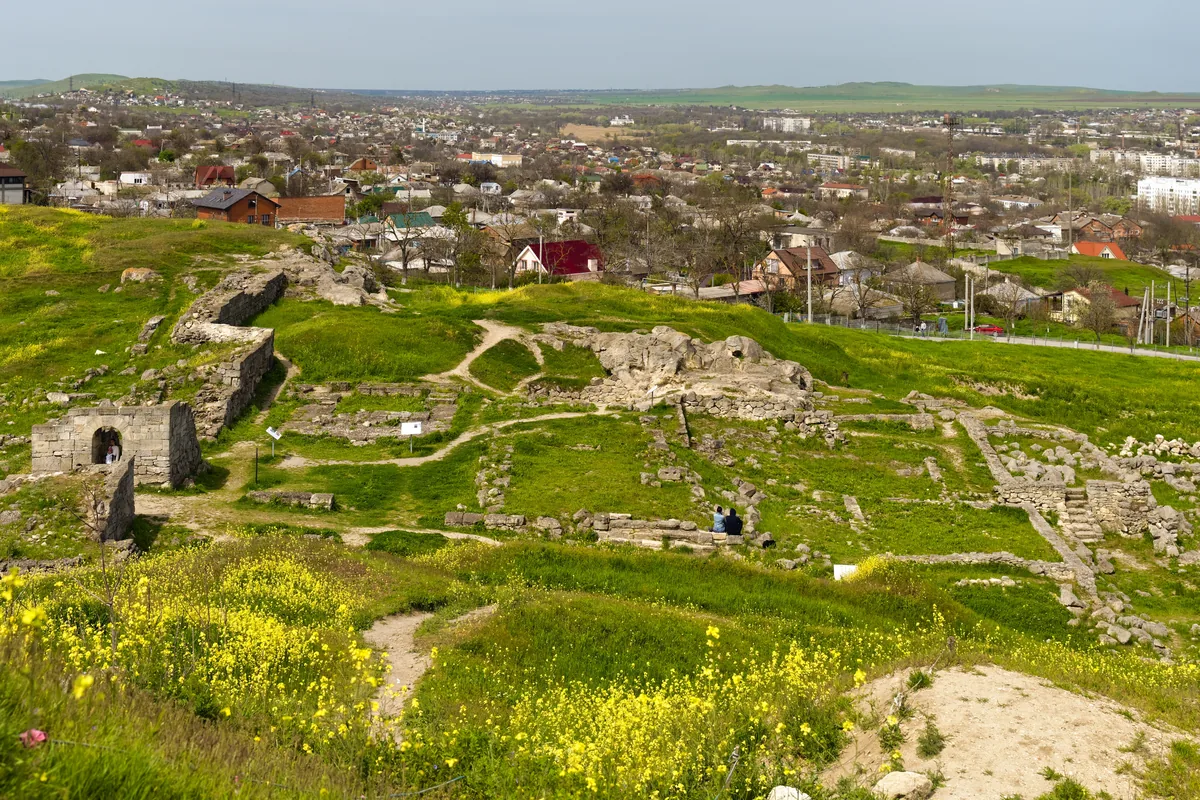
Excavated remains of ancient Panticapaeum on Mount Mithridates in Kerch, in the eastern Crimea, with the town below; photograph of 2021. Bosporos, the ancient Panticapaeum, fell to a Göktürk army and the Utigurs while the Roman envoy Valentinos was among the Göktürks.

6/8

ギョクテュルクのヨーロッパ進出

557–598

アヴァール、ポントス草原、カフカス、そしてクリミア。ギョクテュルクがヨーロッパで行ったことのすべて。

ギョクテュルクのヨーロッパへの進出は、557年ごろにポントス草原に達したアヴァールの追撃として始まった。アヴァールは空を飛んで、あるいは海の下をくぐってギョクテュルクの剣を逃れる鳥でも魚でもない、とイステミは言い、エフタルとの戦争が終われば彼らに襲いかかるであろうと述べた。568年までにギョクテュルクは西方草原の遊牧民を押さえ、ヴォルガ川の向こうではウグルの首長がイステミの権力を保っていた。576年、イステミの子トゥルクサントスは喪に服したままローマの使節ヴァレンティノスを迎え、アヴァールを自分の逃亡奴隷と呼んだ。彼はきわめて大きな軍を付けてボハンをクリミアのボスポロスへ送った。そこにはすでにウティグルのアナガイがおり、町は落ちた。ある解釈によれば、ギョクテュルクは598年までクリミアを保った。のちにハザールが、ヴォルガ川とクリミアのあいだの草原を引き継いだ。

  • Avars
  • ビザンツ帝国

記事を読む →

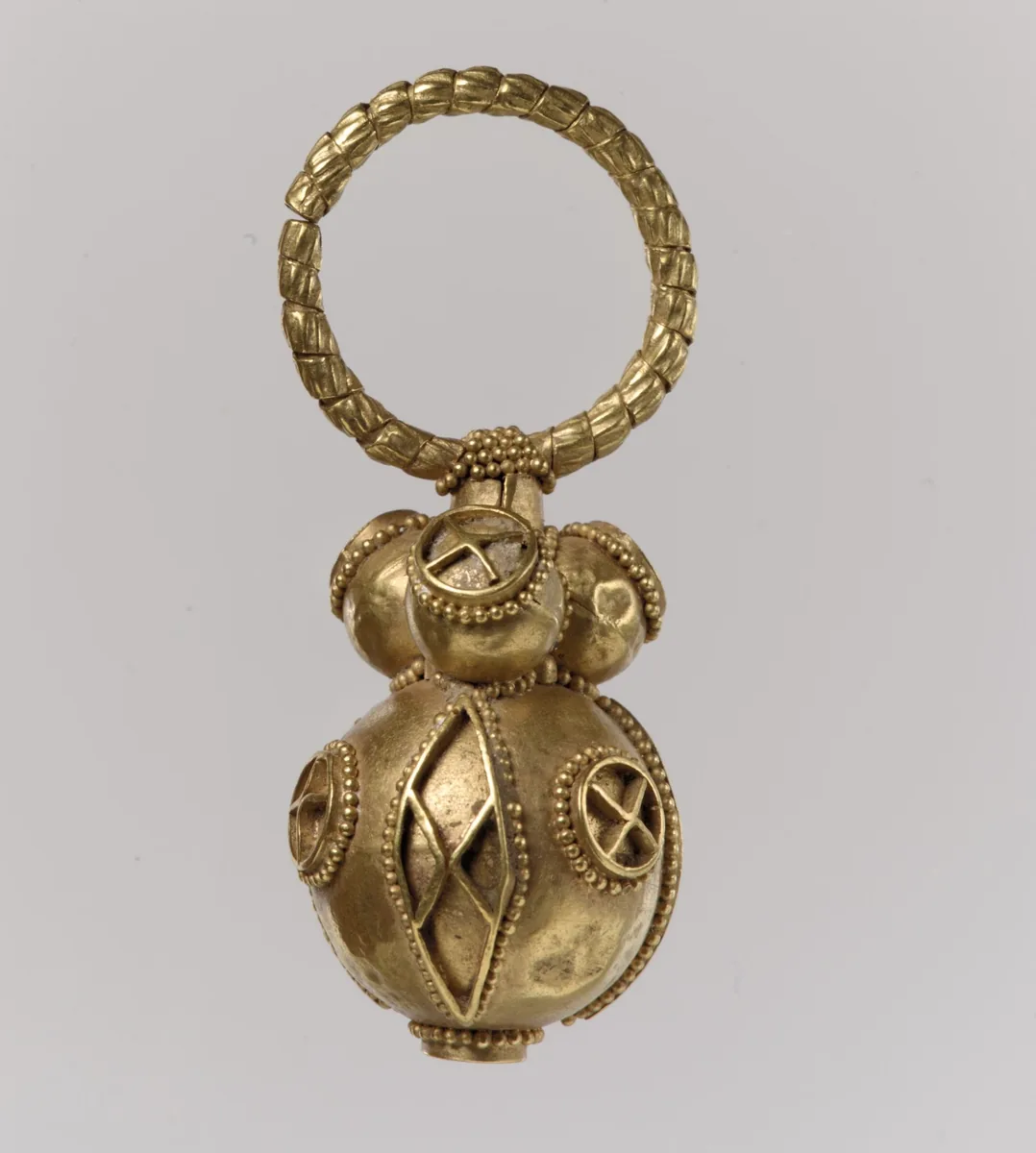
One of a pair of gold earrings, Avar work, 550 to 650.

7/8

ヨーロッパのテュルク系諸部族

463–650

ウティグル、クトリグル、オノグルとその隣人たち。ギョクテュルクが西方で出会った諸民族。

ギョクテュルクが西方で出会った諸民族は、波のように次々とやって来ていた。463年ごろ、サラグル、オグル、オノグルがサビルに住地を追われて到来した。彼らはオグル語を話した。それはテュルク語の一つの形であり、今日ではチュヴァシ語のなかに生き残っている。六世紀には、ウティグルがアゾフ海の東の草原を、クトリグルがその西の草原を押さえていた。ユスティニアヌスは両者を互いにけしかけ、二つの民はついに互いに多くを失った。アヴァールは550年代に、ギョクテュルクから逃れてこの地を通り過ぎた。アランはテュルク系の民ではなくイラン系の遊牧民であり、ローマへ向かうギョクテュルクの使節の道は彼らの国を通っていた。560年代から、これらの民の多くはギョクテュルクの覇権のもとにあった。七世紀にその力が崩れると、ブルガールとハザールがそれに取って代わった。
記事を読む →

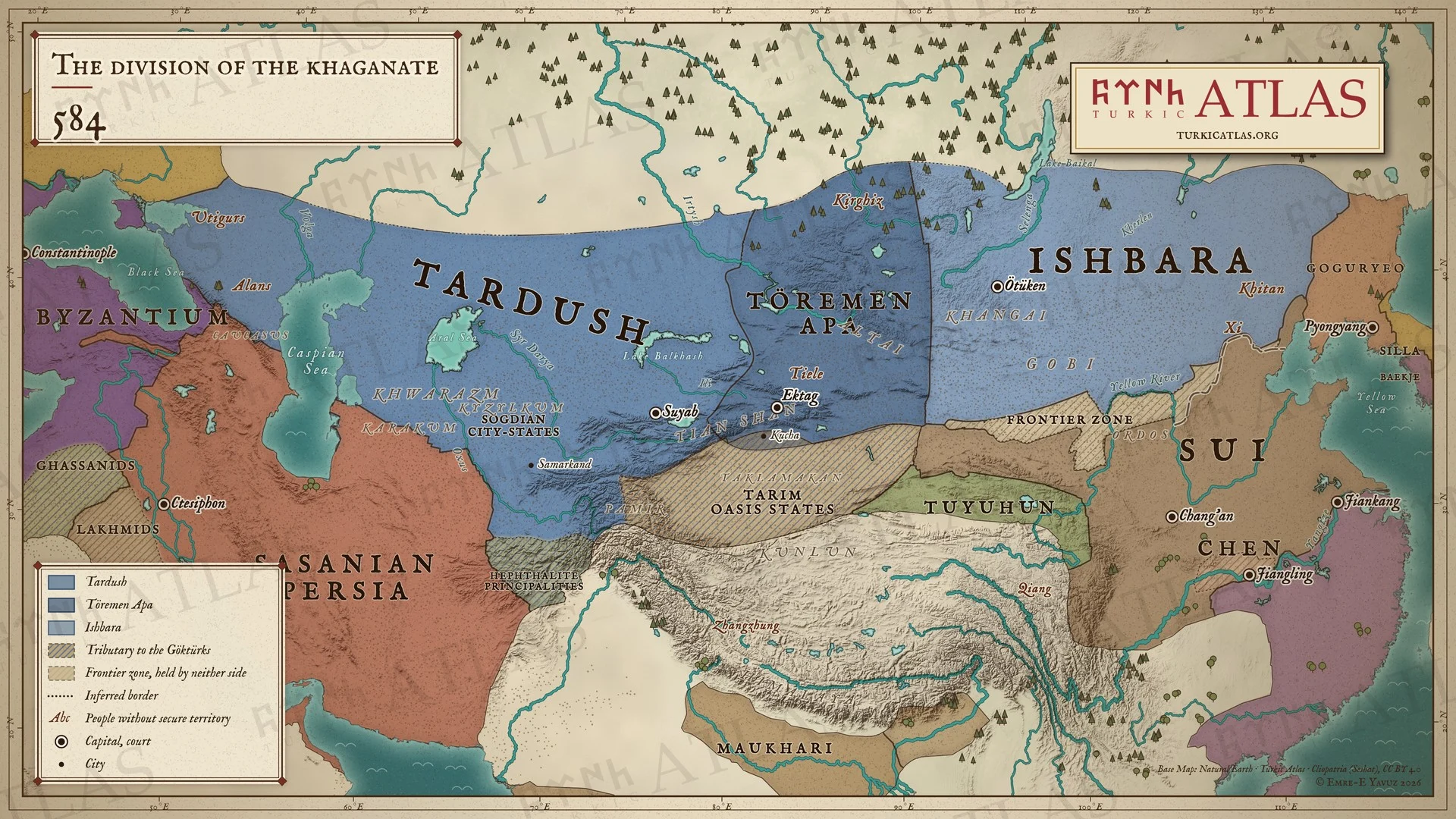
Map of Asia in 584 during the Göktürk civil war: the zones of Tardush in the west, Töremen Apa in the middle and Ishbara in the east, the Tarim oasis states and the Hephthalite principalities as tributaries, beside the Eastern Roman Empire, Sasanian Persia, the Sui, the Chen, the Tuyuhun and Goguryeo, and between the steppe and China the wall of the Northern Qi and a hatched frontier zone
内戦が始まった584年のギョクテュルクの領域。西にタルドゥシュ、中央にテョレメン・アパ、東にイシュバラ、そして隋、陳、サーサーン朝、東ローマ帝国。草原と中国のあいだには北斉の長城(556年)と、どちらにも属さない境界地帯がある。現代の地図で、勢力圏はおおよそのもの。
© Emre-E Yavuz 2026

8/8

ギョクテュルク・ペルシア戦争(588〜589年)

588–589

バルフ、ヘラート、そしてバフラーム・チョービン。ギョクテュルクとペルシアのあいだの最初の大戦争。

イステミのペルシア遠征から十九年後の588年、ギョクテュルクの軍がオクサス川を渡り、バルフ、ヘラート、ターラカーン、バードギースを取った。タバリーはその王を「テュルクの大王」シャーバと呼んで三十万の兵を与えるが、より現実的な数は二万から三万のあいだである。ホスロー一世の子ホルミズド四世は、選り抜きの一万二千の兵を付けてバフラーム・チョービンを差し向け、バフラームは矢でシャーバを射殺した。ある解釈はシャーバを沙鉢略可汗(イシュバラ)の弟バガとし、第二の解釈は達頭可汗(タルドゥシュ)の子とし、第三の解釈はオクサス川流域の小国の王侯とする。589年、バフラームはヘラートを奪回し、ブハラ周辺の地に達した。この勝利は彼を自らの王に背くことができるほど強くし、二年のうちにホルミズドは王座を失った。

  • サーサーン朝ペルシア

記事を読む →

Map of Asia in 552: the First Göktürk Khaganate across the eastern steppe from the Altai to the Khingan, south of Lake Baikal, the Tiele in the west as its subjects, the remnant of the Rouran in the east, beside the Western Wei, the Northern Qi, the Liang, the Tuyuhun, the Hephthalites and Persia© Emre-E Yavuz 2026
552年、柔然に勝利したブミンは可汗の称号を名乗り、その故地に第一ギョクテュルク可汗国を建てる。鉄勒はその臣下となり、柔然の残党は東方でなお抵抗する。現代の地図。
Map of Asia around 560: the Göktürk Khaganate from Manchuria to the Caspian, Istemi advancing through Chach to the battle of Bukhara, Khosrow I advancing from the south to Balkh, beside Sasanian Persia, the Northern Zhou, the Northern Qi and the Chen© Emre-E Yavuz 2026
560年ごろ、イステミはチャーチを経てソグディアナに進み、ブハラの戦いでエフタルを滅ぼす。ホスロー1世はオクソス川以南のエフタルの地をバルフまで取る。オクソス川がギョクテュルクとペルシアの境となる。現代の地図で、イステミの進路は描画によるもの。
Riders on camels and a line of white birds in a procession from the paintings of the Hall of the Ambassadors at Afrasiab, the old site of Samarkand, seventh century. The paintings left Uzbekistan for the first time in 2022 for an exhibition at the Louvre.
Silver plate with a Sasanian king hunting rams, gilded and inlaid with niello. Iran, middle of the fifth to middle of the sixth century.
Gold solidus of Justin II, emperor in Constantinople from 565 to 578, in whose fourth year the envoys of Istemi swore the alliance.
Excavated remains of ancient Panticapaeum on Mount Mithridates in Kerch, in the eastern Crimea, with the town below; photograph of 2021. Bosporos, the ancient Panticapaeum, fell to a Göktürk army and the Utigurs while the Roman envoy Valentinos was among the Göktürks.
One of a pair of gold earrings, Avar work, 550 to 650.
Map of Asia in 584 during the Göktürk civil war: the zones of Tardush in the west, Töremen Apa in the middle and Ishbara in the east, the Tarim oasis states and the Hephthalite principalities as tributaries, beside the Eastern Roman Empire, Sasanian Persia, the Sui, the Chen, the Tuyuhun and Goguryeo, and between the steppe and China the wall of the Northern Qi and a hatched frontier zone© Emre-E Yavuz 2026
内戦が始まった584年のギョクテュルクの領域。西にタルドゥシュ、中央にテョレメン・アパ、東にイシュバラ、そして隋、陳、サーサーン朝、東ローマ帝国。草原と中国のあいだには北斉の長城(556年)と、どちらにも属さない境界地帯がある。現代の地図で、勢力圏はおおよそのもの。
  1. 1. 室点蜜(イステミ)
  2. 2. ギョクテュルク・エフタル戦争(555〜563年)
  3. 3. ギョクテュルクのシルクロード進出
  4. 4. ギョクテュルク・ササン朝交易紛争
  5. 5. ギョクテュルク・ビザンツ同盟
  6. 6. ギョクテュルクのヨーロッパ進出
  7. 7. ヨーロッパのテュルク系諸部族
  8. 8. ギョクテュルク・ペルシア戦争(588〜589年)

はじめに 室点蜜(イステミ) →