- 400
- 500
- 600
- 700
- 800
- 900
- Rouran 400–554
- First Göktürk 552–630
- Tang rule 630–682
- Second Göktürk 682–744
- Uyghur 744–840
- Kirghiz 840–924
- Huns 370–469
- Western Göktürk 552–659
- Türgesh 699–766
- Karluk 766–800
- Khazar 650–969
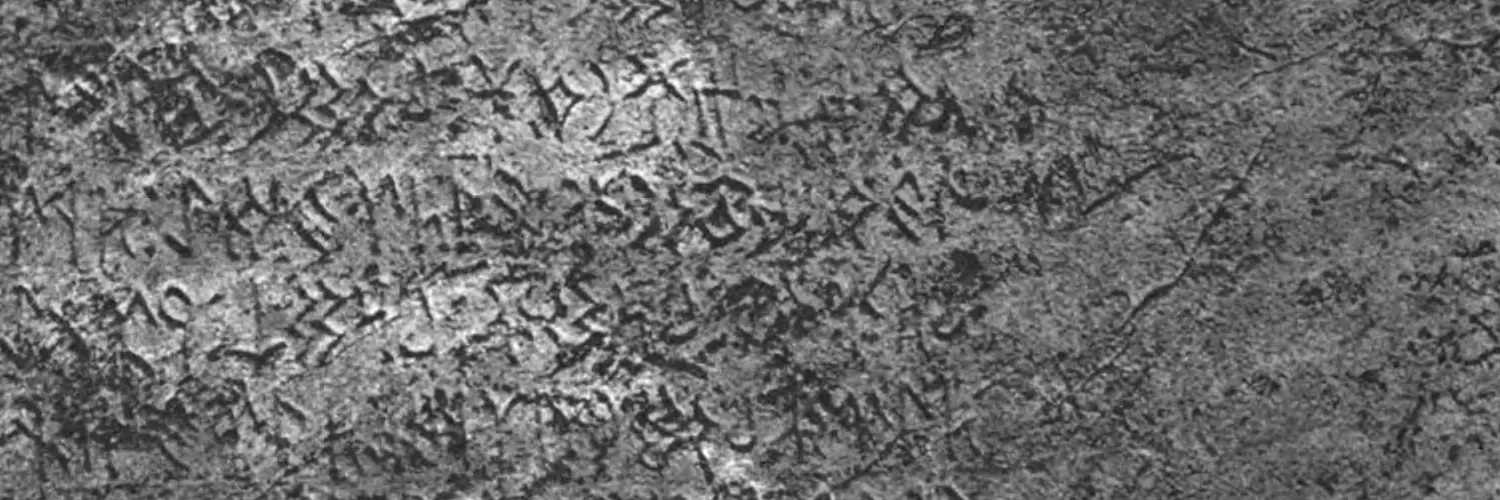
The Bilge Khan inscription is one of the two great runiform monuments on the Orkhon. It was raised for Bilge Khan of the Second Göktürk Khaganate.[1] Its historical section begins with the creation of the world and passes at once to Bumin and Istemi. This section runs parallel to the same section of the Kül Tegin inscription. The two monuments differ chiefly where each speaks of the deeds of the man it commemorates.
Because of this parallelism the two monuments are not two witnesses. Where they carry the same wording, they attest one text. Counting them twice would inflate the evidence. The Kül Tegin article prints the shared section in full. The text below prints it again, and each passage names its parallel.
The appendix of the edition
The edition with the German translation presents its appendix as the inscription of Bilge Khan. Elsewhere, however, the same volume quotes the shared opening lines as Kül Tegin’s.[2] The text itself can now settle the question. The appendix opens with Teŋri teg Teŋri yaratmış Türük Bilge Qaġan, “made by Heaven”. This is the royal style of the Bilge Khan monument. The Kül Tegin monument opens with teŋri teg teŋride bolmış, “born of Heaven”.[1] The appendix also gives the speaker’s age at his installation as shad, which is fourteen. The Kül Tegin text does not give this age.[1] The appendix is therefore what its editor says it is. Where it prints the shared historical section, that section is common to both monuments and is cited under the Kül Tegin inscription. Where it prints what follows, that is Bilge Khan’s own.
Text
The passages are given in the order east face, southeast edge, north face, south face, southwest edge and west face. Each passage has its line numbers in the heading. Below the heading come the runiform line where one could be set, the transcription in italics, and the English translation. The transcription and the line numbers follow the edition of Talât Tekin: D is the east face, GD the southeast edge, K the north face, G the south face, G-B the southwest edge and B the west face.[3] The edition prints no runes. The runiform lines come from a runiform transcription of the stone in the open Turkish-language collection of the Orkhon texts. Each of them stands only where it agrees with Tekin’s reading word for word. Where no runiform line stands, that transcription reads at least one word differently from Tekin, or it has no text for the passage.
Square brackets mark text that is lost from the stone and restored in the edition. A runiform line shows […] at the same place. Angle brackets ⟨ ⟩ mark letters or words the stone-cutter left out. The translation writes khan where the Turkic has qaġan. Constitutional terms such as yabgu, shad, tegin and balbal are left untranslated. Ages are given in modern reckoning. Old Turkic counts toward the coming decade, so that altı otuz, “six toward thirty”, is twenty-six.
The north face is the same text as the south face of the Kül Tegin monument, apart from its last seven lines. The east face from its second to its twenty-fourth line runs, with small differences, parallel to the first thirty lines of the east face there.[4] Where the wording agrees, the translation is that of the Kül Tegin inscription article, and the passage names its parallel there. In those places the two stones are one text, not two witnesses. The south face from its tenth line on, and the six lines of the west face, are spoken by Bilge Khan’s son, Tengri Khan, who had the stone raised.[5]
D 1–D 2 — The royal style
Teŋri teg, Teŋri yaratmış, Türük Bilge Kağan sabım: [K]aŋım Türük Bilg[e Kağan … Al]tı Sir, Tokuz Oğuz, Eki Ediz kerekülüğ beğleri bodunı […Tü]rük T[eŋ]ri […] üze kağan olurtum.
Like Heaven, made by Heaven: I, Bilge Khan of the Turks. These are my words. My father, Bilge Khan of the Turks, [ … ] the Six Sir, the Nine Oghuz, the lords of the two Ediz with their tents, and the people [ … ] the Turk Heaven [ … ] I took the throne as khan.
Bilge means “wise”. The edition’s glossary lists Bilge Kağan as the name or title of a khan.[6] Sir and Ediz are names of peoples. The text therefore names the Six Sir and the Two Ediz beside the Nine Oghuz.[7]
D 2 — The enthronement
Olurtukuma, ölteçiçe sakınığma Türük beğler bodun [ö]girip sebinip toŋıtmış közi yüğerü körti. Bödke özüm olurup bunça ağır törüğ tört buluŋdakı […]dim.
When I took the throne, the Turk lords and people had been anxious to the point of death. They were proud and glad, and their lowered eyes looked up. I myself took the throne at that time, and [ … ] so many weighty laws in the four quarters.
D 2–D 3 — The world is made, and so is the Turk state
𐰇𐰕𐰀: 𐰚𐰇𐰚: 𐱅𐰭𐰼𐰃: 𐰽𐰺𐰀: […]: 𐰚𐰃𐰾𐰃: 𐰆𐰍𐰞𐰃𐰦𐰀: 𐰇𐰕𐰀: 𐰲𐰇𐰢: 𐰯𐰀𐰢: 𐰉𐰆𐰢𐰣: 𐰴𐰍𐰣: 𐰃𐰾𐱅𐰢𐰃: 𐰴𐰍𐰣: 𐰆𐰞𐰺𐰢𐱁: 𐰆𐰞𐰺𐰯𐰣: 𐱅𐰇𐰼𐰜: 𐰉𐰆𐰑𐰣𐰭: 𐰃𐰠𐰃𐰤: 𐱅𐰇𐰼𐰇𐰾𐰃𐰤: 𐱃𐰆𐱃𐰀: 𐰋𐰃𐰼𐰢𐰾: 𐰃𐱅𐰃: 𐰋𐰃𐰼𐰢𐰾
Üze kök teŋri as[ra yağız yer kılıntukda, ekin ara kişi oğlı kılınmış]. Kişi oğlınta üze eçüm apam Bumın Kağan, İştemi Kağan olurmış. Olurupan, Türük [b]odunıŋ ilin törüsin tuta birmiş, iti birmiş.
When the blue sky above and the brown earth below were made, between the two the sons of men were made. Over the sons of men sat my forefathers, Bumın Khan and İstemi Khan. Having taken the throne, they held and they ordered the realm and the law of the Turk people.
Parallel: Kül Tegin inscription, E1 (Tekin KT D 1).
D 3 — The four quarters
𐱅𐰇𐰼𐱅: 𐰉𐰆𐰞𐰭: 𐰴𐰆𐰯: 𐰖𐰍𐰃: 𐰼𐰢𐰾: 𐰾𐰇: 𐰾𐰇𐰠𐰯𐰤: 𐱅𐰇𐰼𐱅: 𐰉𐰆𐰞𐰭𐰑𐰴𐰃: 𐰉𐰆𐰑𐰣𐰍: […]
Tört buluŋ kop yağı ermiş. Sü sülepen, tört buluŋdakı bodunuğ [kop almış, kop baz kılmış].
The four quarters of the world were all enemies. Leading out armies, they took every people in the four quarters and made them all submit.
Parallel: Kül Tegin inscription, E2–E4 (Tekin KT D 2–3).
D 3–D 4 — Heads bowed, knees bent
Başlığığ [yü]küntürmiş, tizliğ[iğ sökürmiş]. İlgerü Kadırkan yışka teği, kirü] Temir Kapığka teği konturmış.
They made those who had heads bow them, and those who had knees bend them. Eastward they settled their people as far as the Kadırkan forest, westward [as far as the] Iron Gate.
D 4 — The Blue Göktürks
Ekin ara, idi oksuz Kök Türük iti anca olurur ermiş.
Between the two they set in order the Blue Göktürks, who lived in great disorder, and so they ruled.
Parallel: Kül Tegin inscription, E2–E4 (Tekin KT D 3–4). The translation of the first sentence follows Tekin, who reads idi oksuz as “very disorderly”; the Kül Tegin article gives the other reading under Readings.
D 4 — Wise and brave khans
𐰋𐰃𐰠𐰏𐰀: 𐰴𐰍𐰣: 𐰼𐰢𐰾: 𐰞𐰯: 𐰴𐰍𐰣: 𐰼𐰢𐰾: 𐰉𐰆𐰖𐰺𐰸𐰃: 𐰘𐰢𐰀: 𐰋𐰃𐰠𐰏𐰀: 𐰼𐰢𐰾: 𐰼𐰨: 𐰞𐰯: 𐰼𐰢𐰾: 𐰼𐰨: 𐰋𐰏𐰠𐰼𐰃: 𐰘𐰢𐰀: 𐰉𐰆𐰑𐰣𐰃: […]: 𐰇𐰲𐰇𐰤: 𐰃𐰠𐰏: 𐰨𐰀: 𐱃𐰆𐱃𐰢𐰾: 𐰼𐰨: 𐰃𐰠𐰏: 𐱃𐰆𐱃𐰯: 𐱅𐰇𐰼𐰇𐰏: […]
Bilge kağan ermiş, alp kağan ermiş; buyrukı ⟨yeme⟩ bilge ermiş erinç, alp ermiş erinç. Beğleri yeme bodunı [yeme tüz ermiş. Anı] üçün iliğ anca tutmış erinç; iliğ tutup törü[ğ itmiş. Özi anca kergek bolmış.]
They were wise khans; they were brave khans. Their ministers too were wise, surely, and brave, surely. Lords and commons alike were straight with one another. [That is why] they held the realm as they did. Holding the realm, they set the law [in order. Then they themselves died.]
D 5 — The mourners
Yoğçı sığıtçı öŋre kün tuğsıkda Bükli Çöllüğ il, Tabgaç, Tüpüt, Apar, Purum, Kırkız, Üç Kurıkan, Otuz Tatar, Kıtañ, Tatabı…
As mourners and wailers there came, from the east, from the sunrise, the Bükli Çöllüg people; and the Chinese, the Tibetans, the Avars, the Romans, the Kırgız, the Three Kurıkan, the Thirty Tatar, the Kıtañ, the Tatabı —
Parallel: Kül Tegin inscription, E4–E5 (Tekin KT D 4).
D 5 — The funeral
𐰉𐰆𐰨𐰀: 𐰉𐰆𐰑𐰣: 𐰚𐰠𐰯𐰤: 𐰽𐰃𐰍𐱃𐰀𐰢𐰾: 𐰖𐰆𐰍𐰞𐰀𐰢𐰾: 𐰦𐰍: 𐰚𐰇𐰠𐰏: 𐰴𐰍𐰣: 𐰼𐰢𐰾
bunça bodun kelipen sığtamış, yoğlamış. Antağ külüğ kağan er[miş.
peoples this many came, and wept, and made the funeral. Such famous khans they were.
D 5–D 6 — Brothers and sons as khans
[…]: 𐰴𐰍𐰣: […]: 𐰼𐰨: 𐰆𐰍𐰞𐰃𐱃𐰃: 𐰴𐰍𐰣: 𐰉𐰆𐰞𐰢𐰾: 𐰼𐰨: 𐰦𐰀: […]: 𐰴𐰃𐰞𐰣𐰢𐰑𐰸: 𐰼𐰨: 𐰆𐰍𐰞𐰃: 𐰴𐰭𐰃𐰤: 𐱅𐰏: 𐰴𐰃𐰞𐰣𐰢𐰑𐰸: 𐰼𐰨: 𐰋𐰃𐰠𐰏𐰾𐰃𐰕: 𐰴𐰍𐰣: 𐰆𐰞𐰺𐰢𐰾: 𐰼𐰨: 𐰖𐰉𐰞𐰴: 𐰴𐰍𐰣: 𐰆𐰞𐰺𐰢𐰾: 𐰼𐰨
Anta kisre inisi] kağan [bolmış er]inç, oğlıt[ı] kağan bolmış erinç. Anta [kisre inisi eçisin teğ] kılınmaduk erinç, oğlı kaŋın teğ kılınmaduk erinç. Biliğsiz kağ[an ol]urmış erinç, yablak kağan olurmış erinç.
After them their younger brothers became khan, and their sons became khan. The younger brothers, however, were not made in the likeness of the elder, nor the sons in the likeness of their fathers. Khans without understanding took the throne; bad khans took the throne.
Parallel: Kül Tegin inscription, E4–E5 (Tekin KT D 5).
D 6 — The ministers
Buyrukı yeme biliğsiz ermiş erinç, yablak ermiş erinç.
And their ministers too were without understanding, and bad.
D 6–D 7 — How the state was lost
Beğleri bodunı tüzsüz üçün, Tabgaç bodun tebl[iğin] kürlüğin [üçün, armakçı]sın üçün, inili [eçili kikşürtükin üçün, beğli bodunlığ] yoŋaşurtukın üçün, Türük bodun illedük ilin ıçgınu [ı]dmış, kağanladuk kağanın yitürü ıdmış. Tabgaç bodunka beğlik urı oğlın kul kıltı, eşilik kız oğlın küŋ kıltı.
Because their lords and their commons were not straight with one another; because the Chinese were devious and full of guile; because they were tricksters; because they set younger brother against elder brother and put lords and commons to slandering one another — for these reasons the Turk people let slip the realm they had made a realm, and lost the khan they had made khan. To the Chinese they made their sons, who should have been lords, slaves, and their daughters, who should have been ladies, serving-women.
Parallel: Kül Tegin inscription, E6–E8 (Tekin KT D 6–7).
D 7 — Turk titles given up
𐱅𐰇𐰼𐰜: 𐰋𐰏𐰠𐰼: 𐱅𐰇𐰼𐰜: 𐰀𐱃𐰃𐰤: 𐰃𐱃𐰃: 𐱃𐰉𐰍𐰲𐰍𐰃: 𐰋𐰏𐰠𐰼: 𐱃𐰉𐰍𐰲: […]
Türük beğler Türük atın ıttı; Tabg[açgı] beğler Tabg[aç atın tutupan Tabgaç kağanka körmiş.
The Turk lords threw away their Turk titles. The lords who served the Chinese took Chinese titles [and became subjects of the Chinese khan.]
D 7–D 8 — Fifty years of service
[…]: 𐰃𐰾𐰏: 𐰚𐰇𐰲𐰏: 𐰋𐰃𐰼𐰢𐰾
Eliğ yıl] işiğ küçüğ birmiş.
[For] fifty years they gave their toil and their strength.
Parallel: Kül Tegin inscription, E6–E8 (Tekin KT D 7–8). Tekin takes the last clause as conquests made for China; the Kül Tegin article renders it as giving up the realm and the law.
D 8 — Campaigns for the Chinese khan
İlgerü, kün tuğsıkka, Bükli [k]ağanka teği süleyü birmiş, kurığaru Temir Kapığka ⟨teği⟩ süleyü birmiş; Tabgaç kağanka ilin törüsin alı birmiş.
Eastward, toward the sunrise, they campaigned for him as far as the Bükli khan; westward they campaigned for him as far as the Iron Gate. For the Chinese khan they took realms and their law and gave them to him.
The edition’s glossary lists Bükli as a place name. The line names the khan of that land as the eastern limit of the campaigns.[8] The same name stands among the mourners at D 5. What it names is argued in the Bökli debate, which spells the name Bökli.
D 8–D 9 — What the people said
𐱅𐰇𐰼𐰜: 𐰴𐰺𐰀: 𐰴𐰢𐰍: 𐰉𐰆𐰑𐰣: 𐰨𐰀: 𐱅𐰃𐰢𐰾: 𐰃𐰠𐰠𐰏: 𐰉𐰆𐰑𐰣: […]: 𐰴𐰍𐰣𐰞𐰍: 𐰉𐰆𐰑𐰣: 𐰼𐱅𐰢: 𐰴𐰍𐰣𐰢: 𐰴𐰣𐰃: 𐰤𐰀: 𐰴𐰍𐰣𐰴𐰀: 𐰃𐰾𐰏: 𐰚𐰇𐰲𐰏: 𐰋𐰃𐰼𐰇𐰼𐰢𐰤: 𐱅𐰃𐰼: 𐰼𐰢𐰾
Türük kara kamağ bodun anca timiş: “İlliğ bodun [ertim; ilim amtı kanı? Kemke iliğ kazganur men?” tir ermiş]. “Kağanlığ bodun ertim; kağanım kanı? Ne kağanka işiğ küçüğ birür men?” tir ermiş.
And the whole common Turk people said this: “I was a people that had a realm. [Where is my realm now? For whom am I winning realms?”] — that is what they said. “I was a people that had a khan. Where is my khan? To what khan am I giving my toil and my strength?” — that is what they said.
Parallel: Kül Tegin inscription, E8–E9 (Tekin KT D 8–9).
D 9 — The Turks turn on China
𐰨𐰀: 𐱅𐰃𐰯: 𐱃𐰉𐰍𐰲: 𐰴𐰍𐰣𐰴𐰀: 𐰖𐰍𐰃: 𐰉𐰆𐰞𐰢𐰾: 𐰖𐰍𐰃: 𐰉𐰆𐰞𐰯: 𐰃𐱅𐰤𐰇: 𐰖𐰺𐱃𐰆𐰣𐰆: 𐰆𐰢𐰑𐰸: 𐰖𐰣: 𐰃𐰲𐰚𐰢𐰾
Anca tip Tabgaç kağanka yağı bolmış. Yağı bolup, itinü yaratınu umaduk, yana içikmiş.
Speaking so, they became enemies of the Chinese khan. But having become enemies they could not organise themselves or set themselves in order, and they submitted again.
Parallel: Kül Tegin inscription, E9–E11 (Tekin KT D 9–10).
D 9 — China’s answer
Bunça işiğ küçüğ birtükkerü sakınmatı “Türük bodunuğ ölür[eyin, uruğsır]atayın” [tir ermiş.]
China, giving no thought at all to how much toil and strength they had been given, said: “Let me kill the Turk people. Let me [leave them without seed.”]
D 9–D 10 — Heaven intervenes
[Üze] Türük Teŋrisi ⟨Türük⟩ ıduk yiri subı anca etmiş erinç: Türük bodun yok bolmazun tiyin, bodun bolçun tiyin, kaŋım İlteriş Kağanığ öğüm İlbilge Katunuğ teŋri töpüsinte tutup yüğerü kötürti erinç.
[Then] the Turk Heaven and the holy Earth and Water of the Turks did this: so that the Turk people should not perish, so that they should be a people, they held my father İlteriš Khan and my mother İlbilge Katun at the crown of Heaven and raised them up.
Parallel: Kül Tegin inscription, E9–E11 (Tekin KT D 10–11). Tekin reads etmiş, “did”, where the Kül Tegin article has “spoke”.
D 10–D 11 — Seventeen men
𐰴𐰭𐰢: 𐰴𐰍𐰣: 𐰘𐰃𐱅𐰃𐰘𐰏𐰼𐰢𐰃: 𐰼𐰤: 𐱃𐱁𐰚𐰢𐰾: […]: 𐰖𐰆𐰺𐰖𐰆𐰺: […]: 𐰉𐰞𐰶𐰑𐰴𐰃: 𐱃𐰍𐰶𐰢𐰾: […]: 𐰃𐰤𐰢𐰾: 𐱅𐰃𐰼𐰠𐰯: 𐰘𐱅𐰢𐰾: 𐰼: 𐰉𐰆𐰞𐰢𐰾: 𐱅𐰭𐰼𐰃: 𐰜𐰇𐰲: 𐰋𐰃𐰼𐱅𐰜: 𐰇𐰲𐰤: 𐰴𐰭𐰢: 𐰴𐰍𐰣: 𐰾𐰇𐰾𐰃: 𐰋𐰇𐰼𐰃: 𐱅𐰏: 𐰼𐰢𐰾: 𐰖𐰍𐰃𐰾𐰃: 𐰸𐰆𐰪: 𐱅𐰏: 𐰼𐰢𐰾: 𐰃𐰠𐰏𐰼𐰇: 𐰸𐰆𐰺𐰍𐰺𐰆: 𐰾𐰇𐰠𐰯: 𐱅𐰃𐰼𐰢𐱁: 𐰴𐰆𐰉𐰺𐱃𐰢𐱁: 𐰴𐰢𐰍𐰃: 𐰘𐱅𐰃𐰘𐰕: 𐰼: 𐰉𐰆𐰞𐰢𐰾
Kaŋım kağan yeti yeğirmi erin taş[ık]m[ış. “Taşra yo[rı]yur” [tiyin kü eşidip b]al[ık]d[akı] tağ[ıkmış, tağdakı] inmiş, tirilip yetmiş er bolmış. Teŋri küç birtük üçün, kaŋım Kağan süsi böri teğ ermiş, yağısı koñ teğ ermiş. İlgerü kurığaru sülep tirmiş kubratmış. Kamağı yeti yüz er bolmış.
My father the khan went out with seventeen men. Hearing the report that “he is marching out there,” those who were in the towns went up into the mountains, and those who were in the mountains came down; and they gathered, and they became seventy men. Because Heaven gave them strength, my father the khan’s army was like wolves and his enemies were like sheep. Campaigning east and campaigning west, he collected them and drew them together; in all they became seven hundred men.
Parallel: Kül Tegin inscription, E11–E13 (Tekin KT D 11–12).
D 11–D 12 — The state rebuilt
𐰘𐱅𐰃𐰘𐰕: 𐰼: 𐰉𐰆𐰞𐰯: 𐰠𐰾𐰼𐰢𐰾: […]: 𐰉𐰆𐰑𐰣𐰍: 𐱅𐰇𐰼𐰜: 𐱅𐰇𐰼𐰇𐰾𐰇𐰤: […]: 𐰉𐰆𐰑𐰣𐰍: 𐰲𐰇𐰢: 𐰯𐰀𐰢: 𐱅𐰇𐰼𐰇𐰾𐰃𐰨𐰀: 𐰖𐰺𐱃𐰢𐰾: 𐰉𐰆𐱁𐰍𐰆𐰺𐰢𐰾: 𐱅𐰇𐰠𐰃𐰾: 𐱃𐰺𐰑𐰆𐱁: 𐰉𐰆𐰑𐰣𐰍: 𐰦𐰀: 𐱅𐰢𐰾: 𐰖𐰉𐰍𐰆𐰍: 𐱁𐰑𐰍: 𐰦𐰀: 𐰋𐰼𐰢𐰾: 𐰋𐰼𐰘𐰀: 𐱃𐰉𐰍𐰲: 𐰉𐰆𐰑𐰣: 𐰖𐰍𐰃: 𐰼𐰢𐰾: 𐰘𐰃𐰺𐰖𐰀: 𐰉𐰕: 𐰴𐰍𐰣: 𐱃𐰸𐰆𐰕𐰆𐰍𐰕: 𐰉𐰆𐰑𐰆𐰣: 𐰖𐰍𐰃: 𐰼𐰢𐰾: 𐰶𐰃𐰺𐰴𐰕: […]
Yeti yüz er bolup el[siremiş kağansıramış bodunuğ, küŋedmiş, kuladmış bod]unuğ, Türük törüsin [ıçgınmış] bodunuğ, eçüm apam törüsinçe yaratmış boşg[ur]mış. Tölis Tarduş bodunuğ anta itmiş, Yabguğ Şadığ anta birmiş. Birye Tabgaç bodun yağı ermiş, yırya baz kağan, Tokuz Oğuz bodun yağı ermiş. Kı[rkız, Kurıkan, Otuz Tatar, Kıtañ, Tatabı kop yağı ermiş.
A people that had lost its realm, a people that had lost its khan; a people that had been turned into serving-women and slaves; a people that had let the Turk law slip — he set them in order and he taught them, according to the law of my forefathers. There he organised the Tölis and the Tarduš peoples, and there he gave them a yabgu and a shad. To the south the Chinese were enemies. To the north the subject khan and the Nine Oghuz were enemies. The Kırgız, the Kurıkan, the Thirty Tatar, the Kıtañ and the Tatabı were all enemies.
Parallel: Kül Tegin inscription, E13–E14 (Tekin KT D 13–14). Tekin takes baz kağan in the north line as “the subject khan”, not a name; the Kül Tegin article gives both readings.
D 12–D 13 — The father’s wars
Kaŋım k[ağan bunça … bodunuğ …] kır[k artukı] yiti yolı sülemiş, yeğirmi süŋüş süŋ[üş]miş. Teŋri yarlıkaduk üçün, illiğiğ ilsiretmiş, kağanlığığ kağansıratmış, yağığ baz kılmış, tizliğiğ sökürmiş, başlığığ yüküntürmiş.
My father the khan [ … ] campaigned forty-seven times and fought twenty pitched battles. Because Heaven so ordained, he took the realm from those who had realms and the khan from those who had khans; he made enemies submit, he made those who had knees bend them and those who had heads bow them.
Parallel: Kül Tegin inscription, E15–E16 (Tekin KT D 15–16). Tekin has the subject khan set up as balbal; the Kül Tegin article has “first balbal”.
D 13 — The father’s death
Kaŋım [kağan, iliğ törüğ kazganıp uça barmış]. Kaŋım [kağanka] başlayu baz kağanığ balbal tik[miş.
[Having won the realm and the law, my father the khan flew away.] For my father the khan, first of all the subject khan was set up as a balbal.
D 13–D 14 — Eight years old
[…]: 𐰴𐰍𐰣: 𐰆𐰲𐰑𐰸𐰑𐰀: 𐰇𐰕𐰢: 𐰾𐰚𐰃𐰕: 𐰖𐱁𐰑𐰀: 𐰴𐰞𐱃𐰢: 𐰆𐰞: 𐱅𐰇𐰼𐰇𐰓𐰀: 𐰇𐰕𐰀: 𐰲𐰃𐰢: 𐰴𐰍𐰣: 𐰆𐰞𐰺𐱃𐰃
Kaŋım] kağan uçdukda özüm sekiz yaşda kaltım. Ol [t]örüde üze eçim kağan olurtı.
When my father the khan died, I was left at eight years of age. By the custom of that time my uncle became khan.
Parallel: Kül Tegin inscription, E15–E16 (Tekin KT D 16). The age of eight is stated here only.
D 14 — The uncle nourishes the people
Olurupan Türük bodunuğ yiçe itdi, yiçe iğitti.
Having taken the throne, my uncle set the Turk people in order once more, and nourished them once more.
D 14 — The poor made rich
𐰲𐰃𐰍𐰪𐰍: 𐰉𐰖: 𐰶𐰡𐰃: 𐰕𐰃𐰍: 𐰜𐰇𐱁: 𐰶𐰡𐰃
Çığañığ bay kıltı, azığ üküş kıltı.
He made the poor rich, and the few many.
D 14 — Tegin and shad at fourteen
Eçim kağan olurtukka özüm tiğin erk[…] iy[…] Teŋri yarlıkaduk üçün tört yeğirmi yaşımka Tarduş bodun üze Şad olurtum.
When my uncle was khan, I myself was a tegin [ … ] [ … ] Because Heaven so ordained, at the age of fourteen I became shad over the Tarduš people.
Parallel: Kül Tegin inscription, E17–E18 (Tekin KT D 17). The age of fourteen is stated here only.
A tegin is a prince. The text says that Bilge Khan was one while his uncle was khan.[11][12] A modern account dates his appointment as šad over the Tarduš to 697. It places the Tarduš, probably, near the Irtysh at the foot of the Altai.[11]
D 15–D 16 — The campaigns with the uncle
𐰲𐰃𐰢: 𐰴𐰍𐰣: 𐰋𐰃𐰼𐰠𐰀: 𐰃𐰠𐰏𐰼𐰇: 𐰖𐱁𐰞: 𐰇𐰏𐰕: 𐱁𐰦𐰆𐰭: 𐰖𐰕𐰃𐰴𐰀: 𐱅𐰏𐰃: 𐰾𐰇𐰠𐰓𐰢𐰕: 𐰸𐰆𐰺𐰍𐰺𐰆: 𐱅𐰢𐰼: 𐰴𐰯𐰍𐰴𐰀: 𐱅𐰏𐰃: 𐰾𐰇𐰠𐰓𐰢𐰕: 𐰚𐰇𐰏𐰢𐰤: 𐱁𐰀: 𐰶𐰃𐰺𐰴𐰕: 𐰘𐰃𐰼𐰃𐰭𐰀: 𐱅𐰏𐰃: 𐰾𐰇𐰠𐰓𐰢𐰕: […]: 𐰋𐰃𐱁𐰆𐱃𐰕: 𐰾𐰇𐰠𐰓𐰢𐰕: […]: 𐰇𐰲𐰘𐰏𐰼𐰢𐰃: […]: 𐰾𐰇𐰚𐰼𐱅𐰢𐰕: 𐰉𐱁𐰞𐰍𐰍: 𐰘𐰜𐰇𐰦𐰼𐱅𐰢𐰕
Eçim kağan birle ilgerü Yaşıl üğüz Şantuŋ yazıka teği süledimiz, kurığaru Temir Kapığka teği süledimiz, Kögmen aşa Kırkız yiriŋe teği sü[ledimiz. Kamağı] biş otuz sü[ledim]iz, [üç yeğir]mi [süŋüşdümiz. İlliğiğ ilsiretdimiz, kağanlığığ kağansıratdımız. Tizliğiğ] sökürtümiz, başlığığ yüküntürtümiz.
Together with my uncle the khan we campaigned eastward as far as the Green River and the plain of Shantung; westward we campaigned as far as the Iron Gate; crossing the Kögmen we campaigned as far as the country of the Kırgız. Twenty-five times in all we went out, and thirteen times we fought pitched battles. We took the realm from those who had realms and the khan from those who had khans; we made those who had knees bend them and those who had heads bow them.
Parallel: Kül Tegin inscription, E17–E18 (Tekin KT D 17–18).
D 16 — The Türgeš
𐱅𐰇𐰼𐰏𐰾: 𐰴𐰍𐰣: 𐱅𐰇𐰼𐰜𐰢: 𐰉𐰆𐰑𐰣𐰃𐰢: 𐰼𐱅𐰃: 𐰋𐰃𐰠𐰢𐰓𐰇𐰚𐰤: 𐰇𐰲𐰇𐰤: 𐰋𐰃𐰕𐰭𐰀: 𐰖𐰭𐰞𐰑𐰸𐰃𐰤: 𐰖𐰕𐰃𐰦𐰸𐰃𐰤: 𐰇𐰲𐰇𐰤: 𐰴𐰍𐰣𐰃: 𐰇𐰠𐱅𐰃: 𐰉𐰆𐰖𐰺𐰸𐰃: 𐰋𐰏𐰠𐰼𐰃: 𐰘𐰢𐰀: 𐰇𐰠𐱅𐰃: 𐰆𐰣: 𐰸: 𐰉𐰆𐰑𐰣: 𐰢𐰏𐰚: 𐰚𐰇𐰼𐱅𐰃: 𐰲𐰇𐰢𐰕: […]: 𐰘𐰃𐰼: 𐰽𐰆𐰉: 𐰃𐰓𐰾𐰕: 𐰴𐰞𐰢𐰕𐰆𐰣: 𐱅𐰃𐰘𐰤: […]: 𐰼𐱅𐰃
Türgiş [k]ağan Türüküm, bodunum erti. Bilmedükin üçün, biziŋe yaŋıltukın yazıntukın üçün, kağanı ölti, buy[ruk]ı beğleri yeme ölti, On-Ok bodun emgek körti. Eçü[miz apamız tutmış yi]r su[b idi]siz kalmazun [tiy]in [Az bodunuğ itip yaratıp [… Bars, beğ] erti.
The Türgeš khan was of our own Turk stock, of our own people. Because they did not understand, because they went wrong against us and offended against us, their khan died, and his ministers and lords died with him. The Ten Arrow people came to grief. So that the land and the water our forefathers had held should not be left without a master, [we set the Az people in order and organised them … ] Bars was a lord.
Parallel: Kül Tegin inscription, E18–E19 (Tekin KT D 19–20).
D 17 — The khan’s title and the princess
𐰴𐰍𐰣: 𐱃𐰍: 𐰉𐰆𐰦𐰀: 𐰋𐰃𐰕: 𐰋𐰃𐰼𐱅𐰢𐰕: 𐰾𐰃𐰭𐰠𐰢: 𐰸𐰆𐰨𐰖𐰆𐰍: 𐰋𐰃𐰼𐱅𐰢𐰕: 𐰇𐰕𐰃: 𐰖𐰕𐰦𐰃: 𐰴𐰍𐰣𐰃: 𐰇𐰠𐱅𐰃: 𐰉𐰆𐰑𐰣𐰃: 𐰚𐰇𐰭: 𐰸𐰆𐰞: 𐰉𐰆𐰡𐰃
Kağan atığ bunta biz birtimiz. Siŋilim ku[nç]uyuğ birtimiz. Özi yazıntı. Kağanı ölti, bodunı küŋ kul boltı.
It was we who gave him the title of khan here. We gave him my younger sister as his princess.[13][14] He himself went wrong, and so their khan died and their people became serving-women and slaves.
Parallel: Kül Tegin inscription, E20 (Tekin KT D 20–21).
D 17 — The land of the Kögmen
Kögmen yir sub idisiz ka[l]mazun tiyin Az Kırkız bodunuğ i[tip] yaratıp keltim[iz s]üŋüş[düm iz … yana birtimiz.
Saying, “let the land and water of the Kögmen not be left without a master,” we set the Az and the Kırgız in order, and came, [and fought … ] and gave [it] again.
D 17–D 18 — East and west settled
[…]: 𐰴𐰑𐰺𐰴𐰣: 𐰘𐱁𐰍: […]: 𐰉𐰆𐰑𐰣𐰍: 𐰨𐰀: 𐰸𐰆𐰦𐰆𐰺𐱃𐰢𐰕: […]: 𐰸𐰆𐰺𐰍𐰺𐰆: 𐰚𐰭𐰇: 𐱃𐰺𐰉𐰣𐰴𐰀: 𐱅𐰏𐰃: 𐱅𐰇𐰼𐰜: 𐰉𐰆𐰑𐰣𐰍: 𐰨𐰀: 𐰸𐰆𐰦𐰺𐱃𐰢𐰕: 𐰨𐰀: 𐱅𐰓𐰢𐰕
İlgerü] Kadırkan yı[şığ aşa] b[od]unuğ anca kontur[tumız, anca itdimiz]. Kurığaru Keŋü Tarbanka teği Türük bodunuğ anca kontur[t]umız, anca itdimiz.
[Eastward, crossing the Kadırkan forest, we settled the people] there and ordered them there; westward, as far as Keŋü Tarban, we settled the Turk people there and ordered them there.
Keŋü Tarban is a place name. The glossary also lists Keŋü Tarman as a place name.[15] The Kül Tegin inscription gives the same limit of the settlement as Keŋü Tarman (E21).[15]
D 18 — The realm they had won
𐰆𐰞: 𐰇𐰓𐰚𐰀: 𐰸𐰆𐰞: 𐰸𐰆𐰞𐰞𐰍: 𐰚𐰇𐰭: 𐰚𐰇𐰭𐰠𐰍: 𐰉𐰆𐰞𐰢𐰾: 𐰼𐱅𐰃: 𐰃𐰤𐰃𐰾𐰃: 𐰲𐰃𐰾𐰃𐰤: 𐰋𐰃𐰠𐰢𐰕: 𐰼𐱅𐰃: 𐰆𐰍𐰞𐰃: 𐰴𐰭𐰃𐰤: 𐰋𐰃𐰠𐰢𐰕: 𐰼𐱅𐰃: 𐰨𐰀: 𐰴𐰕𐰍𐰣𐰢𐰾: 𐰨𐰀: 𐰃𐱅𐰢𐰾: 𐰠𐰢𐰕: […]: 𐰉𐰆𐰑𐰣: 𐰾𐰓
Ol ödke kul kulluğ, küŋ küŋlüğ bolmış erti. İnisi [eç]isin bilmez erti, oğlı kaŋın bilmez erti. Anca kazganmış, anca itmiş ilimiz [törümiz erti. Türük, Oğuz beğleri bo]dun, eşid!
In that time the slave had come to have slaves of his own, and the serving-woman serving-women of her own. Younger brother did not know elder brother, nor son his father. So much had we won, and so well ordered was that [realm and law] of ours. [Lords of the Turks and of the Oghuz, and you, the] people — hear me!
Parallel: Kül Tegin inscription, E22 (Tekin KT D 21–22).
D 18 — Who could have destroyed it
Üze teŋri basm[asar, asra] yer telinmeser, Türük bodun, iliŋin törüğin kem artatı udaçı [ert]i?
Unless the sky presses down from above, unless the earth splits open below, Turk people, who is there that could destroy your realm and your law?
D 19 — “Give it up, and repent”
𐱅𐰇𐰼𐰜: 𐰉𐰆𐰑𐰣: 𐰼𐱅𐰤: 𐰇𐰚𐰇𐰤: 𐰚𐰇𐰼𐰏𐰇𐰭𐰤: 𐰇𐰲𐰇𐰤: 𐰃𐰏𐰓𐰢𐰾: 𐰋𐰃𐰠𐰏𐰀: 𐰴𐰍𐰣𐰭𐰀: 𐰼𐰢𐰾: 𐰉𐰺𐰢𐰾: […]: 𐰠𐰭𐰀: 𐰚𐰦𐰇: 𐰖𐰭𐰡𐰍: 𐰖𐰉𐰞𐰴: 𐰚𐰃𐰏𐰇𐰼𐱅𐰏
Türük bodun, ertin, ökün! Küreğüŋin üçün, iğidmiş ⟨bilge⟩ kağanıŋa, ermiş bar[mış edgü] eliŋe kentü yaŋıltığ, yablak kiğürtüğ.
Turk people — give it up, and repent! Out of your own insubordination you went wrong against the khan who had nourished you and against the good realm that was yours; you brought evil in with your own hands.
Parallel: Kül Tegin inscription, E22–E25 (Tekin KT D 23–24).
D 19 — Who scattered the people
Yaraklığ kantan kelip yañıltı? Süŋüğlüğ kantan [kelip] süre i[ltdi?
Where did armed men come from, to scatter you? Where did men with spears come from, to drive you off?
D 19–D 20 — East and west
𐰠𐱅𐰓𐰃: 𐰃𐰑𐰸: 𐰇𐱅𐰜𐰤: 𐰖𐰃𐱁: 𐰉𐰆𐰑𐰣: 𐰉𐰺𐰑𐰍: 𐰃𐰠𐰏𐰼𐰇: […]: 𐰉𐰺𐰑𐰍: 𐰸𐰆𐰴𐰃𐰍𐰺𐰆: 𐰉𐰺𐰃𐰍𐰢𐰀: 𐰉𐰺𐰑𐰍
I]duk Ö[tüken] yış bodun, bardığ. İlgerü [barığma] bardığ, ku[r]ığaru barığma bardığ.
People of the holy Ötüken forest — you went. Some of you went east; some of you went west.
D 20 — The price of leaving
Barduk yerde edgüğ ol erinç: [K]anıŋ üğüzçe yüğürti, süŋüküğ tağça yatdı; beğlik urı oğluŋın kul kıltığ, eşilik [kız oğluŋın küŋ] kıltığ.
And in the places you went to, this, surely, is the good you got: your blood ran like a river, and your bones lay piled like mountains. You made your sons, who should have been lords, slaves, and [your daughters, who should have been ladies, serving-women.]
D 20–D 21 — Heaven sets Bilge Khan on the throne
𐰆𐰞: 𐰋𐰃𐰠𐰢𐰓𐰜𐰇𐰏𐰤: 𐰇𐰲𐰇𐰤: 𐰖𐰉𐰞𐰴𐰃𐰭𐰣: 𐰇𐰲𐰇𐰤: 𐰲𐰃𐰢: 𐰴𐰍𐰣: 𐰆𐰲𐰀: 𐰉𐰺𐰑𐰃: 𐰉𐱁𐰞𐰖𐰆: 𐰶𐰃𐰺𐰴𐰕: 𐰴𐰍𐰣𐰍: […]: 𐱅𐰇𐰼𐰜: 𐰉𐰆𐰑𐰣: 𐱃𐰃: 𐰚𐰇𐰾𐰃: 𐰖𐰸: 𐰉𐰆𐰞𐰢𐰕𐰆𐰤: 𐱅𐰃𐰘𐰤: 𐰴𐰭𐰢: 𐰴𐰍𐰣𐰍: 𐰇𐰏𐰢: 𐰴𐱃𐰆𐰣𐰍: 𐰚𐰇𐱅𐰼𐰏𐰢𐰀: 𐱅𐰭𐰼𐰃: 𐰃𐰠: 𐰋𐰃𐰼𐰏𐰢𐰀: 𐱅𐰭𐰼𐰃: 𐱅𐰇𐰼𐰜: 𐰉𐰆𐰑𐰣: 𐱃𐰃: 𐰚𐰇𐰾𐰃: 𐰖𐰸: 𐰉𐰆𐰞𐰢𐰕𐰆𐰤: 𐱅𐰃𐰘𐰤: 𐰇𐰕𐰢𐰤: 𐰆𐰞: 𐱅𐰭𐰼𐰃: 𐰴𐰍𐰣: 𐰆𐰞𐰺𐱃𐰑𐰃
Ol bilmedüküğin üçün, yablakıŋın üçün, eçim kağan uça bardı. Başlayu Kırkız kağanığ [balbal tikdim.] Türük bodun atı küsi yok bolmazun tiyin kaŋım Kağanığ, öğüm katunuğ kötürüğme Teŋri, il beriğ[me T]eŋri, Türük bodun atı küsi yok bolmazun tiyin, özümin ol Teŋri kağan olurtdı.
Because you did not understand, and because of your own wickedness, my uncle the khan died. First of all I [set up] the Kırgız khan [as a balbal.] So that the name and fame of the Turk people should not perish, the Heaven that raised up my father the khan and my mother the katun, the Heaven that gives realms — so that the name and fame of the Turk people should not perish, that same Heaven set me on the throne as khan.
Parallel: Kül Tegin inscription, E25–E26 (Tekin KT D 24–26). The balbal of the Kırgız khan is stated here and not in the Kül Tegin article.
D 21–D 22 — The people he came to rule
[Neŋ y]ılsığ bodunta üze olurmadım. İçre aşsız, taşra tonsuz yabız yablak bodunta [üze olurtum. T]igin eki şad inim Kül Tigin [bir]le sözleşdimiz: Kaŋımız eçimiz kazganmış bodun atı küsi yok bo[lmazun] tiyin Türük bodun üçün tün udımadım, küntüz olurmadım; inim Kül T[igin birle, eki şad] birle ölü yitü kazgantım.
[I did not come to rule] over a people of any wealth at all. I came to rule over a people with no food inside them and no clothes on their backs, a poor and wretched people. [The] tegin, the two shads and my younger brother Kül Tegin and I took counsel together: so that the name and the fame of the people our father and our uncle had won should not perish, for the sake of the Turk people I did not sleep at night and I did not sit still by day. Together with my younger brother Kül Tegin, together with [the two shads,] I won it at the price of dying and being lost.
Parallel: Kül Tegin inscription, E26 (Tekin KT D 26–27).
D 22–D 23 — The people come back
Anca kazganıp birki bodunuğ ot sub kılmadım. [Men özüm kağan olurtukuma], yir sayu barmış bodun [yadağın yalaŋın] ölü yitü [yana] kelti.
Having won it so, I did not let the people, once made one, turn into fire and water. [When I myself took the throne,] the people who had gone off to every country came back — dying, lost, [on foot and naked.]
Parallel: Kül Tegin inscription, E27–E28 (Tekin KT D 27–28).
D 23–D 24 — What he achieved
Bodunuğ iğideyin tiyin yırgaru [O]ğuz bodun tapa, ilgerü Kıtañ Tatabı bodun tapa birgerü Tabgaç tapa eki yeğirm[i süledim], süŋüşdüm. Anta kisre Teŋri yarlıkaduk üçün, kutum ülüğüm bar üçün, ölteçi bodunuğ t[irg]ürü iğittim. Yalaŋ bodunuğ tonluğ kıltım, çığañ bodunuğ bay kıltım. Az bodunuğ üküş kıltım, ığar elliğde, [ı]ğar kağanlığda yeğ kıltım. Tört buluŋdakı bodunuğ kop baz kıltım, yağısız kı[lt]ım.
Saying, “let me nourish this people,” I went out on campaign twelve times: northward against the Oghuz, eastward against the Kıtañ and the Tatabı, southward against China. After that, because Heaven ordained it, and because I had fortune and a portion allotted me, I brought back to life a people that was going to die, and I nourished them. The naked people I clothed; the poor I made rich; the few I made many. I made them better than those who have mighty realms and mighty khans. Every people in the four quarters I made submit, and made them enemies no longer.
D 24 — Subjects
𐰸𐰆𐰯: 𐰢𐰭𐰀: 𐰚𐰇𐰼𐱅𐰃
Kop maŋa körti.
All of them became my subjects.
D 24 — At seventeen: the Tangut
𐰘𐱅𐰃: 𐰘𐰏𐰼𐰢𐰃: 𐰖𐱁𐰢𐰀: 𐱃𐰭𐰆𐱃: 𐱃𐰯𐰀: 𐰾𐰇𐰠𐰓𐰢: 𐱃𐰭𐰆𐱃: 𐰉𐰆𐰑𐰣𐰍: 𐰉𐰆𐰕𐰑𐰢: 𐰆𐰍𐰞𐰃𐰤: 𐰖𐰆𐱃𐰕𐰃𐰤: 𐰘𐰃𐰞𐰴𐰃𐰾𐰃𐰤: 𐰉𐰺𐰢𐰃𐰤: 𐰦𐰀: 𐰞𐱃𐰢
Yeti yeğirmi yaşıma Taŋut tapa süledim. Taŋut bodunuğ buzdum. Oğlın, yu[tuz]ın, yılkısın barımın anta altım.
At the age of seventeen I campaigned against the Tangut. I defeated the Tangut people. There I took their sons, their women, their herds of horses and all their possessions.
D 24–D 25 — At eighteen: the Six Čub Sogdians and Oŋ Totok
𐰾𐰚𐰕: 𐰘𐰏𐰼𐰢𐰃: 𐰖𐱁𐰢𐰀: 𐰞𐱃𐰃: 𐰲𐰆𐰉: […]: 𐱃𐰯𐰀: 𐰾𐰇𐰠𐰓𐰢: 𐰉𐰆𐰑𐰣𐰍: 𐰦𐰀: 𐰉𐰆𐰕𐰑𐰢: 𐱃𐰉𐰍𐰲: 𐰆𐰭: 𐱃𐰆𐱃𐰸: 𐰋𐰾: 𐱅𐰇𐰢𐰤: 𐰾𐰇: 𐰚𐰠𐱅𐰃: 𐰃𐰑𐰸: 𐰉𐱁𐰑𐰀: 𐰾𐰇𐰭𐱁𐰓𐰢: 𐰆𐰞: 𐰾𐰇𐰏: 𐰦𐰀: 𐰖𐰆𐰸: 𐰴𐰃𐱁𐰑𐰢
Sekiz yeğirmi yaşıma altı çub [Soğdak] tapa süledim. Bodunuğ anta buzdum. Tab[gaç O]ŋ Totok beş tümen sü kelti. Iduk Başda süŋüşdüm, ol süğ anta yok kışdım.
At the age of eighteen I campaigned against the Six Čub [Sogdians.] There I defeated the people. The Chinese Oŋ Totok came with an army of fifty thousand. I fought at Iduk Baš, and there I wiped out that army.
Parallel: The Kül Tegin inscription (E30–E32) tells a battle against the same enemies, dated to Kül Tegin’s sixteenth year.
Çub is a Chinese loan for “district”. The edition renders the phrase as the Sogdians of “six districts”, and gives a second reading of the phrase at Kül Tegin E30–E32.[20] Oŋ is a Chinese name and totok the title of a military governor.[21] A modern account identifies him with the Chinese commander Wei Yuanzhong. It dates the clash to 701.[22]
D 25 — At twenty: the Basmıl
Yeğirmi yaşıma, Basmıl Iduk Kut uğuşum bodun erti, “Arkış ıdmaz” tiyin süledim k[…]t içgertim, kalıŋ [… …] ebirü kelürtüm.
At the age of twenty I campaigned against the Basmıl, the Iduk Kut, who were my kinsfolk, saying “they send no caravans.” [ … ] I made them subject, and I brought back much [ … ] tribute.
D 25–D 26 — At twenty-two: Čaça Seŋün
Eki otuz yaşıma Tabgaç tapa süledim. Çaça Seŋün sekiz tümen [sü] bi[r]le süŋüşdüm, süsin anta ölürtüm.
At the age of twenty-two I campaigned against China. I fought Čaça Seŋün, who came with an army of eighty thousand, and there I killed his army.
Parallel: The Kül Tegin inscription (E32–E33) tells a battle against the same Chinese general, dated to Kül Tegin’s twenty-first year.
Čaça is a Chinese name and seŋün the Chinese rank of general, as at Kül Tegin E32–E34.[7] A modern account identifies him with the Chinese general Shazha Zhongyi. It dates the battle to 705.[22]
D 26 — At twenty-six: the Čik
Altı otuz yaşıma Çik bodun, Kırkız birle yağı boltı. Kem keçe Çik tapa süledim. Örpente süŋüşdüm. Süsin sançdım, Az [b]o[dunuğ alt]ım [… iç]gertim.
At the age of twenty-six the Čik people became enemies, together with the Kırgız. I crossed the Kem and campaigned against the Čik. I fought at Örpen. I ran their army through. I took the Az people [ … ] and made [them] subject.
D 26–D 27 — At twenty-seven: the Kırgız
𐰘𐱅𐰃: 𐰆𐱃𐰕: 𐰖𐱁𐰃𐰢𐰀: 𐰶𐰃𐰺𐰴𐰕: 𐱃𐰯𐰀: 𐰾𐰇𐰠𐰓𐰢: 𐰾𐰇𐰭𐰏: 𐰉𐱃𐰢𐰃: 𐰴𐰺𐰍: 𐰾𐰇𐰚𐰯𐰤: 𐰚𐰇𐰏𐰢𐰤: 𐰘𐰃𐱁𐰍: 𐱃𐰆𐰍𐰀: 𐰖𐰆𐰺𐰃𐰯: 𐰶𐰃𐰺𐰴𐰕: 𐰉𐰆𐰑𐰣𐰍: 𐰆𐰑𐰀: 𐰉𐰽𐰑𐰢: 𐰴𐰍𐰣𐰃𐰤: 𐰋𐰃𐰼𐰠𐰀: 𐰽𐰆𐰭𐰀: 𐰘𐰃𐱁𐰑𐰀: 𐰾𐰇𐰭𐱁𐰓𐰢: 𐰴𐰍𐰣𐰃𐰤: 𐰇𐰠𐰼𐱅𐰢: 𐰃𐰠𐰤: 𐰦𐰀: 𐰞𐱃𐰢
Yeti o[tuz yaş]ıma Kırkız tapa süledim. Süŋüg batımı karığ sökupen, Kögmen yışığ toğa yo[rıp] Kırkız bodunuğ uda basdım. Kağanın birle Soŋa yışda süŋüşdüm. Kağanın ölürtüm, ilin anta altım.
At the age of twenty-seven I campaigned against the Kırgız. Breaking a way through snow deep enough to bury a spear, crossing the Kögmen range, I fell on the Kırgız people in their sleep. I fought their khan in the Soŋa forest. I killed their khan, and there I took his realm.
D 27–D 28 — The same year: the Türgeš at Bolču
𐰆𐰞: 𐰘𐰞𐰴𐰀: 𐱅𐰇𐰼𐰏𐰾: 𐱃𐰯𐰀: 𐰞𐱃𐰆𐰣: 𐰘𐰃𐱁𐰍: 𐱁𐰀: 𐰼𐱅𐰾: 𐰇𐰏𐰕𐰏: 𐰚𐰲𐰀: 𐰖𐰆𐰺𐰃𐰑𐰢: […]: 𐰆𐰑𐰀: 𐰉𐰽𐰑𐰢: 𐱅𐰇𐰼𐰏𐰾: 𐰴𐰍𐰣: 𐰾𐰇𐰾𐰃: 𐰆𐱃𐰲𐰀: 𐰉𐰆𐰺𐰲𐰀: 𐰚𐰠𐱅𐰃: 𐰉𐰆𐰞𐰲𐰆𐰑𐰀: 𐰾𐰇𐰭𐱁𐰓𐰢𐰕: 𐰴𐰍𐰣𐰃𐰤: 𐰖𐰉𐰍𐰆𐰾𐰃𐰤: 𐱁𐰑𐰃𐰤: 𐰦𐰀: 𐰇𐰠𐰼𐱅𐰢: 𐰃𐰠𐰤: 𐰦𐰀: 𐰞𐱃𐰢
Ol yılka Türgiş tapa Altun yışığ [aş]a Ertiş üğüzüğ keçe yorı[dım. Türgiş bodunuğ] uda basdım. Türgiş kağan süsi otça borça kelti. Bolçuda süŋüşdümiz. Kağanın, Yabgu[sı]n şadın anta ölürtüm, ilin anta altım.
That same year I marched against the Türgeš, crossing the Altai range and fording the Irtysh. [I fell on the Türgeš people] in their sleep. The Türgeš khan’s army came like fire and like a storm. We fought at Bolču. There I killed their khan, their yabgu and their shad, and there I took their realm.
D 28 — At thirty: Beš Balık
Otuz yaşıma Beş balık tapa süledim. Altı yolı süŋüşdüm [… S]üsin kop ö[l]ürtüm. Anta içreki ne kişi tin[…]i yok [bolt]açı er[ti …]a okığalı kelti. Beş balık anı üçün ozdı.
At the age of thirty I campaigned against Beš Balık. Six times I fought [ … ] I killed all their army [ … ] The people inside it [ … ] were going to perish [ … ] came to invite [me.] For that reason Beš Balık was saved.
D 28–D 29 — At thirty-one: the Karluk
Otuz artukı bir yaşıma Karluk bodun buŋsuz [er]ür barur erkli yağı boltı. Tamağ Iduk Başda süŋüşdümiz. Karluk bodunuğ ölürtüm, anta altım […]dım [Bas]mıl kara [… …] Karluk bodun tir[ilip kelti …]m ö[lürtüm].
At the age of thirty-one the Karluk people, who had been going about as they pleased, became enemies. We fought at Tamağ Iduk Baš. I killed the Karluk people, and there I took them [ … ] the Basmıl [ … ] The Karluk people regrouped and came [ … ] I killed [ … ]
Parallel: Kül Tegin inscription, N1–N3 (Tekin KT K 2).
Tamağ Iduk Baş is a place name. A modern account puts it at the source of the Tamir river and dates the battle to 714.[31]
D 29–D 30 — The Nine Oghuz
𐱃𐰸𐰆𐰕: 𐰆𐰍𐰕: 𐰢𐰤𐰤: 𐰉𐰆𐰑𐰣𐰢: 𐰼𐱅𐰃: 𐱅𐰭𐰼𐰃: 𐰘𐰼: 𐰉𐰆𐰞𐰍𐰴𐰃𐰤: 𐰇𐰲𐰤: 𐰇𐰓𐰃𐰭𐰀: 𐰚𐰇𐰤𐰃: 𐱅𐰏𐰓𐰜: 𐰇𐰲𐰤: 𐰖𐰍𐰃: 𐰉𐰆𐰡𐰃
To[kuz Oğ]uz meniŋ bodunum erti. Teŋri yer bulgakın üçün, ödiŋ[e] küni teğdük üçün, yağı boltı.
The Nine Oghuz were my own people. Because of the disorder between Heaven and Earth, and because envy had come into their minds, they became enemies.
Parallel: Kül Tegin inscription, N4–N8 (Tekin KT K 4).
The text calls the Nine Oghuz “my own people”.[32] The edition counts the Oghuz among the peoples of the Göktürks’ own descent and language, whom they fought many times.[33]
D 30–D 31 — Four battles in one year
Bir yılka tört yolı süŋüşdüm. Eŋ ilki Toğu Balıkda süŋüşdüm. Toğla üğüzüğ yüzüti keçip süsi […] Ekinti Antarguda süŋüşdüm. Süsin sançdım [… Üçünç [Çuş başında sü]ŋüşdüm. Türük bodun adak kamşattı, yablak boltaçı erti. Oza yañya keliğme süsin ağıttım. Üküş ölteçi anta tirilti. Anta Toŋra yılpağutı bir uğuşuğ Toŋa Tigin yoğ[ınta] eğire tokıdım. Törtünç Ezgenti Kadızda süŋüşdüm. Süsin anta sançdım, yabrıtdım […]
In one year I fought four battles. The first and foremost I fought at Toğu Balık. Swimming my army across the Toğla river, [ … ] The second I fought at Antargu. I ran their army through [ … ] The third I fought at the head of the Čuš. The Turk people’s foot gave way, and it would have gone badly. I drove back the enemy army that came pressing toward us. Many who would have died came back to life there. There I surrounded and struck a band of Toŋra champions at the funeral feast of Toŋa Tegin. The fourth I fought at Ezgenti Kadız. There I ran their army through and routed it [ … ]
Parallel: Kül Tegin inscription, N4–N8 (Tekin KT K 4–8), which counts five battles and gives the second at Košulgak.
The river Toğla is the Tola, a tributary of the Orkhon. The town of Toğu Balık is thought to stand near it.[34] Yılpağut means “brave warriors”, uğuş a clan or group, and yoğ a funeral ceremony.[35] A modern account places the four battles after the Karluk campaign of 714 and before the winter of 715.[31]
D 31 — Famine at Amgı
Otuz artukı eki yaşıma Amgı korgan kışladukda yut boltı.
At the age of thirty-two there was famine while we were wintering at the fortress of Amgı.
Parallel: Kül Tegin inscription, N8–N10 (Tekin KT K 8–9), the attack of the Oghuz on the royal camp.
Amgı korgan is the winter camp of the army, the fortress of Amgı.[36] A modern account dates the winter and the famine to 715.[31]
D 31–D 32 — The attack of the Three Oghuz
𐰖𐰕𐰭𐰀: 𐰆𐰍𐰕: 𐱃𐰯𐰀: 𐰾𐰇𐰠𐰓𐰢: 𐰃𐰠𐰚𐰃: 𐰾𐰇: 𐱃𐱁𐰶𐰢𐱁: 𐰼𐱅𐰃: 𐰚𐰃𐰤: 𐰾𐰇: 𐰋𐰓𐰀: 𐰼𐱅𐰃: 𐰇𐰲: 𐰆𐰍𐰕: 𐰾𐰇𐰾𐰃: 𐰉𐰽𐰀: 𐰚𐰠𐱅𐰃: 𐰖𐰑𐰍: 𐰖𐰉𐰕: 𐰉𐰆𐰡𐰃: 𐱅𐰃𐰯: 𐰞𐰍𐰞𐰃: 𐰚𐰠𐱅𐰃: 𐰾𐰃𐰭𐰺: 𐰾𐰇𐰾𐰃: 𐰋𐰏: 𐰉𐰺𐰴𐰍: 𐰖𐰆𐰞𐰍𐰞𐰃: 𐰉𐰺𐰑𐰃: 𐰾𐰃𐰭𐰺: 𐰾𐰇𐰾𐰃: 𐰾𐰇𐰭𐱁𐰏𐰠𐰃: 𐰚𐰠𐱅𐰃: 𐰋𐰃𐰕: 𐰕: 𐰼𐱅𐰢𐰕: 𐰖𐰉𐰕: 𐰼𐱅𐰢𐰕: 𐰆𐰍𐰆𐰕: […]𐱃: 𐰖𐰍𐰃: […]: 𐰚𐰇𐰲: 𐰋𐰃𐰼𐱅𐰜: 𐰇𐰲𐰤: 𐰦𐰀: 𐰽𐰨𐰑𐰢: 𐰖𐰪𐰑𐰢
Yazıŋa Oğuz tapa süledim. İlki sü taş[ık]mış erti, ekin sü ebde erti. Üç Oğuz süsi basa kelti. “Yadağ yabız boltı” tip algalı kelti. Sıŋar süsi ebiğ barkığ yulgalı bardı, sıŋar süsi süŋüşgeli kelti. Biz az ertimiz, yabız ertimiz. Oğuz […]t yağ[ı… Teŋri] küç birtük üçün anta sançdım, yañdım.
In the spring I campaigned against the Oghuz. The first army had gone out; the second army was at home. The army of the Three Oghuz came and attacked. “The foot soldiers have been scattered,” they said, and came to seize us. Half of their army went to plunder our homes and our goods, and half came to fight. We were few, and in a bad way. The Oghuz [ … ] enemy [ … ] Because Heaven gave strength, I ran them through there and scattered them.
Parallel: Kül Tegin inscription, N8–N10 (Tekin KT K 8–9), the attack of the Oghuz on the royal camp.
D 33 — What the khan’s work won
𐱅𐰭𐰼𐰃: 𐰖𐰺𐰞𐰴𐰑𐰸: 𐰇𐰲𐰤: 𐰢𐰤: 𐰴𐰕𐰍𐰦𐰸: 𐰇𐰲𐰤: 𐱅𐰇𐰼𐰜: 𐰉𐰆𐰑𐰣: […]: 𐰴𐰕𐰍𐰣𐰢𐱁: 𐰼𐰨: 𐰢𐰤: 𐰃𐰤𐰠𐰏𐰇: 𐰉𐰆𐰨𐰀: 𐰉𐱁𐰞𐰖𐰆: 𐰴𐰕𐰍𐰣𐰢𐰽𐰺: 𐱅𐰇𐰼𐰜: 𐰉𐰆𐰑𐰣: 𐰇𐰠𐱅𐰲𐰃: 𐰼𐱅𐰃: 𐰖𐰸: 𐰉𐰆𐰡𐰲𐰃: 𐰼𐱅𐰃: […]: 𐰋𐰏𐰠𐰼: […]: 𐰨𐰀: 𐰽𐰴𐰣𐰭: 𐰨𐰀: 𐰋𐰃𐰠𐰭: 𐰆𐰍𐰕: 𐰉𐰆𐰑𐰣: […]𐰑[…]: 𐰃𐰑𐰢𐰖𐰃𐰤: 𐱅𐰃𐰘𐰤: 𐰾𐰇𐰠𐰓𐰢
Teŋri yarlıkaduk üçün, men kazgantuk üçün Türük bodun [anca] kazgan[mış] erinç. Men iniliğ bunça başlayu kazganm[asar], Türük bodun ölteçi erti, yok boltaçı erti. [Türük] beğler [bodun anç]a sakınıŋ, anca biliŋ: Oğuz bo[dun …]d ıdmayın tiyin süle[dim].
Because Heaven so ordained, and because I won by my labour, the Turk people too won, surely. If I, together with my younger brother, had not taken the lead and won so much, the Turk people would have died; they would have perished. Turk lords [and people,] think so and know so: [ … ] the Oghuz people [ … ] “so that they should not send [ … ]” I campaigned.
D 34 — The battles at Ağu
𐰋𐰃𐰤: 𐰉𐰺𐰴𐰃𐰤: 𐰉𐰆𐰕𐰑𐰢: 𐰆𐰍𐰕: 𐰉𐰆𐰑𐰣: 𐱃𐰸𐰕: 𐱃𐱃𐰺: 𐰋𐰃𐰼𐰠𐰀: 𐱅𐰃𐰼𐰃𐰠𐰯: 𐰚𐰠𐱅𐰃: 𐰍𐰆𐰑𐰀: 𐰚𐰃: 𐰆𐰞𐰍: 𐰾𐰇𐰭𐱁: 𐰾𐰇𐰭𐱁𐰓𐰢: 𐰾𐰇𐰾𐰃𐰤: 𐰉𐰆𐰕𐰑𐰢: 𐰃𐰠𐰤: 𐰦𐰀: 𐰞𐱃𐰢: 𐰨𐰀: 𐰴𐰕𐰍𐰣𐰯: […]: 𐰖𐰺𐰞𐰴𐰑𐰸: 𐰇𐰲𐰤: 𐰢𐰤: 𐰆𐱃𐰕: 𐰺𐱃𐰸𐰃: 𐰇𐰲: […]: […]𐰸: 𐰼𐱅𐰃
Ebin barkın buzdum. O[ğ]uz bodun, Tokuz Tatar birle tirilip kelti. Ağuda eki uluğ süŋüş süŋüşdüm. Süsin bu[z]dum, elin anta altım. Anca kazganıp […Teŋri] yarlıkaduk üçün, men otuz artukı üç [yaşıma …y]ok erti.
I broke up their homes and their goods. The Oghuz people regrouped with the Nine Tatar and came. At Ağu I fought two great battles. I broke their army, and there I took their realm. Having won so [ … ] because Heaven so ordained, at the age of thirty-three I [ … ]
D 34 — The man who betrayed the khan
Ödsiğ ötülüğ ki[şi] iğidmiş al[p kağanıŋa y]aŋıltı.
[ … ] a man [ … ] went astray against [his] brave khan who had nourished him.
D 35–D 36 — The Oghuz go over to China
Üze Teŋri, ıduk Yer Sub [eçim k]ağan kutı taplamadı erinç. Tokuz Oğuz bodun yerin subın ıdıp Tabgaçgaru bardı. Tabgaç […] bu yerde kelti. “İğideyin” tiyin sak[ıntım … ] bodun[…] yazukla[… bi]rye Tabgaçda atı küsi yok boltı. Bu yerde maŋa kul boltı.
Heaven above, and the holy Earth and Water, and the Kut of [my uncle] the khan did not approve. The Nine Oghuz people left their land and their water and went toward China. [The Chinese … ] came here. I thought, “let me nourish them” [ … ] people [ … ] [ … ] sin [ … ] in the south, in China, their name and fame were lost. Here they became my slaves.
The uncle whose Kut did not approve is understood to be Kapgan Khan.[5] A modern account dates the flight of the Nine Oghuz to China to 716, the year in which Bilge took the throne.[31][5]
D 36–D 37 — Those who submitted
𐰢𐰤: 𐰇𐰕𐰢: 𐰴𐰍𐰣: 𐰆𐰞𐰺𐱃𐰸𐰢: 𐰇𐰲𐰤: 𐱅𐰇𐰼𐰜: 𐰉𐰆𐰑𐰣𐰍: […]𐰇[…]: 𐰴𐰞𐰢𐰑𐰢: […]: 𐱅𐰇𐰼𐰇𐰏: 𐰘𐰏𐰓𐰃: 𐰴𐰕𐰍𐰦𐰢: 𐰃𐰑[…]: […]: […]𐱅𐰃𐰼𐰠𐰯: 𐰘[…]: […]: 𐰾𐰇𐰤𐱁𐰓𐰢: 𐰾𐰇𐰾𐰃𐰤: 𐰽𐰨𐰑𐰢: 𐰃𐰲𐰚𐰏𐰢𐰀: 𐰱𐰚𐰓𐰃: 𐰉𐰆𐰑𐰣: 𐰉𐰆𐰡𐰃: 𐰇𐰠𐰏𐰢𐰀: 𐰇𐰠𐱅𐰃: 𐰾𐰠𐰭𐰀: 𐰸𐰆𐰑𐰃: 𐰖𐰆𐰺𐰯𐰣: 𐰴𐰺𐰍𐰣: 𐰶𐰃𐰽𐰞𐱃𐰀: 𐰋𐰃𐰤: 𐰉𐰺𐰴𐰃𐰤: 𐰦𐰀: 𐰉𐰆𐰕𐰑𐰢: […]: 𐰘𐱁𐰴𐰀: 𐰍𐰑𐰃
Men özüm kağan olurtukum üçün Türük bodunuğ […]i kılmadım. [İliğ t]örüğ yeğdi kazgantım. Id[uk …] tirilip y[…] [anta süŋ]üşdüm, süsin sançdım. İçikiğme içikdi, bodun boltı; ölüğme ölti. Seleŋe kudı yorıpan Karağan kısılta, ebin barkın anta buzdum […] yışka ağdı.
Because I myself had taken the throne as khan, I did not [ … ] the Turk people. I won realm and law better [ … ] [ … ] regrouped [ … ] [there] I fought, I ran their army through. Those who were to submit submitted and became a people; those who were to die died. Going down the Selenga, at the Karağan crossing I broke their homes and their goods there [ … ] [they] climbed the mountain.
D 37 — The Uyghur Elteber
Uygur Elteber yüzçe erin ilg[er]ü t[ezip bardı …]
The Elteber of the Uyghurs, with about a hundred men, fled eastward [ … ]
D 38 — At thirty-four: the Oghuz in China
[…]𐱅𐰃: 𐱅𐰇𐰼𐰜: 𐰉𐰆𐰑𐰣: 𐰀𐰲: 𐰼𐱅𐰃: 𐰆𐰞: 𐰘𐰃𐰞𐰴𐰃𐰍: 𐰞𐰯: 𐰃𐰏𐱅𐰢: 𐰆𐱃𐰕: 𐰺𐱃𐰸𐰃: 𐱅𐰇𐰼𐱅: 𐰖𐱁𐰢𐰀: 𐰆𐰍𐰕: 𐱅𐰕𐰯: 𐱃𐰉𐰍𐰲𐰴𐰀: 𐰚𐰃𐰼𐱅𐰃: 𐰇𐰚𐰤𐰯: 𐰾𐰇𐰠𐰓𐰢: 𐰽𐰆𐰴𐰣: […]: 𐰆𐰍𐰞𐰃𐰤: 𐰖𐰆𐱃𐰕𐰃𐰤: 𐰦𐰀: 𐰞𐱃𐰢: 𐰚𐰃: 𐰠𐱅𐰋𐰼𐰠𐰏: 𐰉𐰆𐰑𐰣: […]
[…]ti Tü[r]ük bodun, āç erti. Ol yılkığ alıp iğittim. Otuz artukı tört yaşıma Oğuz tezip Tabgaçka kirti. Ökünüp süledim. Sukun [… o]ğlın yutuzın anta altım. Eki Elteberliğ bod[un …]
[ … ] the Turk people were hungry. I took that herd of horses and fed them. At the age of thirty-four the Oghuz fled and went over to China. Regretting it, I campaigned. Out of envy [ … ] I took their sons and their women there.[43] The two peoples with Elteber rulers [ … ]
D 38–D 40 — The Tatabı and the Karluk
[…] T[atab]ı bodun Tabgaç kağanka körti. Yalabaçı, edgü sabı ötüği kelmez tiyin yayın süledim. Bodunuğ anta buzdum; yılk[ısın barımın anta altım. …] Süsi tirilip kelti. Kadırkan yış ko[n…]
[ … ] the Tatabı people submitted to the Chinese khan. “Their envoy does not come, nor their good news and their requests,” I said, and campaigned in the summer. I broke the people there. I took their horse herds and all their possessions there. Their army regrouped and came. [ … ] the Kadırkan forest [ … ] [ … ] settled in their homeland, in their land and water.
D 40–D 41 — Tudun Yamtar against the Karluk
[…]: […]𐰍𐰴𐰭𐰀: 𐰘𐰼𐰭𐰼𐰇: 𐰽𐰆𐰉𐰃𐰭𐰺𐰆: 𐰸𐰆𐰦𐰃: 𐰋𐰃𐰼𐰘𐰀: 𐰚𐰼𐰠𐰸: 𐰉𐰆𐰑𐰣: 𐱃𐰯𐰀: 𐰾𐰇𐰠𐰀: 𐱅𐰃𐰯: 𐱃𐰆𐰑𐰣: 𐰖𐰢𐱃𐰺𐰍: 𐰃𐱃𐰢: 𐰉𐰺𐰑𐰃: […]: 𐰠𐱅𐰋𐰼: 𐰖𐰸: 𐰉𐰆𐰞𐰢𐱁: 𐰃𐰤𐰾𐰃: 𐰋𐰃𐰼: 𐰸𐰆𐰺𐰍𐰣𐰴𐰀: […]
[… tur]gakıŋa, yeriŋerü subıŋaru kontı. “Birye Karluk bodun tapa süle!” tip Tudun Yamtarığ ıttım, bardı [… Karluk] İlteber yok bolmış. İnisi bir korg[anka tezip barmış …]
“March south against the Karluk people!” I said, and sent Tudun Yamtar, and he went [ … ] the Karluk Elteber was dead. His brother fled to a fortress [ … ]
D 41 — At thirty-seven: the fortress
[… ar]kışı kelmedi. Anı añıtayın tip süledim. Korığu eki üç kişiliği tezip bardı. Kara bodun “Kağanım kelti” tip öğ[irip sebinti … atsız …]ka āt birtim. Kiçiğ atlığ[ığ ulgartdım …]
[ … ] the caravan did not come. “Let me frighten them,” I said, and campaigned. The fortress guard fled with two or three men. The common people rejoiced, saying “our khan has come.” [ … ] I gave a title [to those without a title;] I raised those with a small title [ … ]
GD 1 — The crossing of the waterless land
[… Kök] Öŋüğ yoğuru sü yorıp tünli künli yiti ödüşke subsuz keçdim. Çorakka teğip yolağçı [er]iğ […] Keçenke teği […]
[ … ] crossing the Kök Öŋ, leading the army, I marched by night and by day and in seven stretches crossed a land without water. Reaching Čorak, [ … ] the scouts [ … ] as far as Keçen [ … ]
The edition reads Kök Öŋ as a river that the army crosses.[49] Ödüş is glossed as a period of twenty-four hours, so the seven stretches of the march are probably seven days and nights.[28][50] Čorak is understood either as a place name or as the common word for barren ground. The line is damaged.[51][52]
K 1–K 2 — The address and the extent of the realm
Teŋri teg Teŋride bolmış Türük Bilge Kağan, bödke olurtum. Sabımın tüketi eşid, ulayu iniygünüm oğlanım, birki uğuşum, [bodunum … ilgerü kün] tuğsıkıŋa, birgerü kün ortusıŋaru, kurığaru kün batsıkıŋa, yırgaru tün ortusıŋaru… anta içreki bodun kop maŋa körür. [Bunça bodun kop itdim]. Ol amtı añ[ığ yok]. T[ürük Kağ]an Ötüken [yı]ş olursar il[te bu]ŋ yok.
Like Heaven, born of Heaven, I, Bilge Khan of the Turks, took the throne at this time. Hear my words to the end — you first of all, my younger brothers, my sons, my united clan, [my people … eastward to the sunrise,] southward to the midday, westward to the sunset, northward to the midnight [ … ] every people within those bounds is subject to me. [I have set so many peoples in order.] There is nothing wrong with them now. If the Turk khan sits in the Ötüken forest, there is no trouble in the realm.
Parallel: Kül Tegin inscription, S1–S2.
K 2–K 3 — How far he has ridden
𐰃𐰠𐰏𐰼𐰇: 𐱁𐰦𐰆𐰭: […]: 𐰋𐰃𐰼𐰏𐰼𐰇: 𐱃𐰸𐰆𐰕: 𐰼𐰾𐰤𐰚𐰀: 𐱅𐰏𐰃: 𐰾𐰇𐰠𐰓𐰢: 𐱅𐰇𐰯𐰇𐱅𐰚𐰀: 𐰚𐰃𐰲𐰏: 𐱅𐰏𐰢𐰓𐰢: 𐰸𐰆𐰺𐰃𐰍𐰺𐰃: 𐰘𐰨𐰇: 𐰇𐰏𐰕[…]: 𐰚𐰲𐰀: 𐱅𐰢𐰼𐰴𐰯𐰍𐰴𐰀: 𐱅𐰏𐰃: 𐰾𐰇𐰠𐰓𐰢: 𐰘𐰃𐰺𐰍𐰺𐰆: 𐰘𐰼: 𐰉𐰖𐰺𐰸𐰆: 𐰘𐰃𐰼𐰃𐰭𐰀: 𐱅𐰏𐰃: 𐰾𐰇𐰠𐰓𐰢: 𐰉𐰆𐰣𐰨𐰀: 𐰘𐰃𐰼𐰚𐰀: 𐱅𐰏𐰃: 𐰖𐰆𐰺𐱃𐰑𐰢: 𐰇𐱅𐰜𐰤: 𐰘𐰃𐱁𐰑𐰀: 𐰘𐰃𐰏: […]: 𐰃𐰓𐰃: 𐰼𐰢𐱁: 𐰃𐰠: […]: 𐰇𐱅𐰜𐰤: 𐰘𐰃𐱁: 𐰼𐰢𐱁
İlg[erü Ş]antuŋ [yazıka teği süledim, taluyka kiçiğ teğmedim;] b[i]rg⟨er⟩ü T[okuz] Ersinke teği süledim, Tüpütke kiçiğ teğmedim; kurığaru Yinçü üğüz keçe Temir Kapığka teği süledim, yırgaru Yir Bayırku yeriŋe teği süll[edim], bu[nça] yirke teği y[o]rıtd[ım] Öt[ü]ken y[ış]da yiğ i[di yok er]miş! İl [tutsık yir Öt]ük[en] yış ermiş!
Eastward [I campaigned as far as the] plain of Shantung, [and I came within a little of the sea;] southward I campaigned as far as the Nine Ersin, and I came within a little of Tibet; westward, crossing the Pearl River (the Syr Darya), I campaigned as far as the Iron Gate; northward I campaigned as far as the country of the Yir Bayırku. To so many places I led my army, and I found that there was nowhere better than the Ötüken forest. The place from which the realm is held is the Ötüken forest.
Parallel: Kül Tegin inscription, S3.
K 3–K 4 — Chinese words are sweet and Chinese silk is soft
[…]: 𐰘𐰃𐰼𐰓𐰃: 𐰆𐰞𐰺𐰯: […]: 𐰉𐰆𐰑𐰣: 𐰋𐰃𐰼𐰠𐰀: 𐱅𐰇𐰕𐰠𐱅𐰢: 𐰞𐱃𐰆𐰣: 𐰚𐰇𐰢𐱁: 𐰃𐰾𐰏𐱅𐰃: 𐰸𐰆𐱃𐰖: 𐰉𐰆𐰭𐰽𐰕: 𐰨𐰀: 𐰋𐰃𐰼𐰇𐰼: 𐱃𐰉𐰍𐰲: 𐰉𐰆𐰑𐰣: 𐰽𐰉𐰃: 𐰾𐰇𐰲𐰃𐰏: 𐰍𐰃𐰾𐰃: 𐰘𐰃𐰢𐱁𐰴: 𐰼𐰢𐰾: 𐰾𐰇𐰲𐰃𐰏: 𐰽𐰉𐰣: 𐰘𐰃𐰢𐱁𐰴: 𐰍𐰃𐰤: 𐰺𐰯: 𐰃𐰺𐰴: 𐰉𐰑𐰣𐰍: 𐰨𐰀: 𐰖𐰍𐰆𐱃𐰃𐰼: 𐰼𐰢𐰾
[Bu] yerd[e ol]urup [Tabgaç bod]un birle tüzül[tüm]. Altun, kümüş, eşg[iti], kutay buŋsuz anca birür. Tabgaç bodun sabı süçiğ, ağısi yımşak ermiş. Süçiğ [s]abın, yımşak ağın arıp ırak [bod]unuğ anca yağutır ermiş.
Sitting in this country, I came to terms with the Chinese people. They give gold, silver, raw silk and figured silk in such quantity, and without trouble. The words of the Chinese people are sweet and their silks are soft. With sweet words and soft silks they draw in distant peoples and bring them close. And once a people has settled close, then they conceive their evil designs.
Parallel: Kül Tegin inscription, S4.
K 4–K 5 — They will not let a good man rise
[Yağr]u kontuk[da] kisre añığ biliğin anta ö[yür erm]iş: Edgü [bil]ge kişiğ, edgü alp kişiğ yo[rıtmaz] ermiş; bir kişi yaŋılş[ar] uğuşı bodun[ı biş]ükiŋe teği kıd[maz] ermiş. Süçiğ sabıŋa yımşak ağısıŋa arturup üküş Türük bodun, öltüğ! Türük bodun, ölsikiŋ! Birye Çuğay yış Töğültün yazı [ko]nayın [tiser], Türük bodun, ölsikiğ! Anta añığ [k]işi anca boşg[urur] ermiş: “Irak erser yablak ağı birür; yağuk erser edgü ağı birür” tip anca boşgurur ermiş.
[They] do not let a good and wise man rise, nor a good and brave man. And if one person goes wrong, they do not kill his clan and his people, [even down to his cradle.] Deceived by their sweet words and soft silks, you Turk people died in great numbers. Turk people, you are doomed to die! If you say, “let me settle in the south, in the Çuğay forest, on the Töğültün plain,” Turk people, you are doomed to die! There an evil man advised you: “if you are far off, they give you poor goods; if you are near, they give you good goods” — so he advised.
Parallel: Kül Tegin inscription, S5–S6. Tekin reads kıdmaz as “does not kill”; the Kül Tegin article reads it as “does not spare”.
K 5–K 7 — The advice that killed them
𐰋𐰃𐰠𐰏: 𐰋𐰃𐰠𐰢𐰕: 𐰚𐰃𐰾𐰃: 𐰆𐰞: 𐰽𐰉𐰍: 𐰞𐰯: 𐰖𐰍𐰺𐰆: 𐰉𐰺𐰯: 𐰇𐰚𐱁: 𐰚𐰃𐱁𐰃: 𐰇𐰠𐱅𐰏: 𐰆𐰞: 𐰘𐰼𐰏𐰼𐰇: 𐰉𐰺𐰽𐰺: 𐱅𐰇𐰼𐰜: 𐰉𐰆𐰑𐰣: 𐰇𐰠𐱅𐰲𐰃: 𐰾𐰤: 𐰇𐱅𐰇𐰚𐰤: 𐰘𐰃𐰼: 𐰆𐰞𐰺𐰯: […]: 𐱅𐰃𐰼𐰚𐱁: 𐰃𐰽𐰺: 𐰤𐰭: 𐰉𐰆𐰭𐰍: 𐰖𐰸: 𐰇𐱅𐰜𐰤: 𐰘𐰃𐱁: 𐰆𐰞𐰺𐰽𐰺: 𐰋𐰭𐰏𐰇: […]: 𐰆𐰞𐰺𐱃𐰲𐰃: 𐰾𐰤: 𐱅𐰇𐰼𐰜: 𐰉𐰆𐰑𐰣: 𐱃𐰸𐰺𐰴𐰴: 𐰾𐰤: 𐰀𐰲𐰾𐰺: 𐱃𐰆𐰽𐰴: 𐰇𐰢𐰕: 𐰾𐰤: 𐰋𐰃𐰼: 𐱃𐰆𐰑𐰽𐰺: 𐰀𐰲𐰾𐰴: 𐰇𐰢𐰕: 𐰾𐰤: 𐰦𐰍𐰭𐰣: 𐰇𐰲𐰇𐰤: 𐰃𐰏𐰓𐰢𐱁: 𐰴𐰍𐰣𐰭𐰣: 𐰽𐰉𐰃𐰤: 𐰞𐰢𐱃𐰃𐰤: 𐰘𐰃𐰼: 𐰽𐰖𐰆: 𐰉𐰺𐰑𐰍: 𐰴𐰆𐰯: 𐰦𐰀: 𐰞𐰴𐰦𐰍: 𐰺𐰞𐱃𐰍: 𐰦𐰀: 𐰴𐰞𐰢𐱁𐰃: 𐰘𐰃𐰼: 𐰽𐰖𐰆: 𐰸𐰆𐰯: 𐱃𐰆𐰺𐰆: 𐰇𐰠𐰇: 𐰖𐰆𐰺𐰖𐰆𐰺: 𐰼𐱅𐰏
Bi[liğ] bilmez kişi, ol sabığ alıp, yağru barıp üküş kişi öltüğ. Ol yer[ger]ü barsar, Türük bodun, ölteçi sen! Ötüken yer o[l]urup [arkış] tirkiş ısar, neŋ bu[ŋuğ yo]k. Ö[tüken y]ış olursar beŋgü [il tuta olurtaç]ı sen. Türük bodun! tokurkak sen: Açsar tosık ömez sen, bir todsar āçsık ömez sen. Antağıŋın üçün iğidmiş k[ağanıŋın] sabın almatın yir sayu bardığ, kop anta alkıntığ arıl[tığ]. Anta kalm[ışı] yir [say]u kop toru ölü yorıyur ertiğ.
People without understanding took that advice, went close, and died in great numbers. If you go to that land, Turk people, you are doomed to die! If you stay in the land of Ötüken and send out caravans from there, you will have no trouble at all. If you stay in the Ötüken forest, you will hold an eternal realm. Turk people! You are complacent: when you are hungry, you do not think of being full; once you are full, you do not think of being hungry. Because you are like that, you did not wait for the word of [the khan] who had nourished you. You went to every country, and there you were all used up and worn away. Those of you who were left in those places went about in every country, exhausted and half dead.
Parallel: Kül Tegin inscription, S6–S7.
K 7 — Heaven’s order and Kut
𐱅𐰭𐰼𐰃: 𐰖𐰺𐰞𐰴𐰑𐰸𐰃𐰤: […]: 𐰇𐰕𐰢: 𐰸𐰆𐱃𐰢: 𐰉𐰺: 𐰇𐰲𐰇𐰤: 𐰴𐰍𐰣: 𐰆𐰞𐰺𐱃𐰢
Teŋri yarlık[adukın üçün, öz]üm kutum bar üçün k[ağan olurt]um.
Because Heaven so ordained, and because I myself had Kut, I [became khan.]
Parallel: Kül Tegin inscription, S7.
K 7 — The destitute gathered
Kağan olurup yok çığañ bodunuğ kop kubrattım.
Having become khan, I gathered the destitute, starving people.
K 7–K 8 — The poor made rich
𐰲𐰃𐰍𐰪: 𐰉𐰆𐰑𐰣𐰍: 𐰉𐰖: 𐰴𐰃𐰡𐰢: 𐰕: 𐰉𐰆𐰑𐰣𐰍: 𐰜𐰇𐱁: 𐰴𐰃𐰡𐰢: 𐰕𐰆: […]: 𐰽𐰉𐰢𐰑𐰀: 𐰃𐰏𐰓: 𐰉𐰺: 𐰍𐰆
Çığañ bodunuğ bay kıltım, az bodunuğ üküş kıltım. Az[u bu] sabımda iğid bar gu?
I made the poor rich, and the few many. Is there any falsehood in these words of mine?
K 8 — Why the stone is set up
𐱅𐰇𐰼𐰜: 𐰋𐰏𐰠𐰼: 𐰉𐰆𐰑𐰣: 𐰉𐰆𐰣𐰃: 𐰾𐰃𐰓𐰭: 𐱅𐰇𐰼𐰜: 𐰉𐰆𐰑𐰣𐰍: 𐱅𐰃𐰼𐰯: 𐰃𐰠: 𐱃𐰆𐱃𐰽𐰴𐰭𐰣: 𐰉𐰆𐰦𐰀: 𐰆𐰺𐱃𐰢: 𐰖𐰭𐰞𐰯: 𐰇𐰠𐰾𐰚𐰭𐰤: […]: 𐰉𐰆𐰦𐰀: 𐰆𐰺𐱃𐰢: 𐰤𐰭: 𐰤𐰭: 𐰽𐰉𐰢: 𐰼𐰾𐰼: 𐰋𐰭𐰏𐰇: 𐱃𐱁𐰴𐰀: 𐰆𐰺𐱃𐰢: 𐰭𐰺: 𐰚𐰇𐰼𐰇: 𐰋𐰃𐰠𐰭: 𐱅𐰇𐰼𐰜: 𐰢𐱃𐰃: 𐰉𐰆𐰑𐰣: 𐰋𐰏𐰠𐰼: 𐰋𐰇𐰓𐰚𐰀: 𐰚𐰇𐰼𐰏𐰢𐰀: 𐰋𐰏𐰠𐰼: 𐰏𐰇: 𐰖𐰭𐰡𐰲𐰃: 𐰾𐰃𐰕
Türük beğler bodun, bunı eşidiŋ! Türük bodunuğ tirip [i]l tutsıkıŋın bunta urtum; yaŋılıp ölsikiŋin [yeme] bunt[a urt]um. Neŋ neŋ sabım [ers]er beŋgü taşka urtum. Aŋar körü biliŋ. Türük matı bodun beğler, bödke körüğme [beğl]er [g]ü, ya[ŋ]ıltaçı siz?
Turk lords and people, hear this! How the Turk people, gathered together, can hold a realm, I have set down here. How they will go wrong and die, I have also set down here. Whatever my words are, I have set them on the eternal stone. Look at them and learn. Loyal Turk people and lords — you lords who serve at this time: will you be the ones to go astray?
Parallel: Kül Tegin inscription, S8.
K 8–K 9 — The ordering of the four quarters
[…]: 𐰴𐰍𐰣: 𐰲𐰢: 𐰴𐰍𐰣: 𐰆𐰞𐰺𐱃𐰸𐰃𐰦𐰀: 𐱅𐰇𐰼𐱅: 𐰉𐰆𐰞𐰭𐰑𐰴𐰃: 𐰉𐰆𐰑𐰣𐰍: 𐰉𐰆𐰨𐰀: 𐰃𐱅𐰢𐰾[…]: […]: 𐱅𐰭𐰼𐰃: 𐰘𐰺𐰞𐰴𐰑𐰸: 𐰇𐰲𐰤: 𐰇𐰕𐰢: 𐰆𐰞𐰺𐱃𐰸𐰢𐰀: 𐱅𐰇𐰼𐱅: 𐰉𐰆𐰞𐰭𐰑𐰴𐰃: 𐰉𐰆𐰑𐰣𐰍: 𐰃𐱅𐰓𐰢: 𐰘𐰺𐱅𐰓𐰢: […]𐰃[…]: 𐰴𐰃𐰡𐰢
[Kaŋım] kağan, eçim kağan olurtukınta tört buluŋdakı bodunuğ nençe itm[iş, nençe yaratmış. T]eŋr[i] yarlıkad[uk ü]ç[ün, ö]züm olurtukuma tör[t] b[uluŋdakı bo]dunuğ itdim yar[at]dım. İ[…] kıltım.
When my father the khan and my uncle the khan took the throne, they ordered the peoples of the four quarters again and again, [and set them in order again and again.] Because Heaven so ordained, when I took the throne I ordered the peoples of the four quarters and set them in order. [ … ] I made [ … ]
K 9–K 12 — Marriages, and the peoples settled
Men [T]ürgiş kağanka kızım[ın …] ertiŋü uluğ törün alı birtim. Tür[giş kağan] kızın ertiŋü uluğ törün oğluma alı birtim. […] ertiŋü uluğ törün alı birtim. Y[a …]t ertü[r]tüm. Tör[t buluŋdakı bodunuğ] baz [kıltım]. B]aş[l]ığığ yüküntürtüm, tizliğiğ sökürtüm. Üze teŋri as[ra] yer yarlıkaduk üç[ün], közün körmedük, kulkakın eşidmedük bodunumın ilgerü kün tu[ğsıkıŋa], birgerü [kün ortusıŋ]a, kurığaru [kün batsıkıŋa, yırgaru tün ortusıŋa teği konturtum. Sarığ altu]nın, ürüŋ kümüşin, kırgağlığ kutayın, kinliğ eşgitisin, özlik atın, adgırın, kara k[işin] kök teyeŋin Türüküme bodunuma kazganu birtim, iti birtim. […]in buŋsuz kıltım.
I gave my daughter to the Türgeš khan, with a very great ceremony. [ … ] For my son I took the daughter of the Türgeš khan, with a very great ceremony. [ … ] with a very great ceremony I took [ … ] [ … ] I made the peoples of the four quarters subject. I made those with heads bow them, and those with knees bend them. Because Heaven above and Earth below so ordained, I settled my people, such as no eye had seen and no ear had heard, eastward to the sunrise, southward to the midday, westward to the sunset, northward to the midnight. Yellow gold, white silver, figured silks, perfumed silks, thoroughbred horses, stallions, black sables [and] blue squirrels I won for my Turk people and gave them, and I made them free of trouble.
One early commentary notes that the Chinese sources agree with the marriage. The Türgeš khan Sulu had, besides a Chinese princess, a Tibetan princess and a daughter of the eastern Göktürk ruler as wives.[53] The same commentary understands the gifts of gold, silver, silk, horses and furs to include not only booty but also the trade that the Chinese emperor allowed the Göktürks in 727.[53]
K 12–K 14 — The warning to the lords
Üze Teŋri erkliğ […t]ümen uğ[…]in[… …beğl]eriğ bodun[uğ] [y]eme iğidiŋ; emgetmeŋ tolgatmaŋ. […]m Türük beğler, Türük bodunum […] at birtim. […]ka taşığ […]ür[…] kazganıp yaŋ[…]i bu […]a Bu kağanıŋda bu beğleriğ[de, bu yeriŋde su]buŋd[a adrılmasar], Türük [bodun], […] edgü körteçi sen, ebiŋe kirteçi sen, buŋsuz boltaçı sen. […]
Above, Heaven is mighty [ … ] ten thousand [ … ] [ … ] lords and people [ … ] nourish them well; do not harm them or trouble them. [ … ] Turk lords, my Turk people [ … ] I gave a name [ … ] [ … ] won [ … ] If you do not separate from this khan, from these lords, from this land and water, Turk [people,] [ … ] you will see good, you will return to your home, you will be free of trouble. [ … ]
K 14–K 15 — The carvers and the stone
[Anta] kisre Tabgaç k[ağ]anta bedizçi kop k[elürtüm. Meniŋ] sabımın sımadı, içreki bedizçiğ ıttı. Aŋar adınçığ bark yarat⟨ıt⟩dım. İçin taşın adınçığ bediz u[rturt]um. [Taş tokıtdım, köŋülteki s]abımın [urturtum. …] On-Ok oğlıŋa Tatıŋa teği bunı körü biliŋ. Beŋg[ü] taş tokıtdım […] tokıtdım, bititdim. Bu[nı körüp anca biliŋ. Ol] taş barkın […]
[Afterward] I had carvers brought from the Chinese khan. [He] did not refuse my request; he sent the carvers of his own court. For them I had an extraordinary tomb built. Inside and out, I had extraordinary carving made. [I had the stone cut, and I had the words of my heart set down … ] You, down to the sons of the Ten Arrows and to their foreign subjects, look at this and learn! I had the eternal stone cut [ … ] I had it cut, and I had it written. Look at this and learn so. [ … ] the stone, the tomb [ … ]
Parallel: Kül Tegin inscription, S9–S11.
G 1–G 2 — On the first day: the Chinese cavalry
[… Tab]gaç atlığ süsi bir tümen artukı yeti biŋ süğ ilki kün ölürtüm. Yadağ süsin ekinti kün kop [ölür]tüm bi[… …]şıp bardı […] [… y]olı süledim. Otuz artukı sekiz yaşıma kışın Kıtañ tapa süledim. [… …] [Otuz artuk]ı [tokuz y]aşıma yazın Tatabı tapa sü[ledim… …]
[ … ] on the first day I killed seventeen thousand soldiers, ten thousand and seven thousand more, of the Chinese cavalry army. On the second day I killed their foot army, all of it [ … ] went [ … ] times I campaigned [ … ] At the age of thirty-eight I campaigned in winter against the Kıtañ. [ … ] At the age of thirty-nine I campaigned in spring against the Tatabı [ … ]
G 3–G 7 — Plunder and balbal
Men […] ölürtüm, oğlın, yutuzın, [yıl]kısın barımın [altım …]re ko[…] bod[un … yu]tuzın yok kıltım […] yor[ıp …] süŋ[üşdüm …] [ber]tim. Alp erin ölürüp balbal kılu bertim.
I [ … ] killed [ … ]; their sons, their women, their herds of horses, [all their goods I took] [ … ] people [ … ] I destroyed their women [ … ] marching [ … ] I fought [ … ] I gave [ … ] I killed their brave men and set them up as balbal.
G 7–G 9 — At fifty: Töŋker mountain
Eliğ yaşıma Tatabı bodun Kıtañda adr[ıltı … …Tö]ŋker tağka […] Ku Seŋün başadu tört tümen sü kelti. Töŋker tağda teğip tokıdım, üç tümen süğ [ölürt]üm. Bi[r … ] erser […s]öktüm. Tatabı […] ö[l]ürti.
At the age of fifty the Tatabı people broke away from the Kıtañ [ … ] Töŋker mountain [ … ] General Ku came with an army of forty thousand. I attacked at Töŋker mountain and fought, and I killed thirty thousand of his soldiers. [ … ] I [ … ] The Tatabı [ … ] killed.
Parallel: Tekin identifies the commander as General Ku; the same man appears below as the balbal set up after the death of the eldest son.
Töŋker is a place name, and tört tümen and üç tümen are forty and thirty thousand.[55] Ku bears the Chinese rank of seŋün. An early commentary asks whether he was a Chinese general or an important man of the Khitan or the Tatabı, and prefers the first.[56][50] A modern account dates the battle to 733, when the Tatabı broke away from the Khitan.[57]
G 9–G 10 — The eldest son, and the years of rule
𐰆𐰞𐰍: 𐰆𐰍𐰞𐰢: 𐰍𐰺𐰯: 𐰖𐰸: 𐰉𐰆𐰞𐰲𐰀: 𐰸𐰆𐰍: 𐰾𐰭𐰇𐰤𐰏: 𐰉𐰞𐰉𐰞: 𐱅𐰃𐰚𐰀: 𐰋𐰃𐰼𐱅𐰢: 𐰢𐰤: 𐱃𐰆𐰴𐰕: 𐰘𐰏𐰼𐰢𐰃: 𐰘𐰃𐰞: 𐱁𐰑: 𐰆𐰞𐰺𐱃𐰢: 𐱃𐰸𐰆𐰕: 𐰘𐰃𐰏𐰼𐰢𐰃: 𐰘𐰃𐰞: 𐰴𐰍𐰣: 𐰆𐰞𐰺𐱃𐰢: 𐰃𐰠: 𐱃𐰆𐱃𐰑𐰢: 𐰆𐱃𐰕: 𐰺𐱃𐰸𐰃: 𐰋𐰃𐰼[…]: […]: 𐱅𐰇𐰼𐰜𐰢𐰀: 𐰉𐰆𐰑𐰣𐰢𐰀: 𐰘𐰏𐰤: 𐰨𐰀: 𐰴𐰕𐰍𐰣𐰆: 𐰋𐰃𐰼𐱅𐰢
Uluğ oğlum ağrıp yok bolça Kuğ, Seŋünüğ, balbal tike birtim. Men tokuz yeğirmi yıl şad olurtum, tokuz [yeğir]mi yıl kağan olurtum, il tutdum. Otuz artukı bir [yaşıma …] Türüküme bodunuma yeğin anca kazganu birtim.
When my eldest son fell ill and died, I set up General Ku as a balbal. I was shad for nineteen years, and I was khan for nineteen years, and I held the realm. At the age of thirty-one [ … ] I won better for my Turks and my people.
G 10–G 12 — The death of Bilge Khan, in the words of his son
𐰉𐰆𐰨𐰀: 𐰴𐰕𐰍𐰣𐰯: 𐰴𐰭𐰢: 𐰴𐰍𐰣: 𐰃𐱃: 𐰘𐰃𐰞: 𐰆𐰣𐰨: 𐰖: 𐰞𐱃𐰃: 𐰆𐱃𐰕𐰴𐰀: 𐰆𐰲𐰀: 𐰉𐰺𐰑𐰃: 𐰞𐰍𐰕𐰃𐰤: 𐰘𐰃𐰞: 𐰋𐰃𐰾𐰨: 𐰖: 𐰘𐰃𐱅𐰃: 𐰆𐱃𐰕𐰴𐰀: 𐰖𐰆𐰍: 𐰼𐱅𐰇𐰼𐱅𐰢: 𐰉𐰆𐰴𐰍: 𐱃𐰆𐱃𐰸: […]: 𐰴𐰭𐰃: 𐰠𐰃𐰾𐰇𐰤: 𐱃𐰖: 𐰾𐰭𐰇𐰤: 𐰉𐱁𐰑𐰆: 𐰋𐰃𐰾: 𐰘𐰇𐰕: 𐰼𐰤: 𐰚𐰠𐱅𐰃: 𐰸𐰆𐰴𐰞𐰴: 𐰇[…]: 𐰞𐱃𐰆𐰣: 𐰚𐰇𐰢𐰾: 𐰚𐰼𐰏𐰚𐰾𐰕: 𐰚𐰠𐰇𐰼𐱅𐰃: 𐰖𐰆𐰍: 𐰘𐰯𐰺𐰃𐰍: 𐰚𐰠𐰇𐰼𐰯: 𐱅𐰃𐰚𐰀: 𐰋𐰃𐰼𐱅𐰃: 𐰲𐰃𐰦𐰣: 𐰃𐰍𐰲: 𐰚𐰠𐰇𐰼𐰯: 𐰇𐰕: 𐰖𐰺𐱁[…]: 𐰉𐰆𐰨𐰀: 𐰉𐰆𐰑𐰣: 𐰽𐰲𐰃𐰤: 𐰸𐰆𐰞𐰴𐰴𐰃𐰤: 𐰖[…]: 𐰉𐰃𐰲𐰑𐰃: 𐰓𐰏𐰇: 𐰇𐰕𐰠𐰚: 𐱃𐰃𐰤: 𐰴𐰺𐰀: 𐰚𐰃𐰾𐰃𐰤: 𐰚𐰇𐰚: 𐱅𐰘𐰭𐰃𐰤: 𐰽𐰣𐰽𐰕: 𐰚𐰠𐰇𐰼𐰯: 𐰸𐰆𐰯: 𐰸𐰆𐱃𐰃
Bunça kazganıp kaŋ[ım K]ağan [İl]t yıl onunç ay altı otuzka uça bardı. Lağzın yıl bişinç ay yiti otuzka yoğ ertürtüm. Bukuğ Totok … kaŋı Lisün Tay-Seŋün başad[u] biş yüz eren kelti. Kokılık ö[…] altun kümüş kergeksiz kelürti. Yoğ yıparığ kelürüp tike birti. Çıntan ığaç kelürüp öz yar[…] Bunça bodun saçın kulkakın [b]ıçdı. Edgü özlik atın, kara kişin, kök teyeŋin sansız kelürüp kop kottı.
Having won so much, my father the khan died in the Year of the Dog, in the tenth month, on the twenty-sixth day. In the Year of the Pig, in the fifth month, on the twenty-seventh day, I completed the funeral. Bukuğ Totok [ … ] five hundred men came under Lisün Tay-Seŋün. [ … ] perfumes [ … ] they brought gold and silver in plenty. They brought funeral candles and set them up. They brought sandalwood [ … ] All these people cut their hair and their ears. They brought thoroughbred horses, black sables and blue squirrels without number, and left them all.
Parallel: The face says that from here the speaker is Tengri Khan, the khan’s son.
The Year of the Dog and the Year of the Pig belong to the twelve-year animal cycle.[59] Lisün Tay-Seŋün is the Chinese envoy Li Quan.[60] Tay-seŋün is a form of the Chinese rank “great general”.[61]
G 13–G 15 — The lords of the khan’s court
Teŋri teğ, Teŋri yar[at]mış Türük Bilge [Kağan] sabım: Kaŋım Türük Bilge Kağan olurtukınta Türük matı beğler, kisre Tarduş beğler, Kül Çor başlayu ulayu Şadapıt beğler, öŋre Tölis beğler, Apa Tark[an] başlayu ulayu Şad[apıt] beğler, bu […] Ataman Tarkan, Tuñukuk Buyla Bağa Tarkan ulayu buyruk […] İç Buyruk Sebiğ Kül Erkin başlayu ulayu buyruk, bunça matı beğler kaŋım kağanka ertiŋü ertiŋü ti mağ (?) kı[ltı]. Kaŋım kağan T]ürük beğlerin bodunın ertiŋü ti mağ itdi öğd[i… (?)] [K]aŋım Kağan [üçün] ağır taşığ yoğun ığ Türük beğler bodun [itip yaratıp kel]ürti. Özüme bunça […]
Like Heaven, made by Heaven, Bilge Khan of the Turks: these are my words. When my father Bilge Khan of the Turks took the throne, the loyal Turk lords; in the west the Tarduš lords, with Kül Čor at their head and all the Šadapıt lords; in the east the Tölis lords, with Apa Tarkan at their head and all the Šadapıt lords; [ … ] Ataman Tarkan, Tonyukuk Boyla Baga Tarkan and the commanders [ … ] the Inner Commander Sebig Kül Irkin and all the commanders: so many loyal lords gave my father the khan very great applause and praise. [My father the khan] also applauded and praised the Turk lords and people very much [ … ] [ … ] for my father the khan, the Turk lords and people made [and brought] heavy stones and thick timbers. [ … ] to me so much [ … ]
Apa Tarkan is a “great tarkan” and commander-in-chief. Çor, Irkin and Šadapıt are titles.[62] Buyruk is a commander, and İç Buyruk a commander of the court.[63] The Tonyukuk of the list is identified with the chief minister of the Tonyukuk inscription. The glossary gives his title as the highest administrative rank.[64]
G-B — The colophon
[…]: 𐰴𐰍𐰣: 𐰋𐰃𐱅𐰏𐰃𐰤: 𐰖𐰆𐰞𐰍: 𐱅𐰃𐰏𐰤: 𐰋𐰃𐱅𐰓𐰢: 𐰉𐰆𐰨𐰀: 𐰉𐰺𐰴𐰍: 𐰋𐰓𐰕𐰏: 𐰆𐰕𐰍: […]: […]𐰴𐰍𐰣: 𐱃𐰃𐰾𐰃: 𐰖𐰆𐰞𐰍: 𐱅𐰃𐰏𐰤: 𐰢𐰤: 𐰖: 𐰺𐱃𐰸𐰃: 𐱅𐰇𐰼𐱅: 𐰚𐰇𐰤: 𐰆𐰞𐰺𐰯: 𐰋𐰃𐱅𐰃𐰓𐰢: 𐰋𐰓𐰕𐱅𐰢: 𐰖𐰍[…]: […]
[… Bilge] kağan b[itiğin] Yolluğ Tigin bitidim. Bunça barkığ, bediziğ, uzuğ [… K]ağan atısı Yolluğ Tigin, men, ay artukı tört kün [ol]urup bitidim, bedizettim y[aratdım (?)].
[ … Bilge] Khan’s writing I, Yollug Tegin, wrote. So many buildings, carvings and long [ … ] [ … ] the khan’s nephew, Yollug Tegin, I, sitting for a month and four days, wrote it and decorated it [and made it.]
Parallel: Kül Tegin inscription, Colophon.
Yollug Tegin names himself as the writer. He is the nephew of the two brothers, and the glossary gives his name Yolluğ as “fortunate”.[65] The “month and four days” are thirty-four days, against twenty days for the Kül Tegin inscription.[5] Bediz is ornament, picture or sculpture, and bark a building or tomb.[6]
B 1–B 9 — The west face
[…] üze […] Bilge Kağan u[çdı (?)] . Yay bolsar, üze t[eŋri (?)] köbürgesi eterçe, anç[a], tağda sığun etser, a[nça (?)], sakınur men. Kaŋım K[ağan (?)] taşın özüm Kağan […] […] […]
[ … ] above [ … ] Bilge Khan [flew away.] When spring comes, as the drum of Heaven rolls above, so [ … ]; as the deer bellows in the mountains, so [ … ]: I mourn. My father the khan [ … ] the stone I myself, the khan [ … ] [ … ] [ … ]
Only six lines of the Turkic text on the west face can be read. They belong to Tengri Khan.[5] A Chinese text stands on the same face, but it is so badly damaged that little of it can be read.[18]
Death of Bilge Khan
The south face of the monument, in the voice of the dead khan’s son, gives the one date the Chinese account lacks. It reads: “my father the khan died in the Year of the Dog, in the tenth month, on the twenty-sixth day; in the Year of the Pig, in the fifth month, on the twenty-seventh day, I held the funeral”.[66] Thomsen equated the Dog year with 734 and the Pig year with 735. The count of the days follows the Old Turkic reckoning toward the coming decade, so that the edition’s “thirty-sixth” is the twenty-sixth.[67][68] The Jiu Tang Shu puts the poisoning of Bilge Khan under the twentieth year of Kaiyuan, 732, the same year-heading it gives to Kül Tegin’s death. The inscription’s date is the tighter of the two and takes precedence.[69] The same face says that the speaker had been shad for nineteen years and khan for nineteen years. This is a statement about Bilge Khan’s own career, and it was carved for him after his death.[1][70]
The face also names the balbal set up for General Ku Seŋün after the death of the khan’s eldest son. It names the delegation of five hundred men under Lisün Tay-Seŋün and the gifts that came with it. These passages stand in the text above.[71] The count of Ku Seŋün’s army is given in tümän, a unit of ten thousand: four of them came, and three were killed.[72][73] Thomsen’s translation renders the mourning more violently than Tekin’s does. In his version the mourners tear their ears and cheeks, and the horses, sables and squirrels are sacrificed. Tekin, by contrast, translates that they cut their hair and their ears and left the animals as gifts.[67][74]
Readings
Teŋri teg Teŋri yaratmış (D 1, G 13). The verb is yaratmış, “made”. Tekin’s Turkish translation renders it “seated on the throne”. Vilhelm Thomsen’s German translation of 1924 has “installed by Heaven” (vom Himmel Eingesetzte).[75][76] The appendix of the German edition prints, for this passage, a transcription that is not Tekin’s. The runiform printed with it is that of the creation formula and not of this sentence.[1]
At the enthronement (D 2), Thomsen’s German of 1924 has the begs and the people “who had mourned as if they were to die”, and looking up “with calmed(?) eyes”.[76]
For the age of fourteen (D 14), Thomsen’s translation has “in my fourteenth year” (in meinem vierzehnten Jahre).[77]
Yaşıl üğüz (D 15). The translation has “Green River”, as the Kül Tegin article does. Tekin’s Turkish translation, by contrast, has the Yellow River.[78]
Tokuz Oğuz, eki ediz kerekülüg beğleri bodunı (D 1). The translation follows Tekin, who reads eki ediz as the name of a people, the two Ediz, and kerekülüg as “with tents”.[79] A second proposal takes the first word as kidiz, “felt”, so that the lords are those “of the felt tents”.[80] Thomsen read the words as eki edizker and already judged both the reading and the sense uncertain.[81] According to the second proposal, the phrase “two Ediz” has no parallel in the other runiform texts.[82]
yut (D 31). The translation has “famine”. This is the first sense in Tekin’s glossary, which gives yut as “hunger, scarcity, mass death”.[83] Another proposal takes yut here as a die-off of livestock, caused by the climate or by a large army wintering in a small camp.[84]
kalıŋ (D 25). The translation has “tribute”. Another proposal glosses kalıŋ as “goods, wealth”, as in Kazakh kalıŋ mal, “bride price”, so that the khan brought back their goods. The line is damaged, so both are only interpretations of a broken sentence.[85]
Date
The edition gives 732. The conventional dating puts the Kül Tegin monument in 732 and Bilge Khan’s later, after his death. The question is open. Tekin’s edition puts the Chinese text of the Bilge Khan monument in August 735. It puts the raising of the stone in September 735, after the khan’s death. It calls the monument the work of his son Tengri Khan.[86]
Condition of the monument
The monuments of the Orkhon valley, among them the stone of Bilge Khan, were put under state protection in 1971 and fenced. Guards have watched them since 1998.[87] The report of 2000 on their state calls for the three broken pieces of the Bilge Khan stone to be glued on and the stone to be moved to a nearby museum.[88]
References
- ^ a b c d e Bilge Khan inscription
- ^ Yavuz 2025
- ^ Bilge Khan inscription; Tekin o. J., p. 56–81
- ^ Tekin o. J., p. 11–12
- ^ a b c d e f Tekin o. J., p. 13
- ^ a b c d Tekin o. J., p. 99
- ^ a b Tekin o. J., p. 101, 109
- ^ Tekin o. J., p. 101
- ^ Tekin o. J., p. 67, 112
- ^ Bilge Khan inscription
- ^ a b c Taşağıl 2004, p. 37
- ^ Bilge Khan inscription
- ^ Tokyürek 2013, p. 123
- ^ Kayra 1995, p. 190
- ^ a b c Tekin o. J., p. 105
- ^ a b c Thomsen 1993, p. 171
- ^ a b Thomsen 1993, p. 197
- ^ a b Tekin o. J., p. 12
- ^ Taşağıl 2004, p. 37, 38
- ^ Tekin o. J., p. 71, 101
- ^ Tekin o. J., p. 108, 112
- ^ a b Taşağıl 2004, p. 38, 40
- ^ Bilge Khan inscription
- ^ Tekin o. J., p. 8
- ^ a b Tekin o. J., p. 98
- ^ a b c d e f Taşağıl 2004, p. 38
- ^ Tekin o. J., p. 101, 105
- ^ a b Tekin o. J., p. 108
- ^ Tekin o. J., p. 109, 115
- ^ Tekin o. J., p. 97, 102
- ^ a b c d Taşağıl 2004, p. 39
- ^ Bilge Khan inscription
- ^ Tekin o. J., p. 8, 14
- ^ Thomsen 1993, p. 198
- ^ Tekin o. J., p. 113, 115
- ^ Tekin o. J., p. 73, 97
- ^ Bilge Khan inscription
- ^ Tekin o. J., p. 97
- ^ Tekin o. J., p. 104, 105, 109
- ^ a b Thomsen 1993, p. 199
- ^ Tekin o. J., p. 102, 103
- ^ Tekin o. J., p. 8, 9
- ^ Tokyürek 2013, p. 126
- ^ Tekin o. J., p. 108, 114
- ^ Bilge Khan inscription
- ^ Tekin o. J., p. 112, 114
- ^ Bilge Khan inscription
- ^ Tekin o. J., p. 104
- ^ Tekin o. J., p. 77
- ^ a b c Thomsen 1993, p. 200
- ^ Thomsen 1993, p. 152
- ^ Tekin o. J., p. 77, 101
- ^ a b Thomsen 1993, p. 202
- ^ Tekin o. J., p. 77, 100, 112
- ^ Tekin o. J., p. 79, 112
- ^ Tekin o. J., p. 109
- ^ Taşağıl 2004, p. 52
- ^ Bilge Khan inscription
- ^ Tekin o. J., p. 79, 102
- ^ Pelliot 1929, p. 231
- ^ Thomsen 1993, p. 201
- ^ Tekin o. J., p. 98, 101, 103, 109
- ^ Tekin o. J., p. 101, 103
- ^ Tekin o. J., p. 13, 14, 112
- ^ Tekin o. J., p. 13, 116
- ^ Bilge Khan inscription; Tekin 1968, p. 279
- ^ a b Thomsen 1924, p. 158
- ^ Tekin 1968, p. 10, 279
- ^ Jiu Tangshu (Old Book of Tang), juan 194
- ^ Tekin 1968, p. 279
- ^ Bilge Khan inscription; Tekin o. J., p. 78–79
- ^ Tekin o. J., p. 78–79
- ^ Orkun 1994, p. 70
- ^ Tekin o. J., p. 79
- ^ Tekin o. J., p. 63
- ^ a b Thomsen 1924, p. 144
- ^ Thomsen 1924, p. 148
- ^ Tekin o. J., p. 67
- ^ Açıkgöz 1994, p. 6–7
- ^ Açıkgöz 1994, p. 8–10
- ^ Açıkgöz 1994, p. 3
- ^ Açıkgöz 1994, p. 1, 8
- ^ Tekin o. J., p. 116
- ^ Baykara 1990, p. 20–21
- ^ Kayra 1995, p. 184–185
- ^ Tekin o. J., p. 11–13
- ^ Oyunbileg 2000, p. 288–289
- ^ Oyunbileg 2000, p. 290
Sources
Literature
- Emre-E. Yavuz, The Gokturk Empire: 2nd Edition (2025)
- Vilhelm Thomsen, Inscriptions de l'Orkhon déchiffrées (1896)
- Vilhelm Thomsen, Alttürkische Inschriften aus der Mongolei, in Übersetzung und mit Einleitung (1924)
- E. Denison Ross (after Vilhelm Thomsen), The Orkhon Inscriptions; The Tonyukuk Inscription. Being a Translation of Professor Vilhelm Thomsen's Final Danish Rendering (1930)
- Talât Tekin, A Grammar of Orkhon Turkic (1968)
- Talât Tekin, Orhon Yazıtları. Kül Tigin, Bilge Kağan, Tunyukuk (o. J.)
- Hüseyin Namık Orkun, Eski Türk Yazıtları (1994)
- Halil Açıkgöz, Bilge Kağan Yazıtının Doğu Yüzünün İlk Satırında (i)ki (e)d(i)z k(e)r(e)kül(ü)g mü yoksa kid(i)z k(e)r(e)kül(ü)g „Keçe Çadırlı“ mı Okunmalı? (1994)
- Tuncer Baykara, Göktürk Yazıtlarının Türk İskân (Yerleşme) Tarihindeki Yeri (1990)
- O. Kemal Kayra; Şınar Bolatova, Çağdaş Kazak Türkçesiyle Göktürk Yazıtlarındaki Kelime ve Deyimler Arasındaki Benzerlikler (1995)
- Z. Oyunbileg, Orhun Vadisindeki Tarihî ve Kültürel Anıtların Şu Anki Durumu ve Gerçek Sorunları (2000)
- Hacer Tokyürek, Runik Türk Yazıtlarında ve Eski Uygur Metinlerinde Kadın Hiyerarşisi (2013)
- Vilhelm Thomsen, Çözülmüş Orhon Yazıtları (mit: Orhon ve Yenisey Yazıtlarının Çözümü: İlk Bildiri) (1993)
- Ahmet Taşağıl, Gök-Türkler, Bd. III (2004)
- Paul Pelliot, Neuf notes sur des questions d'Asie Centrale (1929)
Articles resting on this source 62
Altaian Creation Story · Amga Korgan · Ancestor Cult · Az · Bilge Khan · Burial and the balbal · Buyruk · Captives and the Unfree · Chik · Chinese Craftsmen at the Orkhon Monuments · Diplomacy of the Steppe Empires · Envoys and Embassies · Furs and Musk among the Turkic Peoples · Göktürk campaign against the Kirghiz (710) · Göktürk Face-Cutting · Gold and Silver in the Orkhon Inscriptions · History of the Turkic peoples · Ilterish Khan · Iron Gate · Khöshöö Tsaidam · Kögmen · Kül Tegin · Küli Čor inscription · Külüg Chur · Kunçuy · Kurykan · Kut · Livestock Losses in the Annals · Livestock Raids · Old Turkic · Ongi inscription · Ordu-Balık · Ötüken · Post and Communication · Raw Materials and Trade among the Turkic Peoples · Sacred Mountains · Saŋun · Seasonal Pastures · Second Göktürk Khaganate · Shad · Silk in the Steppe · Soul Words · Tatars · Tengri · Tengrism · The Bökli question · The Economy of the Steppe Empires · The Göktürks and the Xiongnu · The Old Turkic script · The three worlds · The twelve-year animal cycle · Togu Balık · Tölis and Tardush · Tonyukuk · Toquz Oghuz · Turkic Mythology · Tutuk · Ülgen and Kayra Khan · Umay · Water Cult · Women among the Turkic Peoples · Yer-Su Spirits
What links here30
- Persons
- Abaoji · Bilge Khan · Bumin Khan · Yiran Khan
- States
- Second Göktürk Khaganate
- Places
- Amga Korgan · Khöshöö Tsaidam · Kögmen · Ordu-Balık · Orkhon valley · Ötüken · Togu Balık
- Institutions and Titles
- Chinese Craftsmen at the Orkhon Monuments · Felt · Katun · Külüg Chur · Kunçuy · Saŋun · Tölis and Tardush · Tutuk · Women among the Turkic Peoples
- Religions
- Göktürk Face-Cutting · Tengrism
- Languages
- Old Turkic · The Old Turkic script
Cite this article
Yavuz, Emre-E. “Bilge Khan inscription.” Turkic Atlas, revised 8 November 2026. https://turkicatlas.org/sources/bilge-khan-inscription/
Last revised: 8 November 2026

