92 madde
Halklar
Etnik adlar ve adı anılan halklar.
Temel madde
-
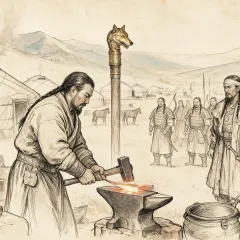 Göktürkler Aşina'nın yönettiği halkın öz adı. Sekizinci yüzyılın runik yazıtlarında tanıklıdır.
-
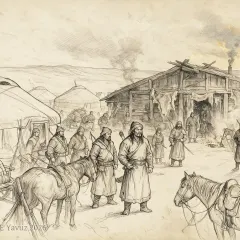 Hunlar 370'lerde Avrupa'ya giren ve Attila döneminde Kafkasya'dan Ren'e kadar hüküm süren göçebe halk. İmparatorlukları 453'ten sonra dağıldı. Asya Hunlarıyla özdeşliği tartışılır.
-
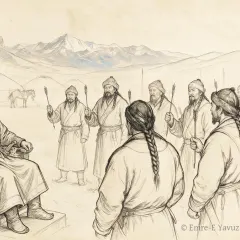 On Oq On Ok: on boy, beşi Suyab'ın doğusunda Üç Tuğlu, beşi batısında Nushibi, her reis bir ok taşır. Batı Göktürkleri 630'dan sonra onların içinde dağıldı.
-
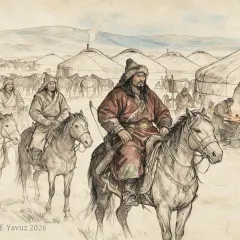 Rouran Rouran Kağanlığı'nın halkı, 552'ye kadar Aşinaların efendisi. Wei Shu'ya göre Donghu ve Siyenpi kökenli, olağan sınıflandırmaya göre Para-Moğolca konuşan bir halk.
-
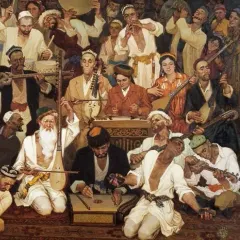 Uyghurs Dokuz Oğuz'dan, sırayla Rouranlara ve Göktürklere tebaa olan bir Tiele halkı. 744'te son Göktürk kağanını devirdiler ve Orhun'u doksan altı yıl elinde tuttular.
-
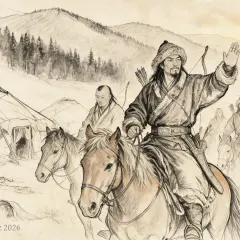 Xianbei Birinci yüzyılda doğu bozkırını Asya Hunlarından alan ve ona bir sonraki düzenini veren halk. Rouran hanedanı ve Kuzey Wei'nin Tuobaları onlardan çıktı.
-
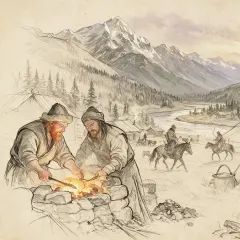 Yenisei Kirghiz Yukarı Yenisey'in gizemli Türk dilli halkı, demir ve altınlarıyla tanınır. Çoğu zaman Göktürk İmparatorluğunun bir parçasıydılar. Uygur Kağanlığına ve Ötüken merkezli hükümranlık yetkisine son verdiler.
- Abusi kısa Tiele boyu, Tang Huiyao'da Dokuz Oğuz'un dokuz boyunun sekizincisi. Diğerleriyle ancak Tianbao döneminden sonra aynı sıraya konmuştur. Aynı zamanda Tang'a geçen bir reisin de adıdır.
-
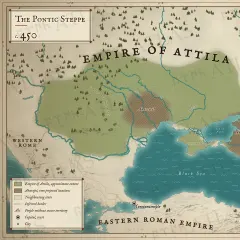 Akatzirler Karadeniz'in kuzeyindeki bozkırın, birçok reisin yönettiği göçebe halkı. Attila onları 440'larda boyunduruk altına aldı ve başlarına en büyük oğlunu geçirdi. Saragurlar onları 463 dolaylarında yendi.
- Alans Don'un ötesindeki bozkırın ve kuzey Kafkasya'nın İran dilli göçebeleri. Hunlar onları 370'lerde boyunduruk altına aldı. 576'da Göktürk prensi Türk Şad onları kağanlığın kölelerinden saydı.
- Alchon Hunları Kabil vadisinde, Gandhara'da ve kuzey Hindistan'da hüküm süren Hun hanedanları. Baktriya dilindeki alxono sözcüğünü taşıyan sikkelerden bilinirler. Khingila, Toramana ve Mihirakula onların adıyla hüküm sürdü. Hint metinleri onlara Huna der.
- Amilzurlar kısa Beşinci yüzyılda aşağı Tuna'da yaşayan halk. Romalılara sığındıkları için Hun kralı Rua'nın savaşmak istediği halkların başında anılır. Jordanes adı ikiye böler.
- Angisgirler kısa 460'larda Attila'nın oğlu Dengizik'in son yandaşları arasında yer alan ve yalnızca Jordanes'in andığı bir boy. Ad Türkçe olabilir ya da otlak Sciri'si anlamına gelebilir.
-
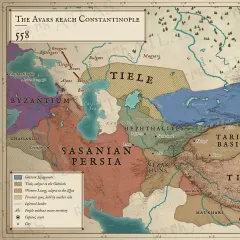 Avars Pannonia'da 796'ya kadar bir kağanlık kuran bozkır halkı. Kağanları ve egemen soyluları büyük olasılıkla Rouranlardan geldi, kağan unvanı da onlarla birlikte Avrupa'ya girdi.
- Azlar Batı Sayan ile Altay arasındaki dağlık ülkenin halkı, Göktürk yazıtlarında Kırgızların yanında anılır. Azlardan bir adam Tonyukuk'a kılavuzluk etti, Kül Tegin onların ilteberini yakaladı.
- Bardorlar kısa Attila'nın oğlu Dengizik'in 460'lardaki son yandaşları arasında yer alan Hun boyu, yalnızca Jordanes'te anılır. Adı Türkçe olarak okunmuştur.
- Basmïl Beiting ülkesinde, Tianshan'ın kuzeyinde yaşayan Türk halkı. Tang tarafından İkinci Kağanlığa karşı kullanıldı, 742'de son Aşina kağanına karşı ayaklandı ve 744'te yıkıldı.
- Bayirku Dokuz Soyad'dan bir Tiele halkı, Orhun'un kuzeydoğusunda. Türgi Yargun Gölü'nde Kül Tegin'e yenildi. Dağılmış askerlerinden biri 716'da Kapgan Kağan'ı öldürdü.
- Bittugurlar kısa Attila'nın oğlu Dengizich'in 460'lardaki son izleyicileri arasında bir Hun boyu. Bir kısmı sonradan 488'de Doğu Gotlarının İtalya yürüyüşüne katıldı.
- Boiskler kısa Beşinci yüzyılda aşağı Tuna boyunda yaşayan halk. Hun kralı Rua'nın, Romalılara kaçtıkları için savaşmak istediği halklar arasında anılır. Ad Keltçe olarak açıklanmıştır.
- Bomalar Kuzey denizine yakın uzak kuzeyin halkı. Adlarını, süt için tuttukları alaca atlarından aldılar. Huş kabuğu altında yaşadılar ve Kırgızlarla sık sık savaştılar.
- Bugu kısa Dokuz Oğuz'un dokuz Tiele boyundan biri. An Lushan'a karşı Tang'a hizmet eden, sonra kendisi isyan eden Pugu Huai'en, boyun hükümdar ailesinden gelmişti.
- Bulgars kısa Pontus bozkırının Türk halkı. Batı bozkırı yedinci yüzyılın ortasında dağıldığında geriye iki devlet kaldı: Bulgar birliği ve Hazarlar.
- Çikler Yenisey'in yukarı kesiminde, nehirle Sayan arasında yaşayan halk, Kırgızlar ve Azlarla birlikte anılır. Bilge Kağan, Kem nehrini geçtikten sonra Orpin'de onların ordusunu yendi.
- Chumukun kısa Batı Göktürklerinin bir boyu. Tang tarihlerinin On Ok'un doğu kanadı Duolu'nun altında andığı beş boyun ilki. Şefi chur rütbesini taşırdı.
- Cimmerians kısa MÖ yaklaşık 1000 ile 800 arasında İskitlerden önce batı bozkırını elinde tutan atlı göçebeler. Akınları Asur'a ulaştı. Ne oldukları hâlâ tartışmalıdır: bir halk mı, yoksa atlı bir topluluk için bir sözcük mü.
- Dingling Kuzeyin bir halkı. Yaklaşık MÖ 201'de Mete Han tarafından boyun eğdirildi, MÖ birinci yüzyılda Asya Hunlarına akın yaptı. Bir türetme çizgisi Tieleleri onlara bağlar.
-
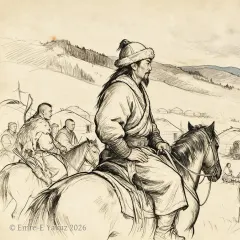 Donghu Asya Hunlarının doğudaki komşuları, yaklaşık MÖ 206'da Mete Han tarafından yok edildi. Siyenpiler ile Wuhuanlar, onlardan arta kalanlara bağlanır.
- Dubolar Uygurların kuzeyinde, küçük bir denizin güneyinde yaşayan Tiele halkı, zambak kökü yiyen avcılar. Xin Tang Shu onları Mielie ve Geezhi ile birlikte, Kırgızların boyunduruk altına alabildiği Tahta Atlı Tujue olarak anar.
- Ediz kısa 795'ten itibaren Uygur kağanlarını çıkaran bir Dokuz Oğuz boyu. Dokuzun içinde baştan beri yer alıp almadığı tartışmalıdır.
-
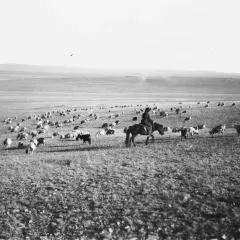 Avrasya Göçebeleri Macaristan'dan Mançurya'ya uzanan bozkır kuşağının hayvan yetiştiren halkları ve ortak yaşam biçimleri. Koyun ve atla geçinir, yerleşik komşularıyla ticarete, haraca ve akına bağlı yaşarlardı.
- Furiler Müslüman coğrafyacılarda Kırgızların doğusundaki orman ve bataklık halkı, Fūrī ya da Qūrī diye yazılır, Hudûd'da yamyam diye anılır. Genellikle Kurıkanlarla bir tutulur.
- Gepidler kısa Attila yönetiminde Hunlara tabi bir Germen halkı. Kralları Ardaric tabi halkları Attila'nın oğullarına karşı yönetti, 454'te Nedao'da kazandı ve Hunların Dacia'daki yurtlarını aldı.
- Gotlar kısa Karadeniz'in kuzeyinde ve aşağı Tuna'da yaşayan Cermen halkı. Hunlar 370'lerde doğu Gotlarını kırdı ve Attila'dan sonrasına kadar onları yönetti. Batı Gotları 451'de Galya'da ona karşı savaştı.
- Gulun Wugu kısa Tiele boyu. Tang Huiyao'da Dokuz Oğuz'un dokuz boyundan dokuzuncusu. Ancak Tianbao döneminden sonra ötekilerle aynı sırada sayıldı.
- Heichezi (Kara Arabalar) Uygur kağanı Ögä'nin 843'ten sonra sığındığı, Kara Arabalar denen halk. Xin Tang Shu onun bir Tang ödülü için öldürüldüğünü anlatır, bir Tang mektubu onlara Shiwei halkından der.
-
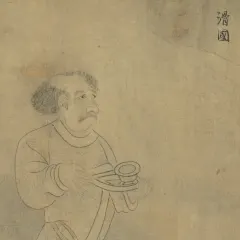 Hephthalites Orta Asya'daki Hun güçlerinin sonuncusu. Bir halktan çok bir konfederasyondu ve 560 dolaylarında İstemi ile I. Hüsrev arasında ezildi.
-
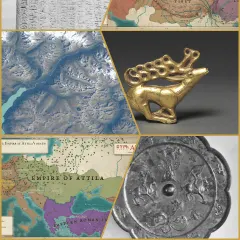 Türk halklarının tarihi Türkçe konuşan bozkır halklarının tarihi: ülkeleri, ekonomileri ve inançlarıyla, Tunç Çağı'ndan Asya Hunlarına, Göktürk ve Uygur kağanlıklarına, oradan Kırgızlara ve Hazarlara.
- Hu kısa Kuzey ve kuzeybatı halkları için Çince sözcük. Han metinlerinde Asya Hunlarını anlatır, Göktürk ve Tang döneminde çoğunlukla Soğdluları ve öteki İranca konuşanları.
- Hun (Tiele tribe) kısa Dokuz Oğuz'un dokuz Tiele boyundan biri. Reisliği birkaç kuşak boyunca tek bir ailede kaldı ve Hun Shizhi onu Tang hizmetine soktu.
- İtimarlar kısa Beşinci yüzyılda aşağı Tuna'da yaşayan halk. Romalılara kaçtıkları için Hun kralı Rua'nın savaşmak istediği halklar arasındaydı. Kökenleri bilinmiyor.
- Jie kısa Dördüncü yüzyılın Çin kayıtlarında Asya Hunlarının arasında sayılan bir topluluk. Shi Le, Geç Zhao'yu onlardan çıkardı. Dillerinden kayda geçen tek bir cümle köken tartışmasının dayanağıdır.
- Kabarlar Bir iç savaştan sonra kağanlıktan ayrılıp Macar birliğine katılan, Hazar kökenli bir topluluk. VII. Konstantinos onları birliğin ilk boyları sayar.
- Kangju Han kaynaklarında orta Siri Derya'nın göçebe gücü, sonradan Soğdiyana'nın efendisi. Zhizhi'yi batıya çağırdı, o da MÖ 36'da orada öldürüldü. Adı Kang oldu, Soğdluların Çincedeki soyadı.
- Karluk Altay'ın Türk boy grubu. 627 dolaylarında Tong Yabgu'ya karşı ayaklandı, 745 dolaylarında batı Göktürk topraklarına geçti ve 751'de Talas'ta Araplara geçti.
- Halaçlar kısa Afganistan'da yaşayan Türkçe konuşan halk. 711 tarihli bir Baktriya el yazmasında ve onuncu yüzyıl coğrafyacılarında anılır. Dilleri Orta İran'da yaşar.
-
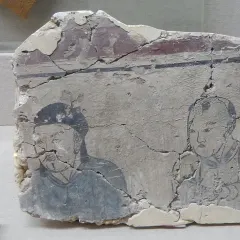 Khitan Siyenpiler ile Mançurya arasındaki çam bozkırlarının halkı. 440'lardan itibaren Kuzey Wei'ye haraç verdiler, Mukan önderliğindeki Göktürkler tarafından doğuya sürüldüler ve Orhun anıtlarında yas tutanlar arasında anılırlar.
- Kidarites Kurucusu Kidara'nın adını taşıyan Hun hanedanı. Baktriya'yı, Gandhara'yı ve 440'tan sonra Soğdiyana'yı aldı. Wei Shu ona Asya Hunları der. 456'dan itibaren Sasaniler ve Eftalitler tarafından zayıflatıldı.
- Kimek kısa İrtiş'in ve batı Sibirya ile Kazakistan bozkırlarının Türk boy birliği, Karlukların kuzeyinde. Ona bağlı olan Kıpçaklar sonradan onun yerini aldı.
- Kipchak kısa Kuzey bozkırının Türk halkı. Kaşgarlı onların konuşmasını Oğuzlarınkiyle bir sayar. Sonraki Arap ve Fars yazarlar adlarını bütün batı bozkırı için kullanır.
- Kotzager kısa Tarniach ile birlikte Göktürklerden Avrupa'ya kaçan ve Avar kağanına katılan halk. Bazı araştırmacılar onları Kutrigurlarla özdeşleştirir.
- Kurıkanlar Çölün kuzeyindeki Tiele halkı, Tang'ın Gulikanları, atlarıyla tanınır. Göktürk yazıtları Üç Kurıkan'ı kurucuların yasını tutanlar ve yeniden kurulan devletin düşmanları olarak anar.
-
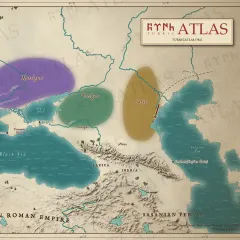 Kutrigurs Azak Denizi'nin batısındaki Hun bozkır halkı, Utigurlarla akraba. 550'lerde Roma Balkanları'na akın ettiler ve Göktürkler gelince Avarlarla batıya gittiler.
- Kıştımlar Ḥudūd al-ʿĀlam'da Kırgız ülkesinin dağ halkı, K.SAYM diye yazılır, kürk ve misk avcısı. Yeniden kurulan Kishtim adı sonradan Kırgızların bağımlılarını kapsar.
- Nezak Şahları Kapisa, Kabil ve Gazne krallarıdır. Boğa başlı tacı ve Pehlevice Nezak Malka yazıtı olan drahmilerden bilinirler. Farklı görüşlere göre Hun, yerel hükümdar ya da batı Göktürk hanedanı olabilirler.
- Nushibi kısa On Ok'un batı yarısı, beş irkinin yönetiminde beş boy. Duolu ile birlikte batı kağanlığının boy bütününü oluşturdular.
- Oghuz kısa Batı bozkırının ve Siriderya'nın Türk halkı. Kaşgarlı onların konuşmasını Türkçenin iki büyük lehçe grubundan biri sayar, Selçuklu hanedanı onların Qïnïq boyundan çıktı.
- Ogurs Priscus'un 463 dolaylarında, Sabirlerin batıya sürdüğü boylar arasında andığı bozkır halkı. Bir yüzyıl sonra reisleri Volga'nın batısındaki ülkeyi İstemi adına elinde tuttu.
- Onogurs Kafkasya'nın ve Azak Denizi'nin kuzeyindeki bozkır halkı, Priscus 463 dolaylarında adlarını anar. 560'larda Göktürk egemenliği altına girdiler. Sonraki Bizans yazarları adlarını Bulgarlarla birleştirir.
- Peçenekler kısa Dokuzuncu yüzyılın sonlarında İdil-Ural bölgesinden Pontus bozkırına giren Türk bozkır halkı. Onuncu yüzyılda Bizans'ın başlıca bozkır komşusuydu. Güçleri 1091'de sona erdi.
- Qibi kısa Tiele boyu, Tang Huiyao'da Dokuz Oğuz'un dokuz boyundan biri. Reisleri yedinci yüzyılda Tang'ın generalleri olarak hizmet etti.
-
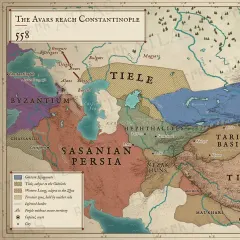 Sabirs Altıncı yüzyılın başından itibaren kuzey Kafkasya'nın ve aşağı İdil'in bozkır halkı. Hem Roma hem İran için savaştılar ve Göktürkler birliklerini içlerine kattı.
- Saka Kazakistan'dan Tarım'a kadar doğu İran dilli göçebeler için Perslerin verdiği ad. Ahameniş yazıtları onların dört türünü sayar ve bir grup Sistan'a adını verdi.
-
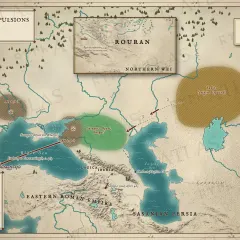 Saragurlar kısa 463 dolaylarında Sabirler tarafından batıya sürülüp Karadeniz bozkırına gelen Oğur halkı. Akatzirleri yendi, Konstantinopolis'ten ittifak istedi, İberya'ya ve Ermenistan'a akın etti.
- Sarmatians Batı bozkırını İskitlerden alan İranlı göçebeler. Doğudan gelen baskıyla batıya itildiler. MÖ ikinci yüzyılda bu baskı Asya Hunlarının yükselişine kadar izlenebilir.
- Scythians Batı bozkırına MÖ sekizinci yüzyıldan itibaren egemen olan İranlı atlı göçebeler. Herodotos'un onlar hakkında kaydettiği âdetlerden üçü Asya Hunlarında ve Türk halklarında yeniden görülür.
- Shatuo kısa Batı Göktürk kökenli Türk birliği. Uygurların düşmanıydı, Tang'ın askerî dayanağı oldu ve ardından kuzey Çin'de hanedanlar kurdu.
- Şiveyler Kıtanların kuzeyinde, doğu Moğolistan'da ve Heilongjiang'da yaşayan, Göktürk tudunları aracılığıyla yönetilen halklar. 848'de yedi Şivey boyu, Kırgızlar geri alana kadar son Uygurları elinde tuttu.
- Sijie kısa Tang tarihlerinde Dokuz Oğuz konfederasyonunun parçası olarak anılan dokuz Tiele boyundan biri.
- Sogdians Zerefşan vadisinin İran dilli halkı ve Orta Asya'nın tüccarları. Göktürklere yazılarını, kançılaryalarını, elçilerini ve ipek ticaretlerini verdiler.
- Sorosgiler kısa Margus antlaşmasından sonra Bleda ile Attila'nın savaştığı İskit halkı. Priscus onları bir kez anar ve başka hiçbir kaynak anmaz.
- Tarniach kısa Kotzager ile birlikte Göktürklerden Avrupa'ya kaçıp Avar kağanına katılan halk. Theophylaktos onları Var ve Chunni'den türetir.
- Taştık Kültürü Yenisey üzerindeki Hakas-Minusinsk havzalarının arkeolojik kültürü. Boyalı alçı maskeler bulunan mezarlarıyla bilinir. Halkının kim olduğu ve ilk Kırgızlarla ilişkisi tartışmalıdır.
- Tatarlar Moğol doğusunun bir konfederasyonu: Göktürk yazıtlarındaki Otuz Tatar ve Uygur taşlarındaki Dokuz Tatar. Kurucuların yasında yer aldılar, sonra yeniden kurulan kağanlığın düşmanı oldular.
- Bozkırın Büyük İmparatorlukları Asya Hunlarından Hazarlara büyük bozkır imparatorlukları, yükseliş sırasıyla. Her biri için kuruluş, hüküm süren hanedan, merkez, sınırlar ve son.
-
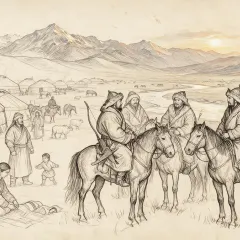 Tiele Altay'ın batısındaki Türk topluluklarının federasyonu. Eski Türk yazıtlarında Töles diye anılır. Bumin 546'da onların ayaklanmasını yolda karşıladı ve elli binleri Aşinaları bir güç yaptı.
- Tongra kısa Dokuz Oğuz'un bir boyu. Kül Tegin yazıtı, bir yas ziyafetinde öldürülen on yiğidini kaydeder.
- Toquz Oghuz Dokuz Oğuz, Orhun ülkesinin kuzeyindeki Tiele halklarından oluşan bir konfederasyon. Göktürk yazıtları onlara aynı cümlede hem düşman hem öz halkım der, Uygurlar onların içinden çıktı.
- Tunsurlar kısa Beşinci yüzyılda aşağı Tuna'da yaşayan halk. Romalılara kaçtıkları için Hun kralı Rua'nın savaşmak istediği halklar arasındaydı. Jordanes onlara Tuncarsi der.
- Tukhsi kısa Dokuzuncu ve onuncu yüzyıllarda Balkaş Gölü ile Issık Göl arasındaki toprakların Türk boyu. Federasyonu Karahanlı devletine dönüşen boylardan biri. Küçük Sebüktegin'i kaçırdılar.
- Tuoba kısa Kuzey Wei'yi kuran ve kuzey Çin'i bir buçuk yüzyıl yöneten Siyenpi hanedanı. Rouran savaşları onlara karşı yapıldı ve 534'teki çöküşleri iki Wei'yi doğurdu.
- Türgesh On Ok'un Üç Tuğlu kanadından, İli havzasında bir boy. Hanları 699'dan 744'e kadar batı Göktürk topraklarını Suyab'dan yönetti ve 737'de Kharistan'da kırıldı.
-
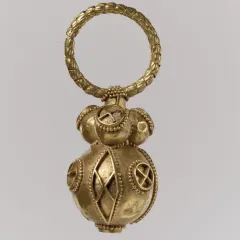 Avrupa'daki Türk boyları Pontus-Hazar bozkırının ve Kuzey Kafkasya'nın beşinci ile yedinci yüzyıllar arasındaki Türk dilli ve Türk önderliğindeki halkları. 560'lı yıllardan itibaren çoğu Göktürk hegemonyası altındaydı.
-
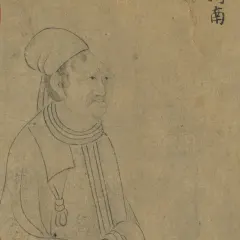 Tuyuhun kısa Çin ile Tibet arasındaki Kokonor yöresinin, Siyenpi soyundan gelen halkı. Topraklarında yenilmiş bir Göktürk kağanı kaybolabilirdi.
- Ultzinzurlar kısa Attila'nın ölümünden sonra aşağı Tuna'daki Hun boyu. 460'larda Attila'nın oğlu Dengizik'i Gotlara karşı izledi. Sonraki bir tarihçi onu Leo'nun saltanatına kadar iyi tanınmış diye anar.
- Utigurs Azak Denizi'nin doğusunda Kutrigurların akrabası bir Hun bozkır halkı. Hükümdarları Anagay önderliğinde 576'da Bosporos'ta Göktürkler için savaştılar.
- Vandallar kısa Kralları Geiserik yönetiminde İspanya'dan Afrika'ya geçen ve 439'da Kartaca'yı alan halk. Donanmaları Roma kuvvetlerini Tuna'dan uzaklaştırdı, 455'te Roma'yı yağmaladılar.
- Wuhuan Doğu bozkırının halkı. Mete Han'ın Donghulara karşı zaferinden itibaren Asya Hunlarına, sonra da onları sınıra yerleştirip Asya Hunlarına ve Siyenpilere karşı kullanan Han'a tabi oldular.
- Wusun İli vadisinin bozkır halkı, Asya Hunlarının önce tebaası sonra rakibi ve Han'ın batıdaki baş müttefiki. Kurucuları doğumunda terk edildi ve bir dişi kurt tarafından emzirildi.
- Yueban Geri kalanı batıya giderken Kuça'nın kuzeyinde kalan Kuzey Asya Hunlarının bir kolu. Wei Shu ülkelerini Wusunların kuzeybatısına yerleştirir ve Kuzey Wei'ye giden elçiliklerini kaydeder.
- Yuezhi Asya Hunlarının iki kez kırdığı Gansu koridoru halkı. Batıya kaçışları, Baktriya'da biten hareketi başlattı.
- Zabender kısa Theophylaktos'un Var ve Chunni'den türettiği halk, Göktürklerden Avarlara kaçan Tarniach ve Kotzager'in yanında anılır.
Görsel kaynakları
- Akatzirler: c. 450: The realm of Attila reaches from the Danube into the steppe. The Akatziri stand in two proposed places, north-west of the Black Sea and by the Sea of Azov. Modern map. No source records the frontier. © Emre-E Yavuz 2026
- Avars: 558: The first embassy of the Avars comes through the Alans and Lazica to Constantinople. The Avars then break the Onogurs and destroy the Sabirs. Modern map. The road of the embassy is drawn, and the places of the battles are not recorded. © Emre-E Yavuz 2026
- Donghu: Donghu in a modern illustration. © Emre-E Yavuz 2026
- Avrasya Göçebeleri: A herder on horseback with a flock of sheep and goats on the open steppe of Mongolia, photographed in 1909. Finnish Heritage Agency (Museovirasto), General Ethnographic Photo Collection, VKK156:33. Photograph by Sakari Pälsi, 1909. Finna, CC BY 4.0.
- Göktürkler: Göktürks in a modern illustration. © Emre-E Yavuz 2026
- Hephthalites: Envoy of the Hua (滑國), as the Liang court called the Hephthalites, carrying a bowl. From “Foreign Visitors Coming to Court”, a copy after a painting ascribed to Emperor Yuan of Liang (r. 552–555); an inscription of the Song emperor Lizong names Gu Deqian of the Southern Tang as the copyist. Handscroll, ink on paper; National Palace Museum, Taipei, 故畫001389N. Copy of Emperor Yuan of Liang’s “Foreign Visitors Coming to Court”, The National Palace Museum, Taipei, CC BY 4.0 @ www.npm.gov.tw.
- Türk halklarının tarihi: Runes of the Tonyukuk stone, the Göktürk realm in 552, the Altai from space, a Scythian gold stag, the empire of Attila in 453 and riders on a Tang bronze mirror. Photographs: G. J. Ramstedt and Sakari Pälsi, Finnish Heritage Agency (CC BY 4.0); NASA, astronaut photograph iss069e071176 (public domain); The Cleveland Museum of Art, 1985.77 (CC0); The Metropolitan Museum of Art, 25.20.3 (CC0). Maps: © Emre-E Yavuz 2026
- Hunlar: Huns in a modern illustration. © Emre-E Yavuz 2026
- Khitan: Fragment of a Liao-dynasty tomb mural showing a Khitan man and a Khitan boy, from a tomb at Paolou Hill in Lindong, excavated in 1988. Photograph: BabelStone, 2016, CC BY-SA 3.0.
- Kutrigurs: c. 550: The Kutrigurs live west and the Utigurs east of the Don and the Sea of Azov, the Sabirs and the Onogurs north of the Caucasus. The Kutrigurs raid in 551 and, under Zabergan, reach Constantinople in 558–559. The Avars arrive in 557. Modern map. The roads are drawn. © Emre-E Yavuz 2026
- On Oq: On Oq in a modern illustration. © Emre-E Yavuz 2026
- Rouran: Rouran in a modern illustration. © Emre-E Yavuz 2026
- Sabirs: 558: The first embassy of the Avars comes through the Alans and Lazica to Constantinople. The Avars then break the Onogurs and destroy the Sabirs. Modern map. The road of the embassy is drawn, and the places of the battles are not recorded. © Emre-E Yavuz 2026
- Saragurlar: c. 463: The Abares drive out the Sabirs, and the Sabirs drive the Saragurs, Ogurs and Onogurs west. The Saragurs defeat the Akatziri and send an embassy to Constantinople. Later they raid through the Caucasus. Modern map. The arrows are a reconstruction. © Emre-E Yavuz 2026
- Tiele: Tiele in a modern illustration. © Emre-E Yavuz 2026
- Avrupa'daki Türk boyları: One of a pair of gold earrings, Avar work, 550 to 650. The Metropolitan Museum of Art, New York, 17.191.4, CC0.
- Tuyuhun: Envoy of the Tuyuhun, labelled 河南, the name under which the southern histories treat their kingdom. From “Foreign Visitors Coming to Court”, a copy after a painting ascribed to Emperor Yuan of Liang (r. 552–555); an inscription of the Song emperor Lizong names Gu Deqian of the Southern Tang as the copyist. Handscroll, ink on paper; National Palace Museum, Taipei, 故畫001389N. Copy of Emperor Yuan of Liang’s “Foreign Visitors Coming to Court”, The National Palace Museum, Taipei, CC BY 4.0 @ www.npm.gov.tw.
- Uyghurs: Muqam, a painting of 1984 by the Uyghur painter Ghazi Ehmet: singers and musicians of the Uyghur muqam with long-necked lutes, fiddles, a dulcimer, frame drums and flutes. It shows the Uyghurs of the twentieth century, eleven centuries after the dispersal of 840. Painting: Ghazi Ehmet, 1984.
- Xianbei: Xianbei in a modern illustration. © Emre-E Yavuz 2026
- Yenisei Kirghiz: Yenisei Kirghiz in a modern illustration. © Emre-E Yavuz 2026

