
290 Artikel
Personen
Herrscher, Gesandte, Heerführer und Verwandtschaft.
- Abangbu kurz Anführer des Volkes von Suo in der zweiten Herkunftsgeschichte der Göktürken im Zhou Shu. Bruder des wolfsgeborenen Yizhi Nishidu; er und seine Sippe verloren ihren Staat durch ihre Torheit.
- Abaoji Herrscher der Kitan, 872 bis 926. 924 führte er ein Heer an den Orkhon, die alte Heimat der Göktürken und Uiguren, in dem Jahr, das herkömmlich als Ende der Macht der Kirgisen in der Steppe gilt.
- Aëtius Befehlshaber des Weströmischen Reiches, gest. 454. Einst Geisel bei den Hunnen, stützte er sich zwei Jahrzehnte lang auf hunnische Hilfstruppen und führte 451 das Bündnis, das Attila in Gallien entgegentrat.
-
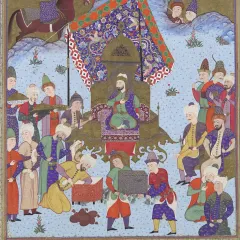 Afrasiab Legendärer König von Turan und der große Feind der iranischen Könige, vom Avesta bis zum Schahname. Kaschgaris türkischer Vers trauert um ihn als Alp Er Tunga, und der Hügel des alten Samarkand trägt seinen Namen.
- Afuzhiluo Anführer des Fufuluo-Klans der Gaoche. 487 führte er mehr als hunderttausend Zelte aus dem Rouran-Khaganat und gründete nordwestlich von Gaochang ein Königreich der Tiele.
- al-Jarrah ibn Abdallah kurz Arabischer Statthalter, 730 bei Ardabil getötet, als ein Heer der Chasaren unter Barjik seine Truppe besiegte.
- Alp Inanch kurz Kirgisischer Gesandter am Hof der Tang im Jahr 863, im Zizhi tongjian genannt. Er bat noch einmal darum, den Uiguren Anxi abzunehmen, und die Tang lehnten ab.
- Amrak Sohn des Taspar, 581 in Ötüken als der Kompromiss zum Khan gewählt, den die Versammlung annehmen konnte. Er dankte noch im selben Jahr zugunsten Ishbaras ab, und die Erhebung kam trotzdem.
-
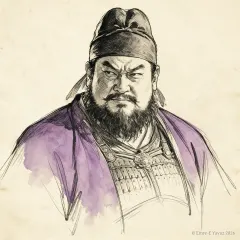 An Lushan Tang-General, Sohn eines Sogders und einer Göktürkin, geboren 703. Sein Aufstand von 755 bis 763 ruinierte die Tang, kostete sie Zentralasien und brachte die Uiguren nach China.
- An Nuopantuo Der Sogder aus Jiuquan, den Yuwen Tai 545 zu den Göktürken schickte, der erste Gesandte eines chinesischen Staates bei Bumin. Sein Name gibt das sogdische Anāhitā-banda wieder.
- Anagai kurz Herrscher der Utiguren unter der Oberherrschaft der Göktürken. 576 lag er mit einer Göktürk-Truppe vor der römischen Stadt Bosporos, als Bochan geschickt wurde, sie zu nehmen.
- Anagastes Oströmischer General an der Donaugrenze Thrakiens unter Kaiser Leo. 469 besiegte und tötete er Attilas Sohn Dengizich, dessen Kopf in Konstantinopel gezeigt wurde.
-
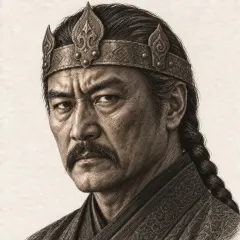 Anagui Letzter Khan der Rouran. Er hielt die Steppe drei Jahrzehnte lang, nannte Bumin seinen Schmiedesklaven und starb 552, als das Heer der Göktürken auf seine Hauptstadt vorrückte.
- Anankhast kurz Gesandter zwischen den Göktürken und Konstantinopel in den Jahren vor 576. Mit seiner Gesandtschaft kamen einige der Göktürken, die Valentinos heimführte. Ob er ein Göktürke oder ein Römer war, ist umstritten.
-
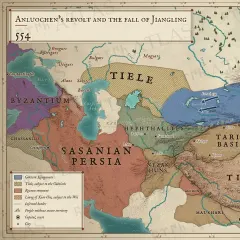 Anluochen Sohn Anaguis. Er floh 552 zu den Nördlichen Qi, und Ende 553 setzten diese ihn als Herrscher über den Rest der Rouran ein. Er erhob sich 554 und wurde geschlagen, und mit ihm endete das Haus.
- Aoshe Shad kurz Sohn des Chula Khan. Als sein Vater 620 starb, überging ihn die Prinzessin Yicheng als hässlich und schwach und setzte seinen Onkel als Ilig Khan ein.
- Apa (Kanzler der Kirgisen) Kanzler der Kirgisen. 848 führte er ein Heer von 70.000 Mann gegen die Shiwei und brachte die übrigen Uiguren nördlich der Wüste zurück. Die Tang-Geschichtswerke schreiben seinen Namen Abo.
- Ardarich König der Gepiden, Attilas vertrauter Gefolgsmann und Berater. Nach Attilas Tod führte er die unterworfenen Völker gegen Attilas Söhne und besiegte sie am Nedao.
-
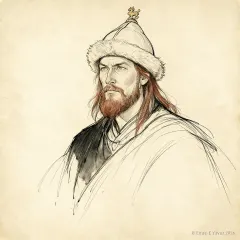 Are Khan Herrscher der Jenissei-Kirgisen, der sich um 820 Khan nannte und 840 das Uigurische Khaganat zerstörte. Der Tang-Hof trug ihn in das Register des Kaiserclans ein.
- Arsilas kurz Rangältester Herrscher der Göktürken zur Zeit der römischen Gesandtschaft des Valentinos 576. Ob er die oberste Herrschaft innehatte oder nur der Älteste der Anführer war, ist umstritten.
- Ashide Wumo Chur kurz Irkin der Göktürken aus dem Clan der Ashide, 626 bei Jingyang vom Tang-General Yuchi Jingde gefangen genommen, als Ilig Khan auf Chang'an marschierte.
- Ashide Yuanzhen Offizier der Göktürken an der Tang-Grenze, der 682 zu Ilterish überging und sein Heer als Apa Tarkan befehligte. Die Tang-Geschichte lässt ihn gegen die Türgesch fallen; seine Gleichsetzung mit Tonyukuk ist umstritten.
-
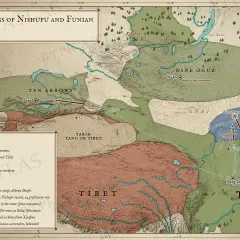 Ashina Funian Khan von 680, Sohn eines älteren Vetters Iligs, am Gelben Fluss erhoben, während die Stämme ihm antworteten. Er ergab sich Pei Xingjian und wurde auf dem Ostmarkt enthauptet.
- Ashina Helu Letzter unabhängiger Khan der westlichen Göktürken, gestorben 659. Er rief sich über die Zehn Pfeile zum Shaboluo Khan aus, und Su Dingfang jagte ihn über den Ili und den Chu.
- Ashina Simo Der Khan, den die Tang zurückgaben, 639 bis 643. Ein Clanangehöriger Iligs, dem zwei Khane nicht trauten, eingesetzt über hunderttausend Menschen nördlich des Gelben Flusses.
- Askel kurz König der Hermichiones, dessen Gesandte im Juli 563 nach Konstantinopel kamen. Nach einem Bericht ist er ein Häuptling der westlichen Göktürken und der Absender ihrer ersten Gesandtschaft, nach einem anderen ein König der Awaren.
-
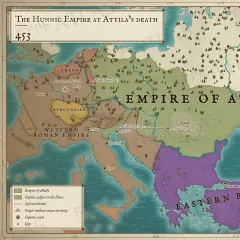 Attila König der Hunnen von den 430er Jahren bis 453, bis etwa 445 zusammen mit seinem Bruder Bleda. Er ließ das oströmische Reich Tribut zahlen, fiel 451 in Gallien und 452 in Italien ein und starb in der Nacht seiner letzten Hochzeit.
- Awusili Irkin kurz Irkin der Göktürken, der während Yang Sus Nordfeldzug von 601–602 das Volk Yamis südlich des Gelben Flusses überfiel. Yang Su brach ihn und gab die Gefangenen und Herden an Yami zurück.
- Axian Shad kurz Legendärer Häuptling der Ashina in den chinesischen Ursprungsgeschichten der Göktürken. Das Zhou Shu lässt ihn durch einen Sprung an einem großen Baum erwählt werden; das Sui Shu lässt ihn das Volk aus der Höhle führen.
-
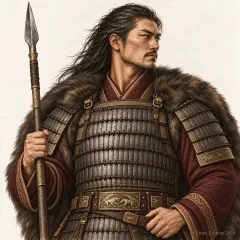 Bagatur (Modu Chanyu) Chanyu der Xiongnu, 209 bis 174 v. Chr. Er tötete seinen Vater, vernichtete die Donghu und die Yuezhi, schloss einen Han-Kaiser bei Baideng ein und machte die Xiongnu zum ersten Reich der östlichen Steppe.
-
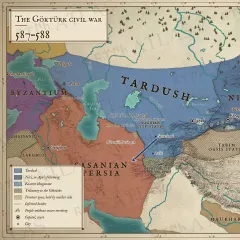 Bagha Khan Bruder des Ishbara und Khan der östlichen Göktürken ab 587 nach dessen Willen. Er nahm Apa lebend gefangen und fiel 588 auf einem Feldzug im Westen. Seine Gleichsetzung mit dem persischen Šāba ist umstritten.
- Bagha Shad kurz Prinz der Göktürken, der unter Tong Yabgu diente und der Vater Nishus war, des späteren Duolu Khan. Er kam in den Wude-Jahren an den Hof der Tang und schwor mit dem späteren Kaiser Taizong Brüderschaft.
- Baghatur Khan Onkel und Mörder Tong Yabgus, der sich als Quli Sibi Khan zum Khan der westlichen Göktürken machte. Sein Krieg mit Tong Yabgus Sohn Si Yabgu kostete das Khaganat seine Untertanen; Nishu tötete ihn 630.
-
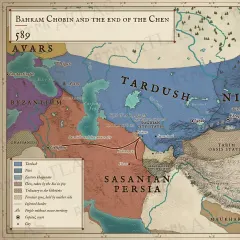 Bahram Chobin Sasanidischer General, der 588 oder 589 das Heer der Göktürken vernichtete. Dann erhob er sich gegen seine eigenen Könige und verlor. Er floh zu den Göktürken nach Suyab und wurde dort vergiftet.
- Balamber kurz König der Hunnen in der gotischen Überlieferung bei Jordanes. Er unterwarf in den 370er Jahren die Ostgoten und tötete ihren König Vinitharius. Keine andere Quelle nennt ihn beim Namen.
- Ban Chao Han-Offizier in den Westlichen Regionen, 73 bis 102. Er gewann die Oasen des Tarimbeckens den Nördlichen Xiongnu eine nach der anderen ab, in Shanshan beginnend mit sechsunddreißig Mann, und hielt das Becken ab 91 als Generalprotektor.
- Barjik kurz Sohn eines chasarischen Khagans und Befehlshaber des chasarischen Heeres, das 730 bei Ardabil den arabischen Statthalter al-Jarrah schlug und tötete.
- Bars Beg Khan der Jenissei-Kirgisen, genannt in der Kül-Tegin-Inschrift. Die Göktürken gaben ihm den Titel eines Khans und eine Schwester Bilge Khans zur Frau. Neuere Darstellungen datieren seinen Sturz auf 710 oder 711.
- Basich Anführer der Hunnen, der mit Kursich einen Raubzug nach Medien führte, wahrscheinlich den Einfall von 395 über den Kaukasus. Die beiden kamen später mit vielen Männern nach Rom, um ein Bündnis zu schließen.
-
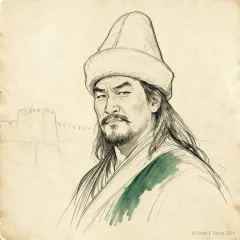 Bayanchur Khan Zweiter Khan der Uiguren, 747 bis 759, und der Mann, der das Khaganat zu einem Staat machte. Er baute die ummauerte Hauptstadt am Orkhon und hinterließ auf dem Stein von Shine-Usu seinen eigenen Bericht.
- Bi Chanyu Erster Chanyu der Südlichen Xiongnu, 48 bis 56 n. Chr. Zweimal übergangen, nahm er mit acht südlichen Stämmen den Titel seines Großvaters Huhanye an und führte sein Volk hinter die Grenze der Han.
- Bigilas Dolmetscher der oströmischen Regierung und Mittelsmann im Komplott von 449, Attila zu ermorden. Mit dem Gold ertappt, gestand er, als Attila seinem Sohn drohte, und wurde für 50 Pfund freigekauft.
-
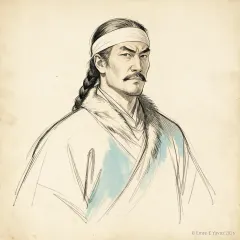 Bilge Khan Khan des Zweiten Göktürk-Khaganats von 716 bis 734, durch den Staatsstreich seines Bruders Kül Tegin auf den Thron gesetzt und von Tonyukuk beraten. 734 von einem Minister vergiftet.
- Bleda König der Hunnen mit seinem jüngeren Bruder Attila von den 430er Jahren bis etwa 445, als Attila ihn töten ließ. Er herrschte über einen großen Teil der Hunnen und hielt an seinem Hof einen maurischen Narren.
- Bochan kurz Göktürk-Befehlshaber, den Turxanthos 576 mit einem sehr großen Heer gegen die römische Stadt Bosporos auf der Krim schickte, wo Anagai von den Utiguren bereits lag.
- Bögü Khan Dritter Khan der Uiguren, 759 bis 779, unter dem das Khaganat seinen Höhepunkt erreichte. Er machte den Manichäismus zum Glauben seines Volkes und wurde von seinem Vetter getötet.
- Börü Khan kurz Kleiner Khan im Westen des Göktürk-Reiches ab 572, ein Neffe des Taspar Khan und Sohn des Rudan Khan, nach einem chinesischen Geschichtswerk Rudan Khan selbst. Die Chinesen nennen ihn Buli Khan.
- Börü Shad Neffe des Tong Yabgu mit einem selbständigen Kommando im Nordwesten. Er führte 627 rund vierzigtausend Göktürken durch Derbent und nahm mit Herakleios Tiflis ein.
- Boyla Kutlug Yargan Kirgisischer Offizier, der auf dem Suji-Stein in der Mongolei spricht, der Beauftragte des Kutlug Baga Tarkan. Der Stein stammt vom Ende des achten Jahrhunderts oder aus der Zeit nach 840.
- Bulan König der Chasaren, den die Antwort König Josephs als den ersten seiner Linie nennt, der das Judentum annahm. Der Brief erzählt von einem Engelstraum, einem Streitgespräch dreier Glaubensrichtungen und der Beschneidung des Königs.
- Buli Shad kurz Jüngerer Bruder des Chula Khan. 620 führte er zweitausend Göktürk-Reiter zum Tang-Heer gegen den Rebellen Liu Wuzhou, und unter Ilig Khan stand er an der Spitze des Stammes der Xi.
- Buluzhen Khan Khan der Rouran im Jahr 414. Er setzte seinen Onkel Hulü durch eine Intrige ab und überließ die Regierung dem Minister Shuli. Binnen Jahresfrist ließ Datan, den der Gaoche-Anführer Chiluohou gewählt hatte, ihn erdrosseln.
-
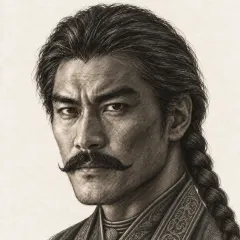 Bumin Khan Legendärer Ashina-Göktürke, der 552 die mächtigen Rouran in der Mongolei stürzte und an ihrer Stelle das Göktürk-Khaganat gründete.
- Busir Glavan Chasarischer Khagan, der den verbannten Kaiser Justinian II. aufnahm, ihm seine Schwester Theodora zur Frau gab und dann zustimmte, ihn töten zu lassen. Die Quellen nennen ihn nur Chagan. Busir Glavan ist ein moderner Name.
- Charaton kurz König der Hunnen um 412, von Olympiodor der erste der Könige genannt. Nach der Ermordung des Donatus wurde er mit Geschenken des Kaisers besänftigt.
- Chebi Khan Ashina-Khan des fernen Nordens, 630er Jahre bis 650, der den großen Titel selbst annahm, statt ihn zu empfangen. Seine eigenen Häuptlinge liefen über, und sein Heer kam nicht, als er rief.
- Chelchal Hunnischer Offizier im oströmischen Heer, um 467. Seine Rede an eingeschlossene Goten, die Hunnen lebten wie Wölfe von deren Arbeit, brachte die Goten dazu, die Hunnen in ihren Reihen zu töten.
- Chiji Shad kurz Jüngerer Bruder des Shibi Khan. Um 614 bot ihm der Sui-Beamte Pei Ju eine Sui-Prinzessin und den Titel eines Südlichen Khans an, um das Khaganat zu teilen. Er wagte nicht, das Angebot anzunehmen.
- Chorpan Tarkhan kurz Göktürk-Befehlshaber mit dem Titel Tarkhan, Anführer der Vorhut des Heeres des Nordens im Kaukasus. 629 oder 630 vernichtete er am Sewansee ein persisches Heer von 10.000 Mann.
-
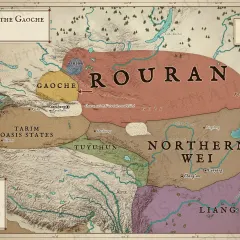 Chounu Khan Khan der Rouran von 508 bis 520 und älterer Bruder des Anagui. Er zerschmetterte 516 die Gaoche, erhob eine Schamanin zur Khatun und wurde von seiner Mutter und seinen Ministern getötet.
- Chrysaphios Eunuch und leitender Minister des Kaisers Theodosius II., gestorben 450. 449 plante er über Edekon die Ermordung Attilas. Attila forderte seine Bestrafung, und Markian ließ ihn hinrichten.
- Chula Khan Khan der östlichen Göktürken von 619 bis 620 und Bruder des Shibi. Er starb noch im selben Jahr, nach einem Bericht vergiftet von einem chinesischen Beamten an seinem Hof.
- Chunyu Tan kurz Chinesischer Beamter am Hof des Rouran-Khans Anagui. In den 530er Jahren als Gesandter geschickt, blieb er, führte die Korrespondenz des Khans und lehrte ihn, den chinesischen Höfen als Gleicher zu schreiben.
- Damozhi kurz Offizier des Yabgu Khan der westlichen Göktürken; der Khan gilt als Tong Yabgu. Er schickte ihn, den Pilger Xuanzang in sein Lager bei Suyab zu bringen und dort unterzubringen.
- Datan Khan Khan der Rouran von 414 bis 429 und der stärkste seines Hauses vor Anagui. Er umzingelte 424 den Kaiser Taiwu bei Yunzhong und wurde 429 am Fluss Li zerstreut.
- Daxi Wu kurz Der General der Nördlichen Zhou, der 563 die Südfront gegen Pingyang führte, während Mukan und Yang Zhong gegen Jinyang zogen. Hulü Guang schlug ihn zweimal.
-
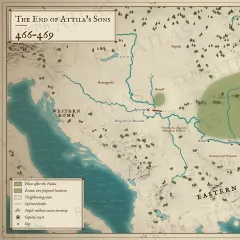 Dengizich Sohn Attilas und letzter König der Hunnen an der Donau. Er führte in den 460er Jahren Krieg gegen das Oströmische Reich und wurde 469 vom römischen General Anagastes getötet. Sein Kopf wurde in Konstantinopel zur Schau gestellt.
- Dengzhu Onkel des Anagui, 552 vom Rest der Rouran als Herrscher eingesetzt. 553 von Issik Khan nördlich von Woye geschlagen, floh er zu den Westlichen Wei und wurde 555 auf Mukans Verlangen vor Chang'an getötet.
- Dēwāštīč kurz Herr von Pandschakent im Jahrzehnt nach 710 und Anführer der sogdischen Adligen gegen die Araber. Beanspruchte 721–722 den Titel eines Königs von Sogdien. Starb 722; sein Archiv sind die Dokumente vom Berg Mugh.
- Dieluozhi kurz Sohn des Ilig Khan, des letzten Khans der östlichen Göktürken. In Chang'an rührte er nach 630 seine Fleischration nicht an, solange seine Mutter keine hatte, und Kaiser Taizong lobte ihn.
- Diqincha kurz Göktürk-Prinz aus dem Haus Ashina, ein jüngerer Vetter des Ishbara Khan mit eigenen Stämmen. Er überwarf sich mit Ishbara und ging 583 mit seinem Volk zu Apa über.
- Diwan Schamanin am Hof Chounu Khans, nur aus dem Wei Shu bekannt. Es erzählt, wie sie zur Heiligen Frau ausgerufen und zur Khatun erhoben wurde, wie ihre Verleumdung den Khan dazu brachte, seinen Sohn töten zu lassen, und wie sie 520 auf Befehl der Mutter des Khans erdrosselt wurde.
- Dou Xian General der Han, der 89 n. Chr. am Berg Jiluo mit der Reiterei der Südlichen Xiongnu den Nördlichen Chanyu brach, sodass einundachtzig Stämme zu den Han übergingen. Den Sieg ließ er auf dem Berg Yanran in Stein hauen.
- Du-lü-shi Alp kurz General der Kirgisen, den der Khan schickte, um die Prinzessin Taihe zu den Tang zurückzugeleiten. Die Bittschrift der Kirgisen von 842 nennt ihn, die chinesischen Geschichtswerke sprechen von zehn Dagan, und das Geleit wurde getötet.
- Duliu kurz Göktürk-Prinz des sechsten Jahrhunderts, Vater des Shegui Khan und nach dem Bericht des Sui Shu ein Sohn des Tardush. Der Sui-Beamte Pei Ju nennt ihn 610, als er vorschlug, Shegui gegen Heshana zu erheben.
-
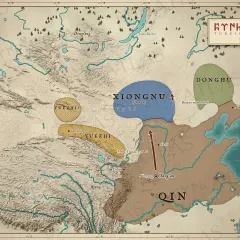 Duman (Touman) Erster Chanyu der Xiongnu, den eine Quelle nennt, gest. 209 v. Chr. Im Shiji treiben ihn die Qin aus dem Ordos nach Norden, und sein Sohn Modu Chanyu lässt ihn erschießen.
- Duoxifu kurz Jüngerer Bruder des Kapgan Khan. Ilterish machte ihn zum Yabgu, als er den Titel Khan annahm, und Kapgan setzte ihn 699 an die Spitze des linken Flügels. Zwei Editionen der Ongi-Inschrift stellen den Eletmiš Yabgu des Steins neben ihn.
- Dusuliu kurz Göktürk-Prinz aus dem Haus Ashina, ein jüngerer Bruder des Tulan Khan. 599 ließ er Frau und Kinder zurück und ging mit Yami zu den Sui über, wo Yami beim Chupu Schätze an ihn verlieren musste.
- Edekon Hunnischer Krieger aus Attilas innerem Kreis und dessen Gesandter in Konstantinopel. Der Eunuch Chrysaphios gewann ihn für das Versprechen, Attila zu töten. Edekon enthüllte das Komplott seinem Herrn.
- Ellak kurz Ältester Sohn Attilas und Krekas, von seinem Vater als König über die Akatziren eingesetzt. Er fiel 454 am Nedao, als die unterworfenen Völker sich gegen Attilas Söhne erhoben.
- Kaiser Gaozu von Han Gründerkaiser der Han. Bagatur schloss ihn 200 v. Chr. sieben Tage lang auf Baideng ein, und er ging durch eine Lücke hinaus, die Bagatur offen ließ. Das Heqin, dem er danach zustimmte, hielt bis zum Hinterhalt von Mayi 133 v. Chr.
- Kaiser Wu von Han Han-Kaiser, der 133 v. Chr. das Heqin bei Mayi beendete und bis zum Ende seiner Regierung gegen die Xiongnu kämpfte. Seine Generäle nahmen das Ordos und Gansu. Seine Gesandten zogen nach Westen. Der Krieg erschöpfte beide Seiten.
- Emperor Wu of Northern Zhou kurz Kaiser der Nördlichen Zhou von 560 bis 578. Er kaufte Mukans Reiterei mit der Beute aus dem Gebiet der Qi und einer Heirat, vernichtete 577 die Qi und starb auf dem Marsch nach Norden gegen Taspar.
- Emperor Wucheng of Northern Qi kurz Kaiser der Nördlichen Qi von 561 bis 565. Im Winter 563 ritt er nach Jinyang, um Mukans Hunderttausend entgegenzutreten, wollte die Stadt beinahe verlassen, blieb und hielt sie.
- Kaiser Wuzong von Tang Tang-Kaiser von 840 bis 846. Unter ihm fiel das Uigurische Khaganat, und die Kirgisen schickten zum ersten Mal Gesandte. Er verfolgte den Manichäismus und den Buddhismus und starb, bevor sein eigener Gesandter zu den Kirgisen aufbrach.
- Kaiser Xuanzong von Tang (846–859) Tang-Kaiser von 846 bis 859, Onkel Wuzongs. Er entließ Li Deyu, stellte den für den Khan der Kirgisen vorbereiteten Titel zurück und schickte dann 847 Li Ye, um die Kirgisen zu investieren.
- Kaiser Yizong von Tang kurz Tang-Kaiser von 859 bis 873. Drei Gesandtschaften der Kirgisen kamen in den Xiantong-Jahren an seinen Hof, und 867 wurde ein Herrscher der Kirgisen investiert. Die Aufzeichnung späterer Gesandtschaften ist verloren.
- Kaiserin Ashina Tochter von Mukan Khan, 568 mit dem Kaiser Wu der Nördlichen Zhou verheiratet, um das Bündnis gegen die Qi zu besiegeln. Ihr Grab lieferte das einzige alte Genom eines Ashina.
-
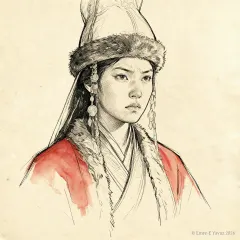 Kaiserin Yujiulü Älteste Tochter des Rouran-Khans Anagui, ab 538 Kaiserin der Westlichen Wei. Mit Kaiser Wen verheiratet, um die Rouran von der Grenze fernzuhalten, starb sie 540 mit sechzehn im Kindbett.
- Er Chanyu Chanyu der Xiongnu, etwa 105 bis 102 v. Chr., der Kind-Chanyu genannt. Er ließ einen Kommandanten hinrichten, der gegen ihn plante, vernichtete das Han-Heer des Zhao Ponu und starb auf dem Marsch nach Shouxiang.
- Ernak kurz Jüngerer Sohn Attilas, von dem Seher vorhersagten, er werde sein Haus wiederherstellen. Nach dem Tod seines Vaters siedelte er mit seinen Hunnen an der unteren Donau; die Fürstenliste der Bulgaren nennt einen Irnik.
- Faghfura kurz Bruder des Šāba-Šāh, des Khagans der Türken in aṯ-Ṯaʿālibīs Geschichte der persischen Könige. Er überbrachte das Angebot seines Bruders an Bahram Chobin und fiel in der Schlacht, die darauf folgte.
- Futu Khan Sohn und Nachfolger Nagais, Khan der Rouran von etwa 506 bis 508. Von den Wei zweimal abgewiesen, zog er nach Westen und wurde vom Gaoche-König Mi'etu getötet.
- Fuzhulei Chanyu Chanyu der Xiongnu, 31 bis 20 v. Chr. Der erste von Huhanyes Söhnen, der in der Reihenfolge der Brüder den Thron bestieg; er heiratete nach dem Tod seines Vaters Wang Zhaojun und hielt den Frieden mit den Han.
- Geiserich König der Vandalen in Afrika. Bei Jordanes bestach er Attila, 451 die Westgoten anzugreifen; nach der Ermordung Valentinians III. 455 plünderte er Rom.
- Galla Placidia Römische Kaiserin, Tochter des Kaisers Theodosius und Mutter von Valentinian III. und Honoria. Als 450 Honorias Hilferuf an Attila entdeckt wurde, nahm sie ihre Tochter in ihre Obhut.
- Gao Huan General, der von 534 bis 547 den östlichen Wei-Hof beherrschte und die Macht des Hauses der Nördlichen Qi begründete. Er warb Anagui von den Westlichen Wei ab und heiratete 546 die Tochter des Khans.
- Gao Kan Der Befehlshaber der Tang, der 650 Chebi Khan fing, indem er die Uiguren und die Pugu gegen ihn aufbot. Er schlug einen Khan, ohne gegen sein Heer zu kämpfen.
- Heraclius Kaiser der Oströmer von 610 bis 641. Im Krieg mit Persien erneuerte er das Bündnis mit den westlichen Göktürken, deren Heer 627 vor Tiflis zu ihm stieß.
- Ermanarich kurz König der Greuthungi, der Ostgoten der gotischen Überlieferung, nördlich des Schwarzen Meeres. Die Hunnen zerschlugen sein Reich in den 370er Jahren, und er nahm sich das Leben.
- Hesa Khan Letzter Khan des Uigurischen Khaganats, 839 bis 840. Nach dem Umsturz des Ministers Kürabir auf den Thron erhoben, von den Tang nie belehnt und getötet, als die Kirgisen den Hof einnahmen.
- Heshana Khan Khan der westlichen Göktürken, 603 bis etwa 611, Nachfolger Tardushs. Von seinem Unterkhan Shegui gestürzt und 619 in Chang'an von Gesandten der östlichen Göktürken hingerichtet.
- Hezhi Khan kurz Khan, den das Edikt der Sui von 583 als Mörder des Göktürken Suopi Shad nennt. Das Edikt erinnert an die Tötung als ein Zeichen dafür, dass die Göktürken von Feinden umgeben waren.
- Honoria Schwester des weströmischen Kaisers Valentinian III. Ihr Hilferuf an Attila 450, mit ihrem Ring, gab ihm einen Anspruch auf ihre Hand und auf die Hälfte des Westreichs.
- Hormizd IV Sasanidischer König der Könige, 579 bis 590, Sohn Chosraus I. und nach der persischen Überlieferung Enkel eines Göktürk-Khagans. In seiner Regierungszeit wurde der erste große Krieg zwischen Göktürken und Persern geführt.
-
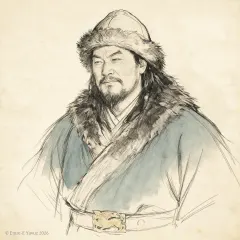 Huhanye Chanyu Chanyu der Xiongnu, 58 bis 31 v. Chr. Im Krieg der fünf Chanyus geschlagen, ging er nach Chang'an und verneigte sich, und durch das Verneigen behielt er den Thron, den seine Rivalen verloren.
- Hulü Guang kurz Der General der Nördlichen Qi, der 564 die Südfront hielt und dort Daxi Wu schlug, während die Göktürken vor Jinyang lagen.
- Hulü Khan Jüngerer Bruder und Nachfolger Sheluns, Khan der Rouran von 410 bis 414. Er hielt den Frieden mit den Wei. Seine Minister ergriffen ihn nach der Intrige seines Neffen in seinem Zelt.
- Hulugu Chanyu Chanyu der Xiongnu, 96 bis 85 v. Chr. Er nahm 90 v. Chr. die Kapitulation des Han-Generals Li Guangli an und ließ ihn als Opfer töten. Nach seinem Tod setzten Wei Lü und die Gemahlin seinen Sohn ein, nicht seinen Bruder.
- Hunye King Xiongnu-König des Westens, 121 v. Chr. Er tötete den König von Xiutu und unterwarf sich mit seinem Volk den Han. Die Han machten ihn zum Marquis. Sein Land wurde zu den Kommandanturen Wuwei und Jiuquan.
- Huo Qubing Han-General, der den Xiongnu 121 v. Chr. den Gansu-Korridor abnahm, als der König von Hunye mit seinem Volk überging. 119 schlug er den Linken Weisen König nördlich der Gobi.
- Huyandi Chanyu Chanyu der Xiongnu, 85 bis 68 v. Chr. Ein gefälschter Befehl brachte ihn jung auf den Thron, und er herrschte siebzehn Jahre. Fünf Han-Heere und die Wusun trafen ihn 72 v. Chr. Der Winter danach kostete drei von zehn seiner Leute.
- Ildico kurz Attilas letzte Frau, die er Anfang 453 in der Nacht vor seinem Tod heiratete. Ihr Name ist germanisch.
- Ilig Khan Letzter Khan der östlichen Göktürken, 620 bis 630. Er stand 626 vor Chang'an und schwor Frieden auf der Bian-Brücke über den Wei, wurde 630 lebend gefangen und starb 634 als Gefangener.
-
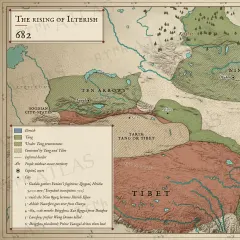 Ilterish Khan Gründer und erster Herrscher des Zweiten Göktürk-Reiches im Jahr 682 und Vater von Bilge Khan und Kül Tegin.
- Inel Khan Sohn Kapgan Khans, 699 zum Kleinen Khan über die Zehn Familiennamen des Westens gemacht. Er führte das Heer gegen die Türgesch und wurde 716 von seinem Vetter Kül Tegin getötet.
- Irbis Ishbara Yabgu Khan Khan der Nushibi von 639 bis 641, Neffe Ishbara Tolis'. Er hielt den Südhof mit den Oasenstaaten von Kutscha bis Samarkand unter sich und wurde auf Befehl Yukuk Shads getötet.
-
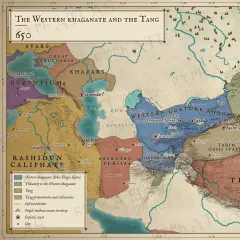 Irbis Shegui Khan Khan der Nushibi von 642 bis 651, Enkel Ishbara Tolis', in Anwesenheit eines Tang-Gesandten gewählt. Er trieb Yukuk Shad nach Tocharistan und verlor sein Volk an Ashina Helu.
-
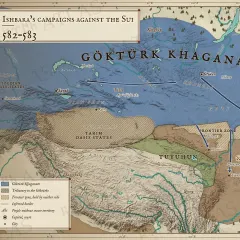 Ishbara Khan Sohn Issiks und Unterkhan unter Taspar. Er zwang die Versammlung von 581, Töremen zu übergehen, fiel in China ein, trieb Apa nach Westen und wurde 585 Vasall der Sui.
- Ishbara Tolis Khan Khan der westlichen Göktürken von 634 bis 639, Bruder und Nachfolger des Duolu Khans Nishu. Er teilte sein Volk in die Zehn Pfeile, verlor den Norden an Yukuk Shad und starb in Fergana.
-
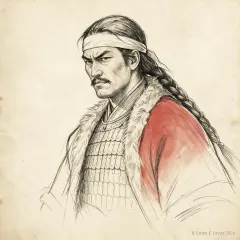 Issik Khan Ältester Sohn Bumins und zweiter Khan der Göktürken. Er machte 553 am Ordos den Rouran ein Ende und starb noch im selben Jahr.
-
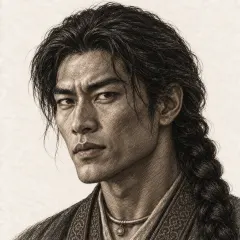 Istemi Bumins jüngerer Bruder, dreiundzwanzig Jahre lang Yabgu des Westens. Er vernichtete mit Persien die Hephthaliten, nahm Sogdien und verdoppelte das Khaganat.
- Jin Midi Sohn des Königs von Xiutu, 121 v. Chr. mit vierzehn Jahren in den Han-Palast aufgenommen. Er rettete den Kaiser Wudi vor dem Attentäter Mang Heluo und wurde Regent für den Kindkaiser Zhao.
- Joseph of Khazaria Herrscher der Chasaren in der Mitte des zehnten Jahrhunderts, Verfasser der Antwort an Hasdai ibn Shaprut von Córdoba. Er zählt seine jüdische Königslinie von Bulan bis zu sich selbst auf und erzählt, wie er die Flussmündung gegen die Rus bewacht.
- Jujian Tegin kurz Tegin der Göktürken, den Chula Khan 620 in Bingzhou zurückließ, nachdem seine Männer die Stadt geplündert hatten, damit er den Tang half, ihre Garnison zu halten.
- Junchen Chanyu Chanyu der Xiongnu, etwa 161 bis 126 v. Chr. Die Heqin-Regelung hielt in der ersten Hälfte seiner Herrschaft und brach bei Mayi zusammen; die Offensiven Wudis begannen unter ihm.
- Justin II Kaiser der Oströmer von 565 bis 578. Er empfing 568 die Gesandtschaft Maniachs, schickte Zemarchos zu Istemi und schloss das Bündnis mit den Göktürken gegen Persien.
- Kang Shaoli kurz Tegin der Göktürken, den Shibi Khan mit Pferden zu Li Yuan, dem Gründer der Tang, schickte, als dieser sich 617 erhob. Zwei Monate später kam er mit Soldaten der Göktürken zurück.
- Kang Sumi kurz Anführer der Hu am Hof Ilig Khans, als Sogder angesehen. 630 ging er mit der Sui-Kaiserin Xiao und Yang Zhengdao zu den Tang über und wurde Generalgouverneur der Tang.
- Kapgan Khan Zweiter Khan des Zweiten Göktürk-Khaganats, 691 bis 716. Er fiel bis in die Ebene von Hebei in China ein und vernichtete die Türgesch; von einem Nachzügler der Bayirku in einem Weidenwald getötet.
- Katulph Hephthalitischer Adliger des sechsten Jahrhunderts, nur aus Menander bekannt. Er ging zu den Göktürken über, dann zu Persien, und riet Chosrau I., die Seide der sogdischen Gesandtschaft zu verbrennen.
- Kayen Göktürk-Prinzessin, Frau des persischen Königs Chosrau I. und Mutter Hormizds IV. Sie war vielleicht eine Tochter Istemis und mit Chosrau verheiratet, um um 560 die Grenze am Oxus zu besiegeln.
- Kebineng kurz Xianbei-Häuptling, der in den 220er und 230er Jahren einen großen Teil der Konföderation unter einer Hand vereinte. Ein chinesischer Gouverneur ließ ihn 235 ermorden, und was er aufgebaut hatte, zerfiel.
- Khosrow I König der Könige des sasanidischen Persien, 531 bis 579, und Istemis Partner bei der Zerstörung der Hephthaliten. Er verbrannte die Seide der Sogder und schickte sie dadurch nach Konstantinopel.
- Kreka kurz Frau Attilas und Mutter seines ältesten Sohnes. Priscus besuchte sie 449 in ihrem Haus und fand sie unter ihren Mägden, die Tücher für Kleidung bestickten.
- Kuhanzhen kurz Siebter Sohn Ishbara Khans, der 585 die Unterwerfungsschrift seines Vaters an den Hof der Sui überbrachte. Der Kaiser machte ihn zum Zhuguo und Herzog von Anguo.
- Kül Tegin Prinz des Zweiten Göktürk-Khaganats, jüngerer Sohn Ilterishs. 716 tötete er die Erben seines Onkels und machte seinen Bruder zum Khan; gest. 731, betrauert durch das Denkmal von 732.
- Külüg Bagha Uigurischer General, der um den Jahreswechsel 839/840 zu den Kirgisen überlief und deren Heer gegen den uigurischen Hof am Orkhon führte. Die chinesischen Texte nennen ihn Julu Mohe.
- Kunaxolan kurz Einer von drei großen Khaganen, die ein Khagan der Göktürken nach Theophylaktos Simokates gegen den Rebellen Turum zu Hilfe rief. Der Grieche gibt seinen Namen als Kunaxolan und als Kunaxola.
- Kürabir Minister der letzten uigurischen Khane. Er ging 839 mit Shatuo-Truppen gegen den Khan vor und wurde 840 enthauptet, als die Kirgisen den Hof einnahmen. Die chinesischen Texte nennen ihn Jueluowu.
- Kursich kurz Hunnischer Anführer, der zusammen mit Basich einen Einfall nach Medien anführte, wahrscheinlich den Einfall von 395 über den Kaukasus. Die beiden kamen später mit vielen Männern nach Rom, um ein Bündnis zu schließen.
-
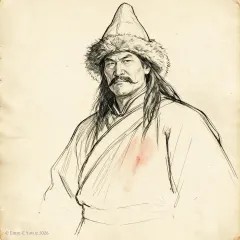 Kutlug Bilge Kül Khan Gründer des Uigurischen Khaganats, 744 bis 747. Er stürzte mit den Basmil und den Karluken den letzten Göktürk-Khan und wandte sich dann der Reihe nach gegen beide Verbündete.
- Kutluk Tegin kurz Gesandter Shibi Khans am Hof der Tang im Jahr 618, dem ersten Jahr der neuen Dynastie. Der Kaiser bewirtete ihn mit der neunteiligen Musik und führte ihn auf den kaiserlichen Sitz hinauf.
- Lady Poshi kurz Mutter Ilig Khans, des letzten Khans der östlichen Göktürken. Die Tang-Geschichtswerke nennen sie über ihren Gefolgsmann Tuyuhun Hunye, der den Khan von Geburt an aufzog.
- Dame Xiang Frau chinesischer Herkunft, Ehefrau Niri Khans der westlichen Göktürken und Mutter Heshana Khans. Am Hof der Sui festgehalten, wurde sie zweimal, 608 und 611, eingesetzt, um ihren Sohn zur Unterwerfung zu bringen.
-
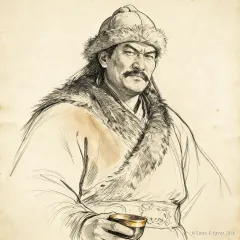 Laoshang Chanyu Chanyu der Xiongnu, von 174 bis etwa 161 v. Chr. Er vernichtete den König der Yuezhi und machte dessen Schädel zu einem Trinkbecher. An seinem Hof fand der Eunuch der Han Aufnahme, der ihn Rechnung führen lehrte.
- Li Deyu Oberster Minister der Tang unter Wuzong, 840 bis 846. Er bestimmte die Antwort des Hofes auf den Fall der Uiguren und schrieb dessen Briefe an den Khan der Kirgisen. 848 nach Hainan verbannt, starb er dort 850.
- Li Guangli General der Han, der 102 v. Chr. Dayuan einnahm. Die Xiongnu schlossen ihn 99 ein, und 90 ergab er sich dem Chanyu Hulugu, der ihm seine Tochter gab und ihn später bei einem Opfer töten ließ.
- Li Jian kurz Gesandter der Kirgisen am Hof der Tang, genannt in einem Edikt von 856. Er kam mit einigen Uiguren. Sein chinesischer Familienname wird als Spur des kirgisischen Anspruchs auf Verwandtschaft mit dem Haus Tang gedeutet.
- Li Ling Reiterkommandant der Han, der sich 99 v. Chr. den Xiongnu ergab, nachdem er mit 5.000 Fußsoldaten gegen den Chanyu gekämpft hatte. Er lebte zwanzig Jahre bei ihnen. Die Kirgisen nannten ihn ihren Ahnen.
- Li Shi (Gesandter der Tang) Beamter der Tang, der 845 dazu bestimmt wurde, den Titel eines Khans zu den Kirgisen zu bringen. Wuzong starb, bevor er aufbrach, und die Gesandtschaft wurde nie geschickt.
- Li Ye (Gesandter der Tang) kurz Minister des Amtes für Staatszeremoniell der Tang, 847 dazu bestimmt, die Kirgisen als Yingwu Chengming Khan einzusetzen. Der Titel war kürzer als der 845 vorbereitete.
- Lijicha kurz Anführer der Göktürken im späten sechsten Jahrhundert. Das Edikt der Sui von 583 erinnert daran, dass Goguryeo und die Mohe ihn schwer geschlagen hatten, als ein Zeichen dafür, dass alle Nachbarn der Göktürken ihre Feinde waren.
- Maniakh Sogder von Rang am Hof Istemis. Er führte die Gesandtschaft der Göktürken nach Persien und, als Chosrau die Seide verbrannte, die Gesandtschaft von 568 nach Konstantinopel.
- Markian Kaiser der Oströmer von 450 bis 457. Er stellte den Tribut an die Hunnen ein, ließ Chrysaphios hinrichten und empfing nach Attilas Tod die Völker, die sich von der Herrschaft der Hunnen befreiten.
- Marwan ibn Muhammad kurz Umayyadischer General, der 737 in das Land der Chasaren einfiel und den Khagan zwang, den Islam anzunehmen. Später wurde er Kalif.
- Maximinus Oströmischer Gesandter bei Attila im Jahr 449, den der Geschichtsschreiber Priscus begleitete. Er wurde geschickt, ohne vom Plan zur Ermordung Attilas zu wissen, und starb in der Thebais nach einem Frieden mit den Blemmyern.
- Meng Tian General der Qin, der den Xiongnu das Land südlich des Gelben Flusses abnahm und es mit einer Mauer, Städten und einer Straße hielt. Duman konnte ihn nicht schlagen. Nach seinem Tod kehrten die Xiongnu an den Fluss zurück.
- Moduo Daguan kurz Junger Mann im Heer des westlichen Yabgu Khan, der jahrelang in Chang'an gelebt hatte. Der Khan machte ihn zum Offizier und schickte ihn mit dem Pilger Xuanzang als Dolmetscher und Führer bis Kapisa.
- Mugulü Der namengebende Ahnherr des Herrscherhauses der Rouran, wie das Wei Shu ihn erzählt: ein gefangener Sklave der Tuoba, der mit hundert Flüchtlingen vor einem Todesurteil in die Gobi floh.
-
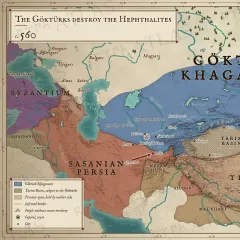 Mukan Khan Zweiter Sohn Bumins und dritter Khan der Göktürken, 553 bis 572. Unter ihm unterwarf das Khaganat die Kirgisen und die Kitan und kämpfte an der Seite der Zhou gegen die Nördlichen Qi.
- Mundzuk kurz Vater Attilas und Bledas, Bruder der Könige Oktar und Rua. Sein Name wird als türkisch verstanden.
- Nadulu Shad kurz Ältester Sohn des Yizhi Nishidu in der Suo-Erzählung des Zhou Shu. Er rettete sein Volk mit Feuer und wurde unter dem Namen Türk zum Herrn erhoben. Das Xin Tang Shu macht ihn zum Großvater Tuwus.
- Nagai Khan Khan der Rouran von 492 bis etwa 506, Onkel Tuluns. Die Rouran machten ihn zum Khan, nachdem sie seinen Neffen getötet hatten. Für seine Regierung verzeichnet das Wei Shu nur seinen Titel und seine Ära.
- Nanai-vandak kurz Sogdischer Kaufmann in Gansu, Schreiber des Alten Briefs II, höchstwahrscheinlich 313. Er leitete für einen Auftraggeber in Samarkand ein Handelsnetz nach China. Sein Brief berichtet vom Fall Luoyangs an die Hunnen.
- Nasr ibn Sayyar kurz Der letzte umayyadische Statthalter von Chorasan. Er schloss mit den Sogdern Frieden zu deren Bedingungen und holte die Verbannten heim. Unter ihm wurde die Front zwischen Samarkand und Ustrushana gefestigt.
- Natra Bruder des Khagans der Türken, der Bahram Chobin Zuflucht gewährte. Er warb um die Hand von Bahrams Schwester Gordiya, verfolgte sie mit 12.000 Kriegern, als sie fortzog, und fiel durch ihre Hand.
- Niri Khan Khan der westlichen Göktürken, nach Apas Gefangennahme 587 von Apas Leuten erhoben, Vater Heshana Khans. Er verband sich mit der Prinzessin Dayi gegen die Sui und wurde um 601 von den Tiele geschlagen.
- Nishu Bagha Shad Prinz der Göktürken im Westen, der nach der Ermordung Tong Yabgus den Thron ablehnte, Si Yabgu zum Khan erhob und den Mörder tötete. Er selbst herrschte von 632 bis 634 als Duolu Khan.
-
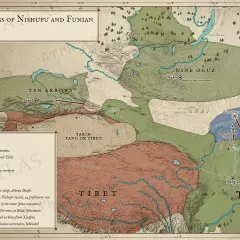 Nishufu Khan Der Khan des Aufstands von 679, von zwei Ashide-Häuptlingen erhoben, als vierundzwanzig Präfekturen zugleich abfielen. Von seinen eigenen Leuten getötet, als das zweite Heer der Tang kam.
- Obadiah of Khazaria kurz Chasarischer König in der Antwort König Josephs, ein Nachkomme Bulans. Der Brief schreibt ihm zu, das Königreich neu geordnet, Synagogen und Schulen gebaut und die jüdische Religion fest begründet zu haben.
- Oktar kurz Hunnenkönig und Onkel Attilas, der mit seinem Bruder Rua vor ihm herrschte. Er starb um 430 auf einem Feldzug gegen die Burgunder östlich des Rheins.
- Ögä Khan Khan der Uiguren, der 840 überlebte. Er nahm die Tang-Prinzessin Taihe dem kirgisischen Geleit ab, überfiel die Grenze der Tang, unterlag 843 am Shahu-Berg einem Heer der Tang und wurde um 846 getötet.
- Onegesius Attilas oberster Minister und nach ihm der mächtigste Mann unter den Hunnen. Priscus wohnte 449 in seinem Haus und hielt seine Weigerung fest, zu den Römern überzugehen.
- Orestes Römer aus Pannonien, Attilas Sekretär und Gesandter. Er kam 449 mit Edekon nach Konstantinopel und trug später den Beutel des Komplotts zum Kaiser. Vater des Romulus Augustulus.
- Ozmish Khan Der Linke Shad des Zweiten Göktürk-Khaganats und ein Vetter Bilge Khans. Er tötete 741 den Knabenkhan Tengri und wurde bis 744 mit der Dynastie hinweggefegt.
- Pan Die kurz Tudun, den Ishbara Khan in den 580er Jahren zur Verwaltung der Kitan für die Göktürken entsandte. Nach dem Bei Shi töteten ihn die Kitan und flohen.
- Parmudha Sohn Šābas, des Königs der Türken in der persisch-arabischen Überlieferung. Bahram Chobin belagerte ihn in seiner Festung, nahm seine Unterwerfung an und schickte ihn mit ihrem Schatz zu Hormizd IV.
- Pei Ju Beamter der Sui, der unter Yangdi die Beziehungen des Hofes zu den Westlichen Regionen und den Göktürken führte. Seine Illustrierte Aufzeichnung von 607 beschrieb drei Straßen nach Westen; sein Plan von 610 stellte Shegui gegen Heshana.
-
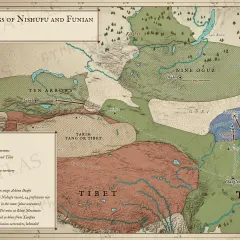 Pei Xingjian Der Befehlshaber der Tang in den Aufständen von 679 bis 681. Er brach zwei Wiederherstellungen der Göktürken in drei Jahren, und die dritte, zwei Jahre nach seinem letzten Sieg, gelang.
- Pofu Katun Tonyukuks Tochter, Katun Bilge Khans und Regentin für ihren kleinen Sohn. Der Staat, den sie mit einem unbedeutenden Beamten an ihrer Seite führte, zerfiel 741 unter ihren Händen.
- Poliuhan Baling Mann aus der Garnison Woye, der 523 oder 524 den Aufstand der nördlichen Garnisonen der Nördlichen Wei auslöste und den Ärennamen Wahrer König annahm. 525 brach Anaguis Heer ihn für die Wei.
- Poluomen Khan Rouran-Khan im Jahr 521, Vetter Anaguis. Die Rouran machten ihn zum Khan, nachdem er den Usurpator Shifa vernichtet hatte. Die Gaoche schlugen ihn binnen Monaten, die Wei siedelten ihn in Dunhuang an, und er starb 524 als Gefangener.
- Poshi Tegin kurz Prinz der Göktürken, jüngerer Bruder Niri Khans, des Herrschers der westlichen Göktürken. Er heiratete Niris Witwe, Dame Xiang, und blieb mit ihr ab etwa 600 am Hof der Sui.
- Prinzessin Anyi kurz Prinzessin aus dem kaiserlichen Clan der Sui, 597 mit Yami verheiratet, dem damaligen Tuli Khan im Norden. Die Sui nutzten die Heirat, um die Göktürken zu spalten; 599 war sie bereits gestorben, und Yicheng trat an ihre Stelle.
- Prinzessin Changle Die Prinzessin der Westlichen Wei, die 551 Bumin gegeben wurde. Die Heirat besiegelte das Bündnis gegen die Rouran, ein Jahr bevor Bumin den Titel eines Khans annahm.
- Prinzessin Huainan kurz Prinzessin der Sui, verheiratet mit Töles, dem Sohn Shibi Khans, als er noch den Titel Nibu Shad trug und das östliche Lager der Göktürken befehligte.
-
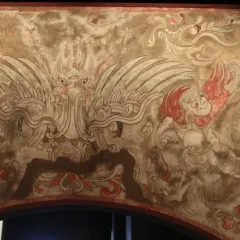 Princess Linhe Enkelin des Rouran-Khans Anagui, 542 am Hof der Östlichen Wei mit Gao Zhan verheiratet, einem Sohn Gao Huans. Ihr Grab bei Cixian in Hebei wurde 1978 und 1979 geöffnet.
- Prinzessin Qianjin Prinzessin der Nördlichen Zhou, ab 580 Katun Taspars, Ishbaras und Tulans. Sie trieb Ishbara in den Krieg gegen die Sui, die sie in Prinzessin Dayi umbenannten und später ihren Tod verlangten.
- Prinzessin Taihe Tang-Prinzessin, 821 mit dem Khan der Uiguren verheiratet. Die Kirgisen nahmen sie 840 gefangen und schickten sie heim, ein uigurischer Prinz ergriff sie, und der Tang-General Shi Xiong gewann sie zurück. 843 erreichte sie Chang'an.
- Prinzessin Xinyi kurz Prinzessin der Sui, 614 mit Heshana Khan verheiratet, dem westlichen Göktürk-Khan, der sich unterworfen hatte und am Hof der Sui lebte. Der Kaiser gab ihm mit ihr tausend Gewänder und zehntausend Ballen Seide.
- Princess Yicheng Die Sui-Prinzessin, die nacheinander vier Göktürk-Khanen vermählt war und die Politik ihres eigenen Hauses gegen China wandte. Sie wurde getötet, als die Tang 630 den Hof des Khaganats einnahmen.
- Qiedihou Chanyu Chanyu der Xiongnu, 101 bis 96 v. Chr. Er schickte die Han-Gesandten zurück. 99 v. Chr. vernichtete er beinahe das Heer des Li Guangli. Er nahm die Unterwerfung des Li Ling an und verheiratete ihn mit seiner Tochter.
- Qinyu Shad kurz Shad der Göktürken aus dem Haus Ashina, ein jüngerer Bruder Tulan Khans. Seine Stämme wurden stark, und Tulan griff ihn aus Eifersucht an und ließ ihn auf dem Feld enthaupten.
- Que Dadu Shad Prinz der Göktürken, jüngerer Bruder Heshana Khans, der das Volk seines Bruders für die Sui in Huining hielt. Er überfiel für Pei Ju die Tuyuhun, nannte sich Que Khan und wurde von Li Gui vernichtet.
- Qutayba ibn Muslim Der arabische Statthalter, der zwischen 705 und 715 Sogdien für das Kalifat eroberte: Paikent, Buchara, Samarkand, Chorezm. Sein eigenes Heer tötete ihn, als der Kalif starb, der ihn gestützt hatte.
- Rehan Tegin kurz Gesandter Ilig Khans, den die Tang an ihrem Hof festhielten, während Ilig die Gesandten der Tang festhielt. Er wurde mit Gold und Seide heimgeschickt, als die beiden Höfe 621 oder 622 Frieden schlossen.
- Right Shad (d. 741) Vetter Bilge Khans und Befehlshaber der westlichen Hälfte des Heeres unter Tengri Khan. Tengri und seine Mutter lockten ihn zu sich und ließen ihn 741 enthaupten; sein Tod leitete das Ende des Khaganats ein.
- Rua König der Hunnen und Onkel Attilas, der mit seinem Bruder Oktar und nach etwa 430 allein herrschte. Er erhielt jährlich Tribut aus Konstantinopel und verhalf Aëtius im Westen zur Macht.
- Rudan Khan kurz Khan der Göktürken aus dem Haus Ashina, ein jüngerer Bruder Taspar Khans. Er war der Vater Börü Khans, des Kleinen Khans des Westens ab 572, oder nach einem chinesischen Geschichtswerk dieser Khan selbst.
- Rudan Tegin kurz Prinz der Göktürken aus dem Haus Ashina, ein jüngerer Bruder Tulan Khans von derselben Mutter. Er brachte einen Stab aus Chotan-Jade an den Hof der Sui und wurde zum Zhuguo und Herzog von Kang ernannt.
- Šāba Der König der Türken in der persisch-arabischen Überlieferung. Er zog im elften Jahr Hormizds IV. gegen Persien und fiel durch den Pfeil Bahram Chobins. Ob er Bagha Khan oder ein Sohn Tardushs ist, ist umstritten.
- Skottas Hunnischer Adliger aus Attilas innerem Kreis und Bruder des Onegesius. Er kam, um nach dem Frieden des Anatolius das römische Gold zu empfangen, und verschaffte Priscus 449 eine Audienz bei Attila.
- Sebüktegin kurz Türkischer Sklavensoldat, der im zehnten Jahrhundert die Dynastie der Ghaznawiden gründete. Er wurde in Barskhan am Issyk-Kul geboren, als Kind von den Tukhsi geraubt und in Chach verkauft und stieg zum Herrscher in Ghazna auf.
- Shegui Khan Khan der westlichen Göktürken von 611 bis 618 oder 619 und jüngerer Bruder Tardushs. Die Sui setzten ihn gegen seinen Oberherrn Heshana auf, und er trieb ihn nach Gaochang.
-
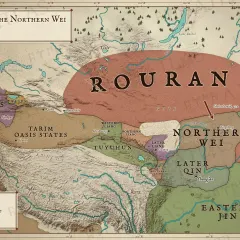 Shelun Khan Gründer des Rouran-Khaganats, gest. 410. Ein Flüchtling vor den Nördlichen Wei, der die Gaoche aufnahm und nach Ansicht einiger Gelehrter als erster Steppenherrscher den Titel Khagan führte.
- Shi Xiong Tang-General, der 843 am Berg Shahu das Lager des uigurischen Khans Ögä zerschlug und die Prinzessin Taihe heimbrachte. Unter Xuanzong entlassen, starb er 848.
- Shibi Khan Sohn des Yami und Khan der östlichen Göktürken, 609 bis 619. Er belagerte 615 den Sui-Kaiser bei Yanmen und lieh Li Yuan die Reiter, die Chang'an einnahmen.
- Shiboqu Azhan Häuptling der Kirgisen mit dem Titel Silifa. Er kam 648 persönlich an den Hof Taizongs, und der Kaiser machte das Land der Kirgisen zur Statthalterschaft Jiankun und ihn zu deren Generalgouverneur.
- Shishu Huxi kurz Berater des Shibi Khan, einer der Hu am Hof der Göktürken. Der Sui-Beamte Pei Ju lockte ihn mit einem vorgetäuschten Markt nach Mayi und ließ ihn töten, und Shibi brach mit den Sui.
- Si Yabgu Khan Sohn des Tong Yabgu und Khan der westlichen Göktürken von der Ermordung seines Vaters bis 632, zuerst neben dem Mörder, dann allein. Von den Xueyantuo geschlagen und von seinen Herren verlassen, floh er nach Kangju.
- Sijie Irkin kurz Häuptling der Sijie, eines Tiele-Stammes unter den östlichen Göktürken. Er ging 630, nach dem Fall des Ilig Khan, mit vierzigtausend Menschen zu den Tang über.
- Silifa kurz Göktürk-Prinz aus dem Haus Ashina, ein Neffe des Tardush oder nach einem chinesischen Geschichtswerk sein Sohn. 600 schickte Tardush ihn von östlich der Wüste aus gegen Yami; er zog sich zurück, als die Sui die Pässe hielten.
- Sparzeugun kurz Einer der drei großen Khagane, die ein Khagan der Göktürken nach Theophylaktos Simokates gegen den Aufrührer Turum zu Hilfe rief. Einige Gelehrte halten ihn für einen Ishbara Yabgu.
- Su Dingfang Der Tang-General, der das westliche Khaganat beendete. 657 brach er Ashina Helu in zwei Schlachten und einem Wintermarsch, und die Zehn Pfeile kamen unter chinesische Verwaltung.
- Su Wu Gesandter der Han bei den Xiongnu, ab 100 v. Chr. neunzehn Jahre im Norden festgehalten. Er schlug jedes Angebot aus, die Seite zu wechseln, hütete Widder am Nordmeer mit dem Stab der Han in der Hand und kehrte mit neun Männern zurück.
- Sulu Khan Der Türgesch-Khan, der die westliche Steppe einundzwanzig Jahre lang gegen das Kalifat hielt. Er schlug die arabischen Heere zweimal und verschwägerte sich mit drei Höfen zugleich. Seine eigenen Befehlshaber töteten ihn 738.
- Suni Shi Jüngerer Bruder des Yami Khan und Shaboluo Shad über fünfzigtausend Haushalte nordwestlich von Lingzhou. Er nahm 630 den Ilig Khan auf, lieferte ihn an die Tang aus und folgte ihm 634 in den Tod.
- Suopi Shad kurz Shad der Göktürken im späten sechsten Jahrhundert, vom Hezhi Khan getötet. Das Edikt der Sui von 583 erinnert an seinen Tod als eines der Zeichen dafür, dass alle Nachbarn der Göktürken ihre Feinde waren.
- Ta-bu-he-zu General der Kirgisen und ihr erster Gesandter an die Tang nach dem Fall der Uiguren. Er erreichte im Winter 842 die Grenzstadt Tiande mit einer Bittschrift über die Prinzessin Taihe.
- Tagma Tarkhan kurz Gesandter der Göktürken mit dem Titel Tarkhan, den Istemi mit der zurückkehrenden Gesandtschaft des Zemarchos nach Konstantinopel schickte, anstelle des gestorbenen Sogders Maniach.
- Tahan kurz Jüngerer Bruder des Rouran-Khans Anagui. 538 verheirateten die Westlichen Wei ihn mit einer Tochter eines ihrer Beamten, unter dem Titel Prinzessin Huazheng.
- Tamim ibn Bahr kurz Arabischer Gesandter, der wahrscheinlich 821 zur uigurischen Hauptstadt am Orkhon reiste. Sein Bericht zeigt die Uiguren als Herren der Steppe nördlich des Tian Shan bis Chach, mit Relaisstationen und einer Post.
- Tanhan Khan kurz Khan der Göktürken in den frühen 580er Jahren und langjähriger Freund des Apa. Er kämpfte 583 an der Seite Ishbaras gegen die Sui; Ishbara nahm ihm dann sein Volk und setzte ihn ab, und er floh zu Tardush.
-
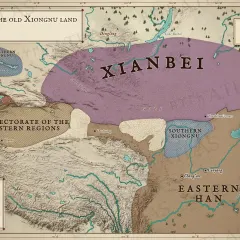 Tanshihuai Großer Häuptling der Xianbei, etwa 136 bis 181. Er nahm das ganze alte Land der Xiongnu, lehnte das Siegel eines Han-Königs ab, schlug an einem Tag drei Heere der Han und hinterließ nichts, was ihn überdauerte.
- Tardu Shad Ältester Sohn des westlichen Yabgu Khans und um 630 Herr von Huo, dem späteren Kunduz. Er war mit einer Prinzessin von Gaochang verheiratet, wurde von seiner zweiten Frau vergiftet, und sein ältester Sohn riss seinen Rang an sich.
-
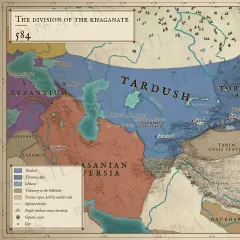 Tardush Sohn Istemis und Yabgu des Westens von 576 bis 603. Er verlegte den Sitz nach Suyab, griff nach dem ganzen Khaganat und wurde durch einen Aufstand der Tiele ins Exil getrieben.
-
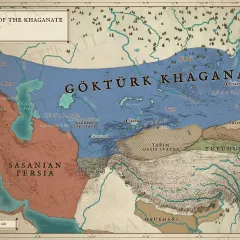 Taspar Khan Jüngster Sohn Bumins und vierter Khan der Göktürken von 572 bis 581. Er herrschte über das Khaganat in seiner größten Ausdehnung und förderte einen buddhistischen Mönch. Sein Wunsch für die Nachfolge zerbrach das Herrscherhaus.
- Tatik Iznanchu General der Kirgisen und ihr vierter Gesandter zu den Tang, vermutlich der letzte unter Wuzong. Er brachte 844 zwei weiße Pferde und eine Bittschrift nach Chang'an.
- Tengri Khan Knabe auf dem Thron des Zweiten Göktürk-Khaganats ab 734, unter der Regentschaft seiner Mutter. 740 von den Tang eingesetzt und 741 von einem Vetter seines Vaters getötet.
- Theodora of Khazaria Schwester eines chasarischen Khagans und Frau des verbannten byzantinischen Kaisers Justinian II. Nachdem er den Thron zurückgewonnen hatte, holte er sie aus Chasarien nach Konstantinopel und krönte sie mit ihrem Sohn Tiberios.
- Theoderich I. König der Westgoten von 419 bis 451. Seine Goten vernichteten 439 vor Toulouse die hunnischen Hilfstruppen der Römer; 451 schloss er sich Aëtius gegen Attila an und fiel auf den Katalaunischen Feldern.
- Theodosius II. Kaiser der Oströmer von 408 bis 450. Seine Regierung zahlte den Hunnen Ruas und Attilas einen steigenden Tribut, und 449 plante sein Minister Chrysaphios die Ermordung Attilas.
- Thorismund König der Westgoten von 451 bis 453, Sohn Theoderichs I. Er kämpfte auf den Katalaunischen Feldern gegen Attila und besiegte ihn nach Jordanes ein zweites Mal jenseits der Loire.
- Töles Khan Sohn Shibis und Neffe Iligs, ab 620 geringerer Khan des östlichen Flügels. Ilig ließ ihn 627 auspeitschen; 629 lief er zu den Tang über und starb 631 in Bingzhou, neunundzwanzig Jahre alt.
-
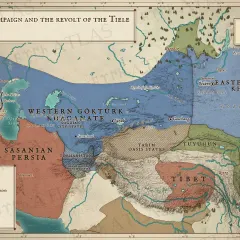 Tong Yabgu Herrscher der westlichen Göktürken von 618 bis 630. Er einte den Westen neu, gewann Baktrien zurück und verbündete sich mit Herakleios; von seinem Onkel ermordet, wonach sich der Westen auflöste.
-
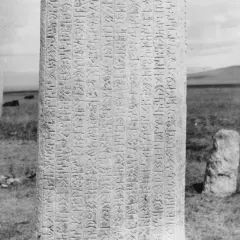 Tonyukuk Berater und Feldherr der ersten drei Khane des Zweiten Göktürk-Khaganats. Der Verfasser des einzigen Berichts über die Wiederherstellung in der ersten Person.
- Tör Apa kurz Mann, der auf der Begre-Stele (E 11) in Tuwa genannt wird, mit fünfzehn gegen den Tabgach-Khan ritt und mit siebenundsiebzig starb. Ob Tör Apa sein Name, der Name seines Häuptlings oder ein Titel ist, wird auf dreierlei Weise gedeutet.
-
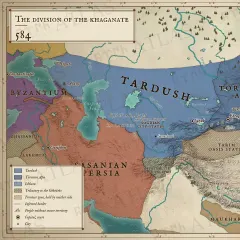 Töremen Apa Sohn Mukans, den Taspar zum Nachfolger wollte und den die Versammlung von 581 ablehnte. Als Apa Khan kämpfte er mit dem westlichen Flügel im Rücken gegen Ishbara, bis Bagha ihn 587 lebend gefangen nahm.
- Tuhezhen Khan Khan der Rouran von vor 449 bis 464 nach der Rechnung des Wei Shu. Er belagerte 449 eine Wei-Heersäule, floh dann neun Tage und Nächte und verlor sein Gepäck und eine Million Stück Vieh.
-
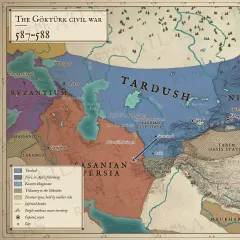 Tulan Khan Khan der östlichen Göktürken ab 588, nach Bagha, dessen Yabgu er gewesen war. Er versuchte, die Sui abzuschütteln, wurde von seinem Neffen Yami verraten und 599 von seinen eigenen Gefolgsleuten getötet.
- Tuldich kurz Einer von drei großen Khaganen, die ein Göktürk-Khagan nach Theophylaktos Simokates gegen den Aufrührer Turum zu Hilfe rief. Manche Forscher geben seinem Namen die türkische Form Tuldïq.
- Tulun Khan Khan der Rouran von 485 bis 492. Er verlor die Gaoche, als Afuzhiluo 487 mehr als hunderttausend Zelte nach Westen führte. Sein eigenes Volk tötete ihn und seine Mutter.
- Tun Bagha Tarkan Vierter Khan der Uiguren von 779 bis 789. Als oberster Minister und Vetter Bögüs tötete er ihn, statt ihn in China einfallen zu lassen, und die sogdische Partei fiel mit ihm.
- Türk-shad Göktürk-Prinz im Westen, Bruder Tardushs. Er empfing 576 den römischen Gesandten Valentinos und schickte das Heer, das Bosporos auf der Krim einnahm.
- Turum kurz Göktürk-Prinz und Verwandter des Khagans, der sich gegen ihn erhob und bei Ikar gegen den Khagan und drei verbündete Khagane fiel, wie Theophylaktos Simokates aus dem Brief des Khagans berichtet.
- Tuwu Vater von Bumin und Istemi und das Oberhaupt, unter dem die Ashina im Altai für die Rouran Eisen verarbeiteten. Das Sui Shu kennt ihn als Großen Yabgu, gestorben um 542.
- Tuyuhun Hunye kurz Gefolgsmann der Mutter Ilig Khans, der den Khan von Geburt an aufzog. Als Ilig 634 in Gefangenschaft in Chang'an starb, schnitt er sich die Kehle durch, um ihm zu folgen.
- Tzitzak kurz Tochter eines chasarischen Khagans, die 732 den byzantinischen Thronfolger Konstantin, den späteren Konstantin V., heiratete. Sie wurde auf den Namen Irene getauft und war die Mutter Leos IV., genannt der Chasare.
- Üç Tuğlu Khan Yukuk Shad, ab 638 Khan der Duolu-Stämme als Yipi Duolu Khan. Er spaltete die westlichen Göktürken am Ili, tötete den Khan der Nushibi, nahm Tocharistan ein und floh 642 selbst nach Tocharistan.
- Uldin kurz Hunnenkönig an der unteren Donau um 400 bis 408, der erste Hunne, dessen Name gesichert ist. Er tötete den Rebellen Gainas, kämpfte für Stilicho gegen Radagaisus und fiel in Thrakien ein.
- Valamir König der Ostgoten unter Attila, der ihn und den Gepiden Ardarich über alle seine anderen Könige stellte. Nach Attilas Tod schlug er Attilas Söhne in Pannonien.
- Valentinian III. Kaiser der Weströmer von 425 bis 455. Er verweigerte Attila die Hand seiner Schwester Honoria und das halbe Reich, tötete 454 seinen Feldherrn Aëtius und wurde ein Jahr später ermordet.
- Valentinos Römischer Gesandter, einer der kaiserlichen Schwertträger, 576 von Tiberius Caesar zu den Göktürken geschickt. Er traf Turxanthos in Trauer um Istemi an und wurde festgehalten, während die Göktürken Bosporos nahmen.
- Wang Zhaojun Palastdame der Han, 33 v. Chr. dem Chanyu Huhanye der Xiongnu gegeben. Sie gebar ihm einen Sohn und als Frau seines Nachfolgers zwei Töchter. Die Tötung ihres Sohnes half, die Spaltung von 48 auszulösen.
- Wei Jie Zensor der Sui, der mit Du Xingman unter dem Kaiser Yang in die westlichen Länder reiste und das Xifan ji schrieb, das das Tongdian zitiert. 610 überbrachte er Heshana die Vorladung.
- Wei Lü Han-Gesandter von Hu-Herkunft, der zu den Xiongnu floh und König der Dingling wurde. Er verhörte Su Wu, ließ Li Guangli opfern und half 85 v. Chr., Huyandi als Chanyu einzusetzen.
- Wei Qing General der Han in den Kriegen gegen die Xiongnu, 129 bis 119 v. Chr. Er nahm 127 den Xiongnu den Ordos ab, überraschte 124 den Rechten Weisen König in seinem Lager und traf 119 den Chanyu nördlich der Gobi.
- Wen-wu Alp General der Kirgisen und der dritte Gesandte, den sie zu den Tang schickten. Er erreichte Chang'an im Juli 843 mit 100 Pferden und zehn Falken, bat für seinen Herrn um den Titel Himmelskhan und wurde abgewiesen.
- Woyanqudi Chanyu Chanyu der Xiongnu, 60 bis 58 v. Chr. Eine Palastverschwörung erhob ihn; er säuberte den Hof seines Vorgängers, verlor den Rizhu-König an die Han und tötete sich selbst, als die östlichen Edlen Huhanye gegen ihn einsetzten.
- Wuti Khan Sohn und Nachfolger Datans, Khan der Rouran von 429 bis in die 440er Jahre. Er schloss das erste Heiratsbündnis mit den Nördlichen Wei und brach dann 436 den Frieden.
- Wuwei Chanyu Chanyu der Xiongnu, etwa 114 bis 105 v. Chr., Sohn des Yizhixie. Er ließ den Gesandten Wudis ans Nordmeer verbannen, weigerte sich, seinen Erben zu den Han zu schicken, und bat immer wieder um Heqin.
- Xulihu Chanyu Chanyu der Xiongnu, 102 bis 101 v. Chr., jüngerer Bruder des Wuwei. Er ließ die Forts der Han nördlich von Wuyuan niederreißen, überfiel Dingxiang, Yunzhong und den Hexi-Korridor und starb noch im selben Jahr.
- Xulüquanqu Chanyu Chanyu der Xiongnu, 68 bis 60 v. Chr. Er suchte inmitten von Hungersnot und dem Verlust von Cheshi ein Heqin mit den Han. Bei seinem Tod machte die Gemahlin, die er zurückgesetzt hatte, ihren Liebhaber zum Chanyu, und sein Sohn kehrte als Huhanye zurück.
-
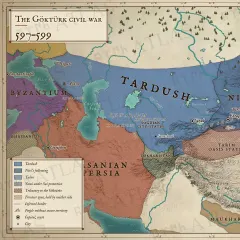 Yami Khan Sohn Ishbaras und Verräter an der Sache der Göktürken. Er verkaufte seinen Khan an die Sui, führte 603 chinesische Truppen in das heilige Ötüken und herrschte als Klient des Kaisers über den Osten.
- Yang Zhong kurz Der General der Nördlichen Zhou, der 563 neben Mukan die chinesische Kolonne in das Gebiet der Qi führte und danach seinem Kaiser sagte, die Göktürken seien nicht schwer zu behandeln.
- Yangsu Tegin kurz Göktürk-Prinz des sechsten Jahrhunderts und Vater des Niri Khan der westlichen Göktürken. Die chinesischen Geschichtswerke nennen ihn, als das Volk Apas nach 587 seinen Sohn zum Khan erhob.
- Yinan Khan Zhenzhu Bilge Khan der Xueyantuo, gestorben 645. Er schlug Ilig im Feld, nahm 628 mit einer Urkunde der Tang das Khanat an und herrschte siebzehn Jahre über die Steppe nördlich der Gobi.
- Yinnai Tegin kurz Göktürk-Tegin, der im zwölften Monat des Jahres 629 mit Töles und dem Yushe Shad zu den Tang überging, als die Tang-Heere gegen Ilig Khan zogen.
- Yintou Tegin kurz Göktürk-Tegin, Gesandter Tulan Khans am Hof der Sui im Jahr 599. Der Kaiser ließ ihn Tulans Sache gegen Yami vertreten und gab Yami recht.
- Yiran Khan Sohn und Nachfolger Bilge Khans, nach der Vergiftung von 734 vom Volk eingesetzt und binnen Monaten an einer Krankheit gestorben. Sein jüngerer Bruder Tengri folgte ihm.
- Yiwu Tudun Shad kurz Herr der Oase Yiwu, des späteren Hami, mit einem Göktürk-Titel im Jahr 609. Er kam am Berg Yanzhi zum Kaiser der Sui und bot ihm mehrere tausend li Land in den Westgebieten an.
- Yizhi Nishidu kurz Vom Wolf geborener Ahnherr in der Suo-Erzählung des Zhou Shu über den Ursprung der Göktürken. Er rief Wind und Regen herbei, heiratete Töchter der Götter des Sommers und des Winters und zeugte vier Söhne.
- Yizhi-lianji kurz Kirgisischer Gesandter am Tang-Hof im Jahr 866, ein im Tang huiyao genannter General. Sein Name könnte eine entstellte Form des türkischen Ranges ičräki sein, was ihn neben den Mann der Begre-Stele stellt.
- Yizhixie Chanyu Chanyu der Xiongnu, etwa 126 bis 114 v. Chr. Er nahm dem Erben seines Bruders den Thron und verlor den Hexi-Korridor an die Heere Wudis. Bei Mobei brach er mit einigen hundert Reitern aus dem Ring der Han aus.
- Yucheng Khan Khan der Rouran von 464 bis 485 nach der Rechnung des Wei Shu und der Erste, der eine eigene Regierungsära ausrief. 470 am Fluss Nü geschlagen, bemühte er sich zehn Jahre lang um eine Heirat mit den Wei und wurde abgewiesen.
- Yukuk Shad Göktürk-Prinz unter Ilig Khan, der die Tiele-Stämme nördlich der Wüste befehligte. Die Uiguren brachen sein Heer im Aufstand von 627, und 630 floh er nach Gaochang und ging dann zu den Tang über.
- Yushe Shad Sohn Chula Khans, der in den 620er Jahren Göktürk-Stämme an der Ordos-Grenze der Tang hielt. Er belagerte 626 Wucheng und ging Ende 629 zu den Tang über.
- Yuwen Hu kurz Regent der Nördlichen Zhou von 557 bis 572, Neffe des Yuwen Tai. Er machte und stürzte drei Kaiser und verlor die Luoyang-Offensive von 564, um die Mukan gebeten hatte.
- Yuwen Tai Kanzler und Befehlshaber der Westlichen Wei, gestorben 556. Er schickte 545 die erste Gesandtschaft zu Bumin und gab ihm 551 die Prinzessin Changle.
- Zemarchos Byzantinischer Gesandter, den Justin II. 569 mit Maniach zu Istemis Lager bei Ektag schickte. Er kehrte mit einer Göktürk-Gesandtschaft heim und schüttelte mit Seide als Köder ein persisches Heer ab.
- Zerkon Maurischer Spaßmacher des Hunnenkönigs Bleda. Attila gab ihn nach Bledas Tod an Aëtius; 449 kam er zurück, um seine Frau zu holen, und brachte Attilas Gastmahl auf Lateinisch, Hunnisch und Gotisch zum Lachen.
- Zhang Qian Gesandter der Han zu den Yuezhi im zweiten Jahrhundert v. Chr., zehn Jahre von den Xiongnu festgehalten. Der erste Chinese, der Fergana und Baktrien erreichte und darüber berichtete. Sein Bericht ist der Kern von Shiji 123.
- Zhang Renyuan Der Tang-Beamte, der jenseits des Gelben Flusses die drei Städte der Unterwerfung baute und den Göktürk-Plünderern den Weg nach Süden verschloss.
- Zhao Fan kurz Tang-Minister des Kaiserlichen Gestüts, der 843 ernannt wurde, um das Land der Kirgisen zu trösten und ihren Gesandten zu empfangen. Er überbrachte dem Kaiser das Angebot der Kirgisen zu einem gemeinsamen Feldzug.
- Zhenzhu Tong Irkin kurz Gesandter des Tong Yabgu am Hof der Tang im Jahr 627. Er brachte einen Goldgürtel mit zehntausend Beschlägen und fünftausend Pferde für die Tang-Prinzessin, die der Khan heiraten sollte.
- Zhishi Sili Häuptling der Göktürken und Vertrauter des Ilig Khan, dessen Gesandter bei den Tang in den Jahren 626 und 630. Nach dem Fall des Khaganats diente er den Tang als General und heiratete eine Tang-Prinzessin.
-
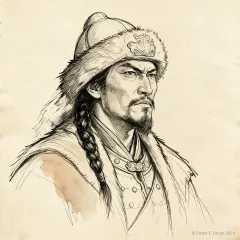 Zhizhi Chanyu Chanyu der Xiongnu von 56 bis 36 v. Chr. Er weigerte sich, sich den Han zu unterwerfen, und führte das erste Xiongnu-Reich bis zum Talas nach Westen. Dort tötete ihn eine Han-Kolonne, die ohne Befehl handelte.
- Zhonghang Yue Han-Eunuch, der beim Geleit einer Prinzessin zu Laoshang Chanyu zu den Xiongnu überlief. Er lehrte den Chanyu, Menschen und Herden schriftlich zu zählen und den Han auf längeren Tafeln zu antworten.
- Zhu-wu Alp Sol Gesandter des Khans der Kirgisen, der am 16. März 843 Chang'an erreichte. Wuzong setzte ihn im Rang über den Gesandten von Bohai, ließ die Gesandten malen und befahl, den Khan in das Register des Kaiserhauses einzutragen.
Bildnachweise
- Afrasiab: Afrasiab on the throne of Iran, which he took after killing Nowzar. A page of the Shahnameh made for Shah Tahmasp at Tabriz, about 1525–30, painting attributed to Bashdan Qara. The Metropolitan Museum of Art, New York, 1970.301.16, gift of Arthur A. Houghton Jr., 1970; detail. Public domain.
- An Lushan: An Lushan in a modern portrait. © Emre-E Yavuz 2026
- Anagui: Anagui in a modern portrait. © Emre-E Yavuz 2026
- Anluochen: 554: Anluochen rises against the Northern Qi. The Rouran raid Sizhou, and the Qi emperor pursues them from Jinyang to the Huanggua hill. He takes more than 30,000 of their people. In the south the Western Wei take Jiangling and set Xiao Cha over a Liang dependent on them. Modern map. The roads are drawn. © Emre-E Yavuz 2026
- Are Khan: Are Khan in a modern portrait. © Emre-E Yavuz 2026
- Ashina Funian: 679–681: In 679 the Göktürks of the Chanyu protectorate raise Nishufu as khan, and twenty-four prefectures rise with them. Pei Xingjian beats them at Black Mountain in 680, and Nishufu is killed by his own men. Funian, raised next at Xiazhou, surrenders to Pei Xingjian in 681 and is beheaded at Chang'an. The numbers follow the order of events. Modern map; the roads are drawn, not recorded. © Emre-E Yavuz 2026
- Attila: 453: At Attila's death the Hunnic Empire reaches from the Rhine to the Caspian Sea, and the Gepids and other peoples are subject to the Huns. Thin lines mark Attila's campaigns in Gaul in 451 and in Italy in 452. Modern map; the borders of the realm are approximate, and the site of the Catalaunian Fields is disputed. © Emre-E Yavuz 2026
- Bagatur (Modu Chanyu): Bagatur in a modern portrait. © Emre-E Yavuz 2026
- Bagha Khan: 587–588: Ishbara dies, and Bagha succeeds him in the east. Bagha marches west and takes Apa alive; Niri leads Apa's following. In 588 Bagha falls and Tulan succeeds, while the west is at war with Persia. Modern map; the roads are drawn, and the divisions within the khaganate are approximate. © Emre-E Yavuz 2026
- Bahram Chobin: 589: Bahram Chobin retakes Herat and crosses the Oxus to Paikent; Parmūdha and the treasure are sent to Ctesiphon. In the same year the Sui take the Chen and unite China. Modern map; the roads are drawn, and the divisions of the khaganate are approximate. © Emre-E Yavuz 2026
- Bayanchur Khan: Bayanchur Khan in a modern portrait. © Emre-E Yavuz 2026
- Bilge Khan: Bilge Khan in a modern drawing. © Emre-E Yavuz 2026
- Bumin Khan: Bumin Khan in a modern portrait. © Emre-E Yavuz 2026
- Chounu Khan: 516: The Rouran khan Chounu marches west, defeats the Gaoche and takes and kills their king Mi'etu. The Ashina in the Altai are subject to the Rouran. Modern map; the road is drawn, the site of the battle is not recorded, and the borders in the steppe are approximate. © Emre-E Yavuz 2026
- Dengizich: 466–469: Dengizich marches against Bassiana. Ernak stands in two proposed places, at the mouth of the Tisza and in the Dobruja. Emnetzur and Ultzindur hold towns on the Danube. Dengizich falls in 469, and his head is shown in Constantinople. Modern map. The place of his death is not recorded. © Emre-E Yavuz 2026
- Duman (Touman): c. 215 BC: The First Emperor of Qin sends Meng Tian north. He takes the Ordos inside the great bend of the Yellow River and makes the river the frontier. The Xiongnu chanyu Duman withdraws to the north; how far, the source does not say. The Donghu hold the east, the Yuezhi the land between Dunhuang and the Qilian mountains; another view places them in the Tian Shan. Modern map; the borders in the steppe are approximate. © Emre-E Yavuz 2026
- Kaiserin Yujiulü: Empress Yujiulü in a modern portrait. © Emre-E Yavuz 2026
- Huhanye Chanyu: Huhanye Chanyu in a modern portrait. © Emre-E Yavuz 2026
- Ilterish Khan: 682: After Funian's defeat Gudulu gathers the fugitives at Zongcai Mountain and Heisha, raids the Nine Oguz and makes himself Ilterish Khan. Ashide Yuanzhen goes over to him. In the tenth month the Göktürks raid Bingzhou, Lanzhou and Dingzhou. The numbers follow the order of events. Modern map; the roads are drawn, not recorded. © Emre-E Yavuz 2026
- Irbis Shegui Khan: Asia in 650: the Western Göktürk Khaganate under Irbis Shegui Khan reaches from the Tarbagatai to the Oxus, with Sogdia and Tokharistan as dependants. In the east the Tang rule the steppe through the protectorate of Yanran; the Kirghiz and the oasis states of the Tarim pay them tribute, and Anxi sits at Kucha. In the west the Caliphate has taken Iraq and western Iran, and Yazdegerd III holds only Khorasan and Sistan. Modern map; the edges of the khaganate and the protectorates are approximate. © Emre-E Yavuz 2026
- Ishbara Khan: 582–583: In 582 the Göktürks under Ishbara cross the Long Wall and plunder the Sui frontier from Wuwei to Yan'an. In 583 Ishbara marches from Ötüken to Baidao, is defeated and withdraws, and Apa flees west to Tardush. Modern map; the roads of the raids are drawn. © Emre-E Yavuz 2026
- Issik Khan: Issik Khan in a modern drawing. © Emre-E Yavuz 2026
- Istemi: Istemi in a modern portrait. © Emre-E Yavuz 2026
- Kutlug Bilge Kül Khan: Kutlug Bilge Kül Khan in a modern portrait. © Emre-E Yavuz 2026
- Laoshang Chanyu: Laoshang Chanyu in a modern portrait. © Emre-E Yavuz 2026
- Mukan Khan: Around 560 Istemi advances through Chach into Sogdiana and destroys the Hephthalites in the battle of Bukhara, while Khosrow I takes their lands south of the Oxus as far as Balkh. The Oxus becomes the frontier between the Göktürks and Persia. Modern map; Istemi's route is drawn. © Emre-E Yavuz 2026
- Nishufu Khan: 679–681: In 679 the Göktürks of the Chanyu protectorate raise Nishufu as khan, and twenty-four prefectures rise with them. Pei Xingjian beats them at Black Mountain in 680, and Nishufu is killed by his own men. Funian, raised next at Xiazhou, surrenders to Pei Xingjian in 681 and is beheaded at Chang'an. The numbers follow the order of events. Modern map; the roads are drawn, not recorded. © Emre-E Yavuz 2026
- Pei Xingjian: 679–681: In 679 the Göktürks of the Chanyu protectorate raise Nishufu as khan, and twenty-four prefectures rise with them. Pei Xingjian beats them at Black Mountain in 680, and Nishufu is killed by his own men. Funian, raised next at Xiazhou, surrenders to Pei Xingjian in 681 and is beheaded at Chang'an. The numbers follow the order of events. Modern map; the roads are drawn, not recorded. © Emre-E Yavuz 2026
- Princess Linhe: Modern copy of the painting above the gate of her tomb: a monster mask between two winged figures. Hebei Museum. Copy: Hebei Museum. Photograph: Gary Todd, 2014, CC0.
- Shelun Khan: c. 402: Shelun leads the Rouran, whose land reaches from Karashahr to Goguryeo, and raids the frontier of the Northern Wei. In the south the Wei, the Later Qin, the Liang states, the Yan states and the Eastern Jin divide China. Modern map; the borders in the steppe and some borders in China are approximate. © Emre-E Yavuz 2026
- Tanshihuai: c. 155: Under Tanshihuai the Xianbei hold the old land of the Xiongnu in the Mongolian steppe. The Southern Xiongnu live inside the Han frontier, and the Han govern the oases of the west through the protectorate of the Western Regions. An alternative placement puts Northern Xiongnu north-west of Kangju. Modern map; the borders in the steppe are approximate. © Emre-E Yavuz 2026
- Tardush: The Göktürk realm in 584, when the civil war broke out: Tardush in the west, Töremen Apa in the middle and Ishbara in the east, beside the Sui, the Chen, Sasanian Persia and the Eastern Roman Empire. Between the steppe and China stand the wall of the Northern Qi (556) and a frontier zone held by neither side. Modern map; the zones are approximate. © Emre-E Yavuz 2026
- Taspar Khan: The Göktürk Khaganate in 581, the year of Taspar's death, still undivided from the Black Sea to the Khitan, with the court at Ötüken; beside it the Sui, whose rule began that year, the Chen, Sasanian Persia and the Eastern Roman Empire. Between the steppe and China stand the wall of the Northern Qi (556) and a frontier zone held by neither side. Modern map; the frontiers are approximate. © Emre-E Yavuz 2026
- Tong Yabgu: 627: In the west Tong Yabgu's army breaks through Derbent, and before Tiflis Jebu Xak'an meets the emperor Heraclius. In the east the Tiele rise against Ilig Khan, and a great snow kills the herds of his people. Modern map; the borders in the steppe are approximate. © Emre-E Yavuz 2026
- Tonyukuk: The upper part of the south face of the first Tonyukuk stone in the Nalaikh valley, photographed in June 1909. Photograph: G. J. Ramstedt and Sakari Pälsi, 1909, Finnish Heritage Agency, CC BY 4.0.
- Töremen Apa: The Göktürk realm in 584, when the civil war broke out: Tardush in the west, Töremen Apa in the middle and Ishbara in the east, beside the Sui, the Chen, Sasanian Persia and the Eastern Roman Empire. Between the steppe and China stand the wall of the Northern Qi (556) and a frontier zone held by neither side. Modern map; the zones are approximate. © Emre-E Yavuz 2026
- Tulan Khan: 587–588: Ishbara dies, and Bagha succeeds him in the east. Bagha marches west and takes Apa alive; Niri leads Apa's following. In 588 Bagha falls and Tulan succeeds, while the west is at war with Persia. Modern map; the roads are drawn, and the divisions within the khaganate are approximate. © Emre-E Yavuz 2026
- Yami Khan: 597–599: Yami, who has married a Sui princess, is attacked below the Long Wall in 599 by Tulan and Tardush. He flees to the Sui court at Chang'an and is made Qimin Khan, and the Sui give his people pastures in the Ordos. Modern map; the roads are drawn, and the divisions within the khaganate are approximate. © Emre-E Yavuz 2026
- Zhizhi Chanyu: Zhizhi Chanyu in a modern portrait. © Emre-E Yavuz 2026

